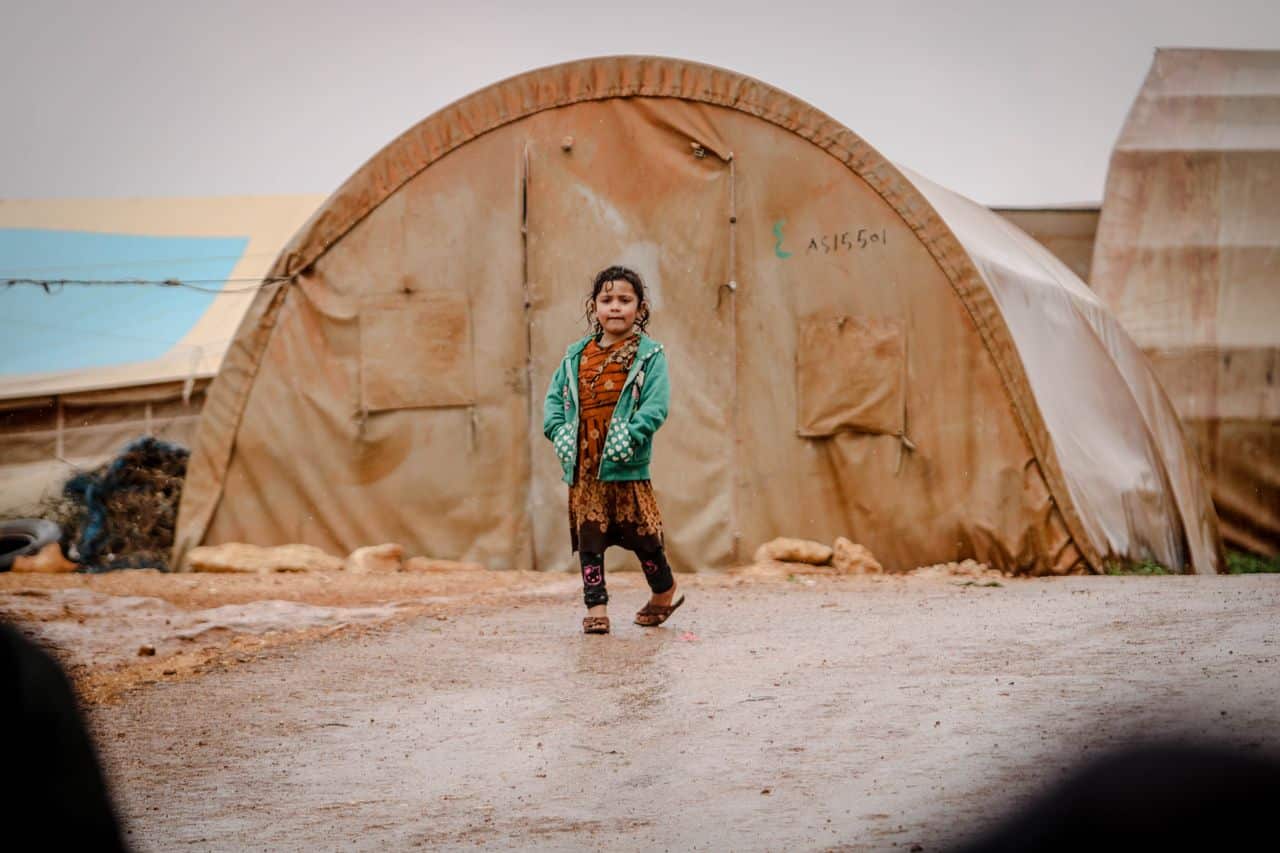
Refugee trauma persists well after physical safety is reached because the nervous system's threat-detection processes, rewired by cumulative displacement and violence, cannot distinguish objective safety from felt safety, and evidence-based therapies like trauma-focused CBT and narrative exposure therapy provide the structured clinical support needed for lasting recovery.
Reaching safety does not end refugee mental health trauma - it only changes the terrain. A visa stamp cannot tell your nervous system that danger is over. This article explains why displacement trauma persists long after physical safety is restored, and what genuinely supports healing.
The scale of the crisis: mental health conditions among refugees and asylum seekers
Refugee mental health and asylum seeker mental health are not niche concerns. They represent one of the most pressing public health challenges of our time. Across dozens of countries and conflict contexts, the data tells a consistent story: forced displacement causes profound psychological harm, and that harm persists long after physical safety is restored.
Meta-analytic research drawing on studies across multiple countries found PTSD prevalence of roughly 30.6% and depression prevalence of around 30.8% among conflict-affected and displaced populations. Those figures represent a starting point, not a ceiling. More recent research focused on specific populations shows even starker numbers: a study of adult Syrian refugees reported PTSD rates of 43% and depression rates of 40.9%, more than ten times the rates seen in general host-country populations. The disparity is not subtle. It reflects the cumulative weight of pre-migration violence, the trauma of flight, and the grinding uncertainty of resettlement.
Prevalence estimates also vary considerably across studies, and that variation matters. Differences in screening tools, refugee population characteristics, and country of resettlement all shape the numbers. Much of the existing research draws from camp settings, where access is easier but conditions are extreme. Community-settled refugees, who may be harder to reach, are underrepresented in the literature, which likely means current estimates are conservative.
Another limitation of the existing evidence base is its reliance on single-diagnosis framing. Many displaced people meet criteria for PTSD, depression, and anxiety disorders simultaneously. Treating these as separate, isolated conditions fails to capture the layered reality of what forced displacement does to a person’s mental and emotional life.
Stressors across the displacement experience: before, during, and after flight
Displacement trauma rarely begins with a single catastrophic moment. For most refugees and asylum seekers, adversity accumulates across three distinct phases: life before fleeing, the experience of flight itself, and the reality of arriving somewhere new. Understanding this three-phase model helps explain why safety, on its own, does not erase the weight of what came before, or what continues.
What happens before flight
For many people, the decision to flee follows months or years of sustained threat. War, persecution, torture, and the targeted destruction of communities leave deep psychological marks long before anyone crosses a border. Families lose members, livelihoods collapse, and the prolonged fear of violence becomes its own form of chronic stress. By the time someone begins the process of leaving, they may already be carrying significant psychological burden, including symptoms linked to traumatic disorders and anxiety.
What happens during flight
The flight itself introduces a second, often severe layer of adversity. Perilous routes across water, desert, or conflict zones expose people to life-threatening conditions. Exploitation, trafficking, and sexual violence are documented risks at this stage. Many people witness deaths, experience family separation, or spend time detained in transit countries with little legal protection. These experiences are not incidental to displacement — they are a core part of it.
What happens after arrival
Post-arrival life is frequently portrayed as the end of hardship, but the stressors that emerge after reaching a destination country are clinically significant in their own right. Uncertainty about asylum outcomes, periods of detention, unstable housing, social isolation, and discrimination create ongoing psychological pressure. Loss of professional identity, language barriers, and limited access to services compound this further. Research using an ecological model of refugee distress demonstrates that these post-arrival adversities independently drive mental health outcomes, separate from anything experienced before or during flight. A separate body of evidence confirms that post-migration stressors including discrimination and financial hardship independently predict PTSD and depression among resettled refugees.
This cumulative model matters because each phase compounds the last. Pre-migration trauma does not simply fade once someone arrives; it interacts with ongoing stressors to shape mental health in complex ways. Post-migration conditions are modifiable: unlike past events, they can be changed through policy, community support, and targeted intervention, making them among the most important targets for improving outcomes in this population.
Why safety does not end the trauma: the neuroscience of felt safety
Arriving in a safe country does not flip a switch in the brain. For refugees and asylum seekers, the nervous system does not read a visa stamp or a court ruling and conclude that danger is over. Understanding why requires looking at what the brain is actually doing beneath conscious awareness, and why that process is so resistant to logical reassurance.
Neuroception: your nervous system’s threat detector
The psychiatrist Stephen Porges coined the term neuroception to describe the nervous system’s continuous, unconscious scanning of the environment for signs of danger or safety. This process happens below the level of thought. You do not decide to feel threatened; your nervous system decides for you, drawing on a vast library of past experiences to interpret every cue around you. For someone who has survived war, persecution, or dangerous migration routes, that library is filled with signals that taught the body: strangers are unpredictable, authority figures are dangerous, uncertainty means threat. Arriving in a new country does not erase that library. It simply places the person in a new environment where the old rules are still running in the background.
This is the gap between objective safety, meaning legal status or the absence of active war, and felt safety, meaning the nervous system’s lived, moment-to-moment sense that it is safe to relax. For many refugees, objective safety arrives years before felt safety does, if it ever arrives at all.
How prolonged displacement rewires the nervous system
Polyvagal theory, also developed by Porges, describes three states the autonomic nervous system moves between. The first is the ventral vagal state, where social engagement is possible, the body is calm, and connection with others feels accessible. The second is the sympathetic state, the familiar fight-or-flight response, where the body mobilizes energy to deal with threat. The third is the dorsal vagal state, a shutdown or collapse response triggered when threat feels inescapable.
Years of displacement, violence, and chronic unpredictability can lock the nervous system into the sympathetic or dorsal vagal states as a default. The body stops treating these as emergency responses and starts treating them as normal operating conditions. Even in a physically safe environment, unfamiliar sounds, bureaucratic confrontations, or interactions with authority figures can trigger the same defensive cascades that kept a person alive during persecution.
Allostatic load and the cost of chronic stress
Prolonged activation of the stress response carries a biological price. The HPA axis (the hypothalamic-pituitary-adrenal axis, the system that regulates stress hormones) releases cortisol in response to threat. Short bursts of cortisol are adaptive. Months or years of elevated cortisol, the kind produced by chronic displacement, detention, and uncertainty, damages the very systems that regulate stress. This cumulative biological wear is called allostatic load.
The result is a nervous system that has lost some of its natural capacity to return to calm. The physiological infrastructure for feeling safe is itself impaired by the trauma that preceded safety.
Why asylum processes compound the problem
Asylum systems, despite their protective intent, often reproduce the exact conditions that prevent neurological recovery. Ongoing uncertainty about legal outcomes, power imbalances with caseworkers and officials, repeated requirements to retell traumatic experiences in detail, and the ever-present possibility of deportation all maintain the nervous system’s threat-detection systems at high alert. Objective safety and felt safety remain miles apart.
This is precisely why trauma-informed care focuses on creating the conditions for felt safety rather than assuming that geographic relocation is enough. Therapeutic and policy interventions that ignore trauma neuroscience risk asking people to heal in environments that are still, neurologically speaking, dangerous.
How host country systems can amplify trauma: institutional retraumatization
Arriving in a host country does not mean arriving somewhere safe from psychological harm. For many refugees and asylum seekers, the systems meant to process their protection claims introduce a new layer of damage. Asylum process trauma is not only something people carry with them across borders. It is something institutions can actively create, extend, and deepen.
The asylum interview as a retraumatization event
The asylum interview asks people to do something clinically harmful: recount, in precise detail, the worst experiences of their lives, to a skeptical audience with power over their future. Credibility assessments frequently penalize the very memory fragmentation that trauma produces, treating gaps or inconsistencies as signs of dishonesty rather than as recognized symptoms of PTSD. The power dynamic in these settings closely mirrors interrogation, with an authority figure probing for inconsistencies while the person being interviewed has almost no control over the outcome. For someone who has survived state violence, detention, or torture, this structure is not neutral. It repeats the conditions of the original harm.
Immigration detention and psychiatric harm
The evidence on immigration detention mental health outcomes is stark. A systematic review published in the British Journal of Psychiatry found elevated rates of depression, PTSD, self-harm, and suicidality among detained asylum seekers compared to those settled in the community, with psychiatric harm worsening the longer detention continued. Detention removes autonomy, imposes uncertainty about the future, and strips people of the social connections that buffer against mental illness. These are not side effects of a necessary process. They are measurable psychiatric outcomes produced by the detention environment itself.
Work prohibition, housing instability, and enforced dependency
Many host countries restrict asylum seekers from working while their claims are processed, sometimes for years. This is not simply an economic inconvenience. Losing the ability to work means losing professional identity, daily structure, and any sense of agency over one’s own life. These losses are well-documented drivers of depression and learned helplessness, a state in which a person stops trying to influence their circumstances because experience has taught them that effort changes nothing. Adjustment disorders are a clinically relevant outcome here, developing not from a single traumatic event but from the sustained, grinding stress of enforced dependency.
Forced dispersal and housing instability compound this further. When asylum seekers are relocated, often with little notice, they lose the emerging social networks and community ties they have begun to build. Those connections are among the most powerful protective factors against mental illness, and dispersal policies systematically destroy them. For children, the harm compounds across developmental stages, layering institutional disruption onto earlier experiences of childhood trauma in ways that shape long-term psychiatric risk.
The core paradox
The systems designed to determine whether someone deserves protection can themselves become sources of ongoing trauma. This is not an argument that protection claims should go unexamined. It is a clinical observation: the structure of these systems, as they currently operate, produces measurable psychiatric harm in the people they are meant to serve. Recognizing this is the first step toward designing processes that do not punish people for surviving.
Cultural dimensions of trauma and healing: beyond Western diagnostic frameworks
When a person who has survived war, persecution, or forced displacement seeks mental health support, the tools used to assess and treat them matter enormously. Diagnostic categories like PTSD, depression, and anxiety were developed within specific Western clinical contexts. They do not always translate cleanly across cultures, and research on culture-informed care frameworks makes clear that over-relying on these models can leave significant suffering unrecognized or misunderstood.
When distress speaks a different language
Cultural competence in refugee mental health starts with understanding idioms of distress, culturally specific ways that people express psychological suffering. A person from West Africa might describe their experience as “thinking too much.” Someone from Southeast Asia may focus on spiritual imbalance. A person from the Middle East might speak of a heavy heart rather than sadness. None of these expressions map neatly onto DSM or ICD diagnostic criteria, but each one is a real and meaningful signal of internal pain.