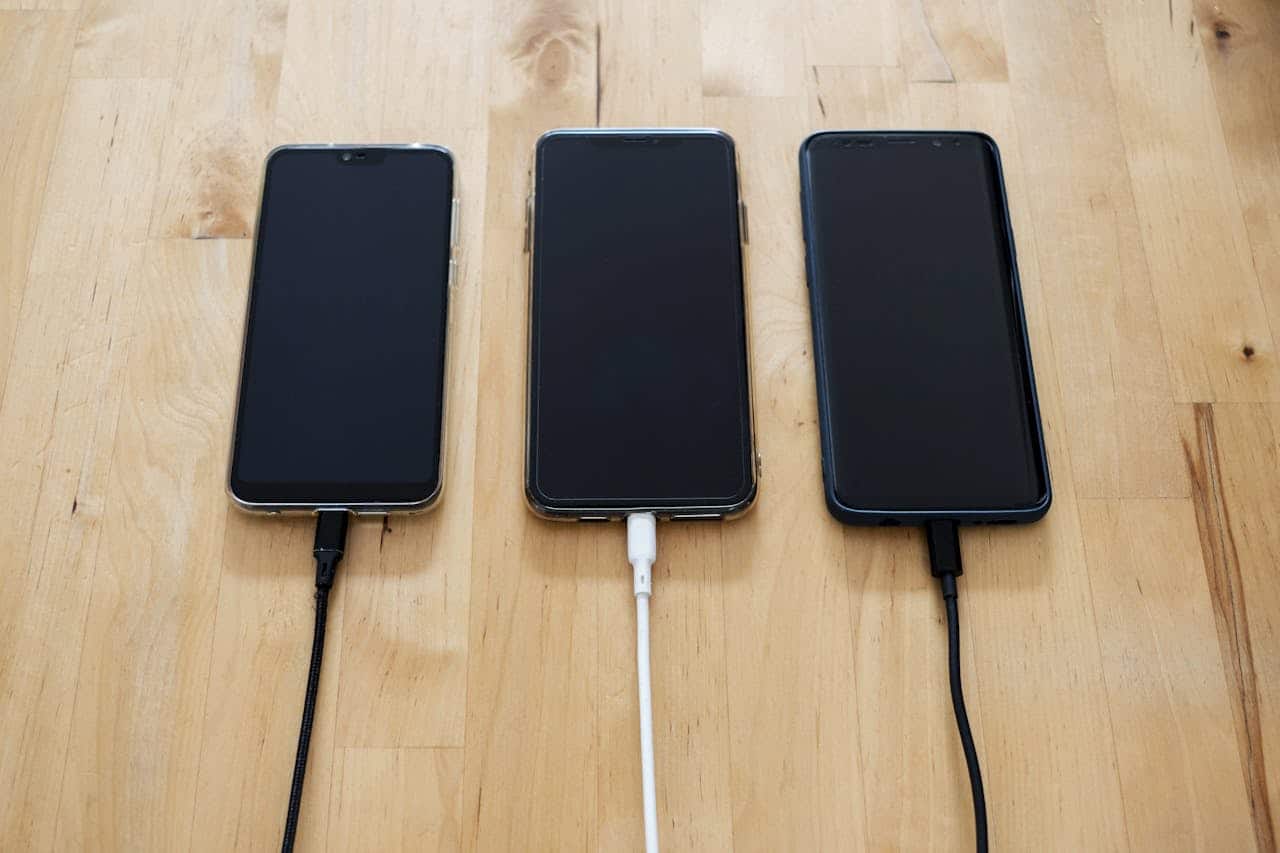
Social battery meaning refers to your finite energy capacity for social interactions before feeling depleted, with individual drain rates determined by personality type, sensory processing, and environmental factors that require personalized recharge strategies for sustainable social engagement.
Ever felt completely wiped out after a dinner party, even though you genuinely enjoyed yourself? That mysterious exhaustion has a name: your social battery running low. Understanding why some people drain faster than others can transform how you navigate relationships and protect your energy.
What is a social battery? Understanding the metaphor
You’ve probably had days when you felt completely wiped out after a party, work meeting, or even a casual lunch with friends. Not physically tired, but something deeper. That drained, overwhelmed feeling has a name: your social battery running low.
Your social battery refers to your finite capacity for social interaction before feeling depleted. Think of it like your phone’s charge. You start the day with a certain amount of energy available for connecting with others. Each conversation, each interaction, draws from that reserve. When it hits zero, you need time alone to recharge.
What makes this different from physical tiredness is how the energy gets used. Social interactions require constant cognitive and emotional processing. You’re reading facial expressions, choosing your words, managing impressions, and responding to others’ emotions. Your brain is working hard even when you’re just chatting about the weather. This mental effort adds up, especially during longer or more intense social situations.
The social battery metaphor has become popular because it validates something many people feel but struggle to explain. Needing alone time after socializing isn’t antisocial or rude. It’s a natural response to genuine energy expenditure. When you tell someone your social battery is drained, they usually get it immediately.
Everyone has a social battery, but no two batteries are alike. Some people have high-capacity batteries that can handle hours of networking without breaking a sweat. Others find their energy depleted after a single coffee date. The rate at which your battery drains depends on factors like personality, the type of interaction, your relationship with the people involved, and even how much sleep you got the night before.
Understanding your own social battery is the first step toward managing it effectively.
Introverts vs. extroverts: understanding your social energy type
Think of your social battery like a phone that charges in different ways depending on the model. Some people plug in by spending time alone. Others recharge by connecting with people. Understanding which type you are can help you stop fighting against your natural wiring and start working with it.
How introverts recharge
If you’re an introvert, social interactions draw from your energy reserves rather than filling them up. This doesn’t mean you dislike people or feel awkward in groups. It simply means that after a busy day of meetings, conversations, or social events, you need quiet time to restore what you’ve spent.
Introverts often process information deeply, which takes mental effort. A dinner party might leave you feeling satisfied but exhausted, even if you genuinely enjoyed every conversation. According to Cleveland Clinic’s breakdown of introverts and extroverts, these differences reflect how your brain responds to stimulation, not a flaw in your personality.
How extroverts recharge
Extroverts experience the opposite pattern. Social interaction actually fills their battery rather than draining it. If you’re an extrovert, too much solitude might leave you feeling restless, bored, or even low in mood. You likely think out loud, feel energized after group activities, and seek out connection when you’re stressed.
This doesn’t mean extroverts never need alone time. Everyone benefits from moments of quiet. Extroverts typically have a higher threshold before solitude starts feeling restorative and a lower threshold before it starts feeling isolating.
The ambivert middle ground
Many people don’t fit neatly into either category. Ambiverts fall somewhere in the middle of the spectrum, and their needs often shift based on context. You might crave company after a quiet week at home but desperately need solitude after a packed social weekend. Your current stress level, sleep quality, and emotional state all influence where you land on any given day.
Why this matters for your wellbeing
Neither personality type is superior. Problems arise when you try to operate like someone you’re not. Cultural expectations often celebrate extroverted traits like being outgoing, talkative, and always available. This can make people who are introverted feel like something is wrong with them when they need to decline invitations or leave events early.
Understanding your type isn’t about putting yourself in a box. It’s about recognizing your needs so you can meet them. For some people, social situations trigger more than just tiredness, and social anxiety can compound the drain on your energy. Knowing the difference between introversion and anxiety helps you respond appropriately to each.
Why does your social battery drain faster than others?
You’ve probably noticed it: some people can socialize for hours and still want more, while you’re ready to leave after thirty minutes. This isn’t a character flaw or something you need to fix. The speed at which your social battery depletes depends on a unique combination of internal wiring, environmental conditions, and life circumstances.
Internal factors that accelerate drain
Your brain’s baseline processing style plays a significant role in how quickly social interactions tire you out. People who tend toward introversion don’t just prefer less socializing; their brains actually process social information more deeply. Every conversation, facial expression, and social cue gets analyzed more thoroughly, which takes real mental energy.
Some people also experience heightened sensitivity to external stimuli, meaning sounds, lights, and the general buzz of social environments register more intensely. A crowded restaurant that feels energizing to one person can feel overwhelming to another, not because of preference, but because of genuine neurological differences in how sensory information gets processed.
Depth of processing matters too. If you’re someone who naturally reflects on conversations, considers multiple perspectives, or picks up on subtle emotional undercurrents, you’re doing more mental work than someone who engages more surface-level. This isn’t better or worse; it’s just more demanding.
External and environmental influences
Your surroundings dramatically affect how long your social battery lasts. Large groups drain most people faster than one-on-one conversations because of increased cognitive load: tracking multiple speakers, following shifting topics, and managing group dynamics all require significant mental resources.
Familiarity matters enormously. Time with close friends who know you well typically costs less energy than interactions with acquaintances or strangers. With people who truly get you, there’s less explaining, less filtering, and less uncertainty about how you’re being perceived.
Your current life circumstances also set the stage:
- Poor sleep leaves you with a smaller battery to begin with
- High stress levels mean you’re already running a deficit
- Periods of anxiety or low mood can make social situations feel more taxing
- Physical health issues drain the same energy reserves social interaction needs
The hidden cost of social performance
Perhaps the biggest drain most people don’t recognize is the energy spent performing rather than simply being. Social performance includes all the ways you modify yourself to fit expectations: adjusting your speech patterns, monitoring your expressions, suppressing certain thoughts or reactions, and presenting a curated version of yourself.
Code-switching, or shifting how you communicate based on your audience, requires constant mental effort. This is especially true for people who feel they need to hide parts of their identity or background in certain social contexts.
Past experiences shape this too. If you’ve faced social rejection, bullying, or trauma in relationships, your brain may stay on high alert during interactions. This learned hypervigilance, constantly scanning for signs of disapproval or danger, runs in the background and quietly depletes your reserves.
The more authentic you can be in a social situation, the less energy it typically requires. When you’re performing, you’re essentially running two processes at once: engaging in the interaction and monitoring your performance of it.
The 4 social drain types: discover your unique pattern
Not everyone’s social battery drains the same way. Some people leave parties exhausted from the noise, while others feel wiped out from navigating emotional conversations. Understanding how your energy depletes helps you protect it more effectively.
Think of these four drain types as different fuel leaks. Once you identify where your energy escapes fastest, you can address those specific factors rather than avoiding social situations entirely. Most people have a primary drain type that affects them most intensely, plus a secondary type that kicks in under certain conditions.
Sensory drain: when environments overwhelm
If you’ve ever felt exhausted after a crowded restaurant dinner despite enjoying the company, you might be a sensory drainer. Your social battery depletes through environmental factors: loud music, bright lights, overlapping conversations, temperature extremes, or physical proximity to others.
Sensory drainers often do well in one-on-one settings but struggle in busy venues. The issue isn’t the people themselves; it’s everything happening around them. You might notice you can talk for hours in a quiet coffee shop but feel drained after thirty minutes at a bustling networking event.
Targeted strategies include choosing quieter venues, positioning yourself away from speakers or high-traffic areas, and taking brief sensory breaks in bathrooms or outdoor spaces.
Cognitive drain: when conversations exhaust
Cognitive drainers feel depleted by the mental work of social interaction. Small talk requires effort. Tracking multiple conversation threads taxes your working memory. Meeting new people means processing and storing fresh information about names, faces, and personal details.
You might thrive in deep conversations with close friends but feel mentally foggy after events where you bounced between many surface-level chats. Group settings with multiple simultaneous discussions can feel particularly taxing.
Cognitive drainers benefit from limiting the number of new people they meet at once, scheduling recovery time after mentally demanding social events, and gravitating toward meaningful conversations over rapid-fire mingling.
Emotional drain: when feelings deplete
Emotional drainers absorb the feelings of people around them. If a friend vents about their stressful week, you don’t just hear about it; you feel it. Conflict is particularly exhausting, even when you’re not directly involved. Providing emotional support to others, while meaningful, costs you significant energy.
This drain type is common among highly empathetic people. You might feel wonderful during a supportive conversation with a struggling friend, then notice hours later that you’re completely wiped out.
Protective strategies include setting gentle boundaries around how much emotional support you provide in one sitting, balancing heavy conversations with lighter interactions, and developing practices that help you release absorbed emotions.
Performance drain: when masking takes its toll
Performance drainers expend energy maintaining a social persona that differs from their authentic self. This includes code-switching between different social groups, suppressing natural behaviors to fit in, or carefully monitoring how you come across to others.
This type particularly affects people who feel they need to hide aspects of their identity, personality, or neurodivergence in certain settings. Professional environments often trigger performance drain when they require a polished, filtered version of yourself.
You might notice you feel energized around people who accept you fully but exhausted after interactions where you carefully curate your words and behaviors. Reducing performance drain often means gradually expanding the spaces where you can show up authentically.
Identifying your primary and secondary drain types transforms how you approach social planning. Instead of generic advice about needing alone time, you can target the specific factors that deplete you most.
Signs your social battery is running low
Your body and mind send signals when social energy is depleting. Learning to recognize these signs early can help you take breaks before you hit complete exhaustion. Think of it like noticing your phone at 20% battery: you still have time to find a charger before it dies.
Physical signs
Your body often registers social fatigue before your conscious mind does. You might notice increasing tension in your shoulders, neck, or jaw. Headaches can creep in, especially during longer social events. Some people experience a heavy, dragging fatigue that makes even standing feel like effort. You may find yourself avoiding eye contact or physically turning away from conversations, as if your body is trying to create distance even when you can’t leave yet.
Emotional signs
Emotional shifts are another clear indicator. Small things that wouldn’t normally bother you suddenly feel irritating. You might feel emotionally numb or disconnected, like you’re watching the interaction from outside yourself. A strong urge to escape, even from people you genuinely like, often signals depletion. These physical and emotional stress symptoms are your nervous system’s way of asking for a break.
Cognitive signs
Mentally, a drained social battery shows up as brain fog. Following conversations becomes harder. You might lose track of what someone just said or struggle to form responses. Decision fatigue sets in, making even simple choices feel overwhelming.
Behavioral signs
Watch for changes in how you’re acting. One-word answers replace your usual engaged responses. You check your phone constantly, not because anything urgent is happening, but because it offers a mental escape. You might physically withdraw by stepping back, crossing your arms, or finding reasons to leave the room.
Early warnings vs. crisis-level depletion
There’s a significant difference between early warning signs and crisis-level depletion. Early signs include mild fatigue, slightly shorter responses, and a quiet wish for alone time. Crisis-level depletion looks more intense: complete shutdown, inability to speak, tears, or snapping at people you care about. Catching the early signals gives you options. Waiting until you’re completely empty often means you need much longer to recover.
Neurodivergent social batteries: ADHD, autism, and HSP
If you’ve ever felt completely wiped out after social interactions that others seem to handle effortlessly, your brain might simply be working harder than theirs. For neurodivergent individuals, social situations often require significantly more cognitive and emotional labor. Understanding why this happens can help you stop blaming yourself and start building recharge strategies that actually work.
Why masking drains your battery faster
Masking refers to the conscious or unconscious effort to hide neurodivergent traits and appear more neurotypical in social settings. This might look like forcing yourself to maintain eye contact, suppressing the urge to stim, carefully monitoring your tone of voice, or rehearsing responses before speaking them.
Think of masking like running two programs simultaneously on your computer. While neurotypical individuals are simply having a conversation, you’re having that same conversation while also monitoring your body language, filtering your natural responses, and performing social scripts you’ve memorized over years of practice. This dual processing drains your social battery at roughly twice the speed.
Research shows that autistic individuals face unique social challenges that can increase vulnerability to social anxiety, making social interactions even more taxing. The energy spent masking leaves less available for the actual content of conversations, which explains why you might feel exhausted even after interactions that went well.
Autistic burnout vs. low social battery
A depleted social battery and autistic burnout might seem similar on the surface, but they’re fundamentally different experiences. Low social battery typically recovers within hours or a day of solitude. Autistic burnout can last weeks, months, or even years.
Autistic burnout results from prolonged masking, sensory overload, and the cumulative stress of navigating a world not designed for autistic minds. Symptoms extend beyond tiredness to include loss of skills you previously had, increased sensitivity to sensory input, difficulty with basic self-care, and sometimes a complete inability to mask at all.
Recognizing the difference matters because the solutions differ too. A low social battery needs rest. Autistic burnout requires significant life changes: reducing masking demands, creating sensory-friendly environments, and often scaling back commitments for an extended period.