ReachLink is now hiring licensed therapists. Apply to join the current cohort before July 31. Apply now →

Why You Feel Wired at Night When You Are Exhausted

Sleep DisordersJuly 21, 202619 min read
Why You Feel Wired at Night When You Are Exhausted

Feeling tired but wired at night is a physiological nervous system conflict, not a willpower failure, where HPA axis dysregulation elevates cortisol and suppresses melatonin, keeping the brain locked in hyperarousal, a pattern that evidence-based therapeutic approaches including cognitive behavioral therapy, somatic therapy, and EMDR are specifically designed to address.

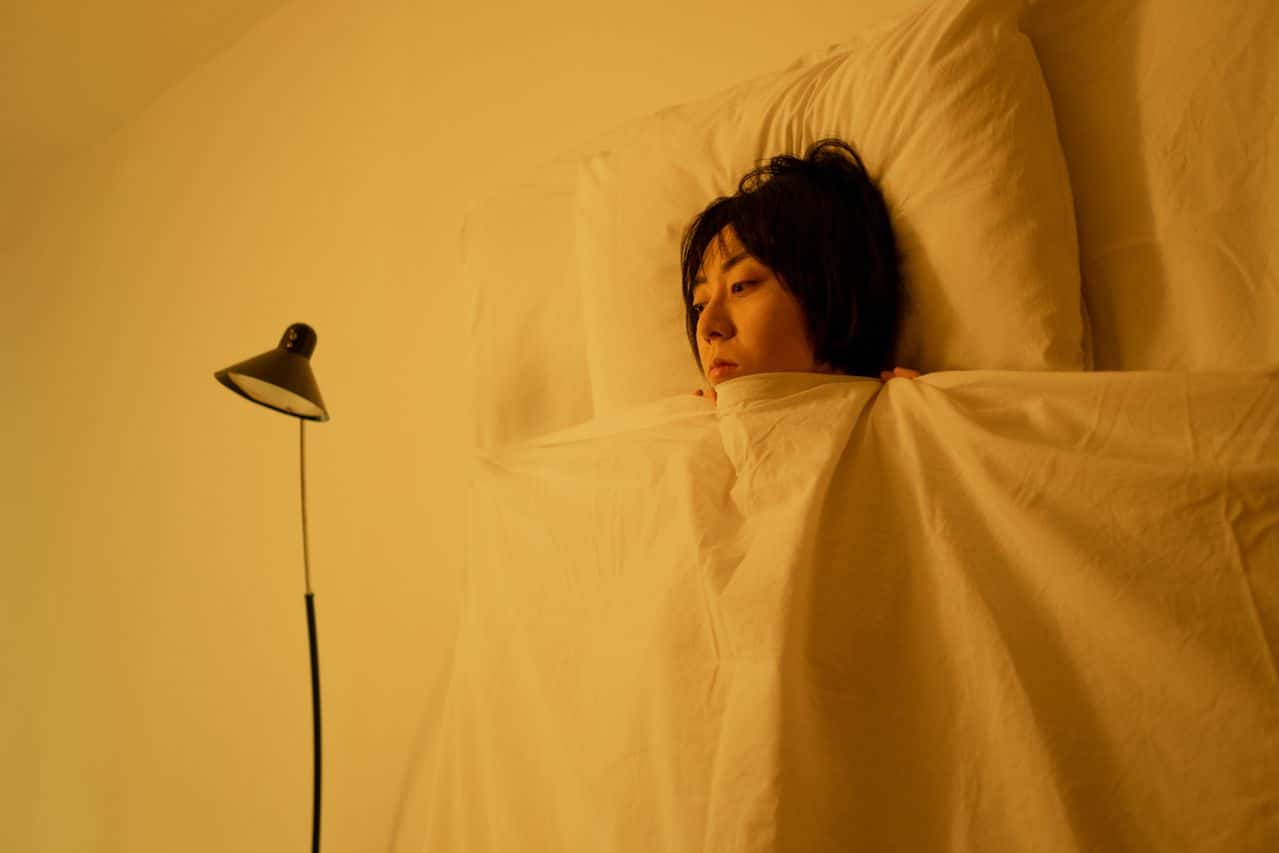
Lying awake exhausted but unable to sleep is not a willpower problem. The tired but wired feeling is a real physiological conflict inside your nervous system, where your body is desperate for rest but your built-in alarm system simply won't stand down. Understanding why changes everything about how you approach it.

What ‘Tired but Wired’ Actually Means (and Why It’s a Nervous System Problem, Not a Willpower Problem)

You know the feeling: your body is heavy, your eyes are burning, and you’ve been exhausted since mid-afternoon. But the moment your head hits the pillow, your mind switches on. Thoughts race. Your chest feels oddly tight. Sleep, despite everything, refuses to come. This is the tired-but-wired state, and it is one of the most frustrating and misunderstood sleep experiences there is.

The first thing worth knowing is that this is not a willpower problem. You are not failing to relax because you’re doing something wrong or thinking too hard about sleep. What’s actually happening is a physiological conflict inside your nervous system, one that has nothing to do with effort or discipline.

To understand why, it helps to know that sleepiness and arousal are two completely separate systems in your body. Sleepiness is driven by adenosine, a chemical that builds up in your brain the longer you stay awake and creates what researchers call sleep pressure. Arousal, on the other hand, is controlled by your sympathetic nervous system, the same system that activates when you sense danger. These two systems can run at the same time, pulling in opposite directions. High adenosine tells your body it needs sleep. A fired-up sympathetic nervous system tells your body it is not safe to sleep. The result is exhaustion with no off switch.

This is not traditional insomnia, where the primary issue is difficulty sleeping on its own. The tired-but-wired experience is specifically a sign of a dysregulated nervous system that cannot downshift out of threat-detection mode, even when the threat is just your to-do list or a difficult conversation from earlier in the day.

The autonomic nervous system, the HPA axis (your body’s hormonal stress-response network), and the timing of cortisol all converge to produce this paradox. As a presentation of chronic stress, it is far more common than most people realize. If this sounds familiar, you are not broken. Your nervous system is doing exactly what it was designed to do, just at the wrong time.

The Autonomic Ladder: Why You Can Be Exhausted and Hyperalert at the Same Time

Your nervous system does not simply switch between “on” and “off.” It cycles through three distinct states, and understanding those states is the key to understanding why your body can feel completely depleted and completely wired at the exact same moment.

Ventral Vagal, Sympathetic, and Dorsal Vagal: Three States Your Nervous System Cycles Through

Polyvagal theory, developed by neuroscientist Stephen Porges, describes the autonomic nervous system as a hierarchy of three states. At the top sits the ventral vagal state: a regulated, socially engaged mode where you feel safe, calm, and connected. Below that is the sympathetic state: the classic fight-or-flight response, where your body mobilizes energy to face or escape a threat. At the bottom is the dorsal vagal state: a freeze or shutdown mode that conserves energy when a threat feels inescapable, leaving you feeling numb, heavy, and disconnected.

Think of these three states as rungs on a ladder. When your environment offers enough safety cues, you stay near the top. When those cues disappear, your nervous system descends, first into sympathetic activation, then, if the threat persists, into dorsal shutdown. Nervous system dysregulation happens when this ladder gets stuck and the natural return to safety is blocked.

The Tired-but-Wired Overlap Zone: What Polyvagal Co-Activation Feels Like in Your Body

The nervous system does not always land cleanly on one rung. For many people at night, dorsal vagal fatigue and sympathetic hypervigilance fire at the same time. Your body has run out of fuel and is signaling collapse, but the alarm system is still blaring. The result is a co-activation state: a body that desperately wants to shut down but a brain that refuses to stop scanning for danger.

Physically, this overlap zone can feel like lead-heavy limbs paired with a racing mind, or deep physical exhaustion alongside a chest that feels tight and alert. It is not a malfunction. It is your nervous system doing exactly what it was designed to do, just without an off switch. This pattern is closely related to anxiety and nervous system hyperarousal, where the threat-detection system stays active long after the actual stressor has passed.

Self-Assessment: Which Nervous System State Are You Stuck in at Night?

Read through the statements below and notice which ones feel most familiar at bedtime or during the night.

Sympathetic-dominant (fight-or-flight activated):

  • Your heart races or pounds when you lie down
  • You feel physically warm or hot even in a cool room
  • Your mind replays conversations, worries, or to-do lists on a loop
  • You startle easily at small sounds

Dorsal-dominant (shutdown activated):

  • Your body feels heavy or impossible to move, but sleep won’t come
  • You feel emotionally numb or detached from your surroundings
  • You stare at the ceiling feeling blank rather than anxious
  • Getting up to do anything feels completely out of reach

Mixed state (co-activation):

  • Your body is exhausted but your mind is fully awake and alert
  • You feel both restless and too tired to do anything about it

Whichever pattern you recognize matters, because the path forward differs for each. Sympathetic dominance responds well to calming, downregulating practices. Dorsal dominance often needs gentle, low-demand activation to bring the system back online. Mixed states call for a sequenced approach: softening the alarm first, then slowly rebuilding a sense of safety.

If this self-assessment reveals a pattern you’d like to explore further, ReachLink’s free mood tracker and journaling tools can help you notice your nervous system patterns over time. You can try the app at your own pace, with no commitment required.

The Stress-Cortisol-Melatonin Chain: How Your HPA Axis Keeps You Alert After Dark

Your body has a built-in stress command center called the HPA axis (hypothalamic-pituitary-adrenal axis). When your brain perceives a threat, real or imagined, this system triggers your adrenal glands to release cortisol, your primary stress hormone. Under normal circumstances, this is a finely tuned process that follows a predictable daily rhythm.

On a healthy day, cortisol peaks sharply within 30 to 45 minutes of waking, a phenomenon called the cortisol awakening response. This surge is what gets you out of bed and mentally sharp. From there, cortisol gradually tapers through the afternoon and reaches its lowest point around midnight. That natural decline is essential, because cortisol and melatonin work like a seesaw: as one rises, the other falls. When cortisol drops in the evening, your pineal gland gets the green light to release melatonin, the hormone that signals your brain it is time to sleep.

Chronic stress throws this seesaw off balance. When your HPA axis is stuck in high gear, cortisol stays elevated well into the evening, or it spikes again at night in response to accumulated stress. That elevated cortisol actively suppresses melatonin production. So even when your body has built up significant sleep pressure through a full day of being awake, the hormonal signal to actually fall asleep never arrives clearly. You feel the weight of exhaustion, but your brain remains alert. That is the tired-but-wired state in its most literal, biological form.

You may have heard this pattern described as “adrenal fatigue,” but that term is misleading. The Endocrine Society confirms adrenal fatigue is not a recognized medical diagnosis, and a systematic review found no scientific basis for the concept. Your adrenal glands are not failing or burned out. The more accurate picture is HPA axis dysregulation: the signaling system that governs cortisol release has become miscalibrated. The glands are responding exactly as instructed, but the instructions themselves are out of sync with the time of day.

The 3-Stage HPA Axis Dysfunction Model: Where You Are on the Dysregulation Spectrum

Not everyone who feels tired but wired is in the same place physiologically. HPA axis dysfunction tends to unfold in a predictable progression, and understanding where you fall on that spectrum changes what kind of support is most likely to help. The three-stage model below is a clinical teaching framework, not a formal medical diagnosis. Think of it as a map for contextualizing your own experience and having more informed conversations with your doctor or therapist.

A useful tool for placing yourself on this spectrum is a 4-point salivary cortisol test, which measures cortisol at four key moments: waking, noon, evening, and bedtime. That pattern, called the cortisol curve, reveals whether your stress hormone is rising and falling at the right times or misfiring in ways that disrupt your sleep and energy.

Stage 1: The Alarm Phase — High Cortisol and Nighttime Hyperarousal

This stage typically follows a recent or acute stressor, whether that’s a demanding work period, a relationship conflict, or a health scare. Your body has activated its stress response, and cortisol output is genuinely elevated. The cortisol curve at this stage shows high evening values alongside a still-intact morning peak.

Common symptoms include difficulty falling asleep, racing or looping thoughts at night, a “buzzy” physical feeling in your body, and a resting heart rate that stays elevated into the evening. Stage 1 is the most responsive to lifestyle interventions like sleep hygiene adjustments, breathwork, and stress reduction practices. Chronic stress and HPA axis activation explains why catching this stage early matters so much.

Stage 2: The Resistance Phase — Flattened Cortisol and the 3 AM Wake-Up

When stress stretches on for months, the body stops treating it as an emergency and starts adapting, but not in a healthy way. The cortisol curve begins to flatten: the morning peak blunts, and evening values stay elevated or become erratic. Your system is no longer surging, but it isn’t recovering either.

This is the stage most associated with waking between 2 and 4 AM, often with a jolt of anxiety and no clear reason. You may feel simultaneously tired and wired throughout the day, experience a noticeable afternoon energy crash, and then get a frustrating second wind right when you should be winding down. Stage 2 typically requires more structured intervention, including consistent sleep scheduling, nervous system regulation strategies, and often professional support.

Stage 3: The Exhaustion Phase — When Tired but Wired Becomes Tired and Empty

Prolonged HPA axis dysfunction can eventually lead to overall low cortisol output. The system that once overproduced has been running on fumes for so long that it can no longer sustain even its dysregulated baseline. What makes this stage particularly confusing is the paradox at its center: cortisol is generally low, but unpredictable spikes still occur, creating intermittent wired episodes within a landscape of deep fatigue.

The tired-but-wired feeling characteristic of earlier stages may shift into something that feels more like “tired and empty,” a profound exhaustion that persists even after a full night of sleep, alongside emotional numbness and heightened sensory sensitivity. This stage warrants a thorough evaluation with a healthcare provider, as the symptom profile overlaps with several other conditions that deserve proper assessment.

Whichever stage resonates with you, naming it is a starting point, not a verdict. These patterns are not permanent, and understanding your cortisol curve gives you something concrete to work with.

Signs and Symptoms Your Nervous System Is Dysregulated at Night

Nervous system dysregulation symptoms don’t always look the way you’d expect. You might not feel anxious in the traditional sense. Instead, you feel a strange, restless alertness that makes no sense given how exhausted you are. Recognizing these signs is the first step toward understanding why you can’t sleep even when tired.

Physical Signs

Your body often speaks first. Common physical signals include:

  • Elevated resting heart rate when you lie down, as if your body is still bracing for something
  • Muscle tension that won’t release, particularly in the jaw, shoulders, and diaphragm
  • Feeling hot or flushed without a clear reason, even in a cool room
  • Restless legs or full-body restlessness, an urge to move that makes stillness feel impossible
  • Shallow chest breathing instead of slow, deep belly breathing

Cognitive Signs

Your mind can be just as loud as your body. Watch for:

  • Racing or looping thoughts that replay conversations, decisions, or tomorrow’s to-do list
  • Hypervigilance, meaning your brain keeps scanning for problems or threats even in a safe environment
  • A paradoxical surge of creative or problem-solving ideas right at bedtime, when your guard drops enough for them to surface
  • A persistent inability to mentally switch off, no matter how hard you try

Emotional Signs

Some of the subtler nervous system dysregulation symptoms show up emotionally. You might notice a vague sense of dread or free-floating anxiety with no identifiable cause. Irritability that peaks in the evening is another common signal, as is feeling suddenly overwhelmed by ordinary stimuli like background noise, bright screens, or even the texture of your sheets.

Curious about something here?

Ask your favorite AI about this article

Sleep-Specific Signs

  • Taking 45 minutes or longer to fall asleep despite feeling deeply exhausted
  • Waking frequently between 2 and 4 AM, when a natural cortisol spike can jolt an already dysregulated system awake
  • Rising unrefreshed no matter how many hours you logged
  • Vivid, unsettling, or emotionally exhausting dreams

The Pattern Worth Noticing

Pay attention to when these symptoms cluster. They tend to intensify on Sunday nights, after high-demand workdays, or during stretches when you’ve been pushing emotions aside. The nervous system doesn’t process stress in real time when you’re busy surviving it. It catches up the moment external demands finally drop, and for most people, that moment is bedtime.

How the Tired-but-Wired Cycle Degrades Your Sleep Architecture

Even when exhaustion finally wins and you drift off, the damage isn’t done. A dysregulated nervous system doesn’t just delay sleep, it quietly distorts the structure of sleep itself, leaving you less restored than your hours in bed suggest.

Healthy sleep cycles through four distinct stages across the night: N1 (light sleep), N2 (intermediate sleep), N3 (deep, slow-wave sleep), and REM (rapid eye movement) sleep. Your brain repeats this cycle roughly every 90 minutes. Each stage serves a specific purpose, and the balance between them matters enormously.

When your sympathetic nervous system is still dominant at sleep onset, your brain struggles to descend into the deeper stages. Instead, it lingers in N1 and N2, the lighter stages where a sound, a thought, or a slight temperature change can pull you back to wakefulness. N3, the deep sleep stage where your body repairs tissue, consolidates memories, and strengthens immune function, gets cut short. You may technically sleep for seven or eight hours and still wake feeling like you barely rested.

Elevated cortisol creates a separate problem for REM sleep. High cortisol in the first half of the night suppresses REM, pushing it toward the early morning hours. This matters because REM is when your brain processes emotional experiences and regulates mood. When REM clusters in light morning sleep, you’re more likely to experience vivid, anxious dreams and wake feeling emotionally raw rather than refreshed.

The most frustrating part is how self-reinforcing this becomes. Poor sleep architecture leaves your stress response more reactive the next day, which means your nervous system arrives at bedtime even more wound up than the night before. The cycle compounds quietly, night after night, until the gap between hours slept and restoration felt becomes impossible to ignore.

Breaking the Tired-but-Wired Cycle: A Staged Recovery Protocol

Not all nervous system dysregulation is the same, and that means not all interventions are equal. Matching your approach to how long you’ve been symptomatic prevents two common mistakes: under-treating a deeply entrenched pattern with surface-level fixes, or over-pathologizing an acute stress response that needs only basic recalibration. Think of these stages as a spectrum, not a rigid diagnosis.

Stage 1 Protocol: Circadian Anchoring and Breathing for Acute Dysregulation

Best for: symptoms lasting 0 to 8 weeks

At this stage, your nervous system is in an alarm phase and often responds well to lifestyle resets. Start with circadian anchoring: wake at the same time every day, get outside for natural light within 30 minutes of waking, and reduce bright and blue light exposure in the evening. These cues help your body re-establish the cortisol rhythm that governs alertness and sleep pressure.

Before bed, practice the physiological sigh: a double inhale through the nose followed by a long, slow exhale through the mouth. This activates the vagal brake, shifting your autonomic state away from sympathetic overdrive. Cut caffeine after noon as well. Because caffeine has an average half-life of approximately 5 hours, a 2 PM coffee still has meaningful stimulant activity in your system at 7 PM, keeping sympathetic arousal elevated exactly when you need it to fall.

Stage 2 Protocol: Vagal Toning, Supplementation, and Structured Wind-Down

Best for: symptoms lasting 3 to 12 months

At this stage, the body has shifted into a resistance phase, and basic sleep hygiene alone is usually not enough. Structured vagal toning practices become important here. Cold water face immersion, humming or chanting, and gentle movement like yoga or walking all stimulate the vagus nerve and support nervous system regulation over time.

This is also a stage where certain supplement categories are worth understanding at a mechanism level. Magnesium, for example, supports GABA activity, the brain’s primary calming neurotransmitter. This role is grounded in magnesium’s role in nerve function and over 300 enzyme systems as documented by the NIH. Adaptogens and L-theanine are also discussed in the research for their HPA axis effects, though specific dosing should always be guided by a qualified provider. Pair any supplementation with a consistent wind-down protocol starting 90 minutes before bed: dim lights, no screens, and a predictable sequence your nervous system learns to associate with safety.

Stage 3 Protocol: When Professional Support Becomes Necessary

Best for: symptoms lasting 12 or more months, or patterns tied to trauma

When dysregulation has persisted for over a year, or when the tired-but-wired pattern feels connected to past stress, grief, or trauma, lifestyle changes alone are typically insufficient. The nervous system has learned this state, and that learning runs deeper than breathing exercises can reach. At this stage, professional support is not a last resort. It is the appropriately matched intervention.

Somatic therapy, EMDR, and trauma-informed cognitive behavioral therapy (CBT) are all approaches designed to work with the nervous system patterns maintaining the cycle, not just the surface symptoms. A medical evaluation is also worth considering to rule out thyroid dysfunction, iron deficiency, or hormonal contributors that can mimic or worsen nervous system exhaustion.

If your tired-but-wired pattern has persisted for months or feels connected to past stress or trauma, working with a therapist who understands nervous system regulation can help. You can connect with a licensed therapist through ReachLink to explore whether professional support fits your situation, with no commitment and no pressure.

One final note across all three stages: recovery is nonlinear. You may move from Stage 2 back toward Stage 1 symptoms during a stressful period, then stabilize again. That fluctuation is a normal part of nervous system recalibration, not a sign that something has gone wrong.

When to See a Doctor: Medical Conditions That Can Mimic Nervous System Dysregulation

Not every case of tired-but-wired sleep is rooted in stress or nervous system dysregulation. Several medical conditions share nearly identical symptoms, and getting the right diagnosis matters. If self-regulation strategies aren’t moving the needle after a few weeks, a conversation with your doctor is a smart next step.

These are the conditions most worth ruling out:

  • Thyroid dysfunction: An overactive thyroid can cause a racing heart, heat intolerance, anxiety, and disrupted sleep. Distinguishing clues include unexplained weight changes, hand tremors, or changes around the eyes. Ask your doctor about TSH, free T3, and free T4 testing.
  • Iron deficiency and anemia: Low iron often shows up as fatigue, restless legs, and poor sleep quality. Watch for shortness of breath during light activity, pale inner eyelids, or cravings for ice. A ferritin level, CBC, and iron panel can clarify the picture.
  • Sleep apnea: This common but underdiagnosed condition causes unrefreshing sleep, nighttime awakenings, and crushing daytime exhaustion. Snoring, gasping during sleep, and morning headaches are key signs. A home sleep study or polysomnography can confirm it. Sleep disorders like sleep apnea often need targeted treatment beyond nervous system work alone.
  • ADHD in adults: Racing thoughts at night, difficulty turning the brain off, and emotional dysregulation overlap heavily with nervous system dysregulation. A lifelong pattern of inattention and executive function struggles during the day points toward ADHD. A structured clinical evaluation is the appropriate next step.
  • Perimenopause and hormonal shifts: Night sweats, disrupted sleep, anxiety, and fatigue are hallmarks of perimenopause, typically appearing in the 40s alongside cycle changes and hot flashes. FSH, estradiol, and progesterone testing can help clarify what’s driving symptoms.

Seek prompt medical attention if you experience chest pain or palpitations, significant unexplained weight loss, a persistent low-grade fever, or any new neurological symptoms. These red flags go beyond what nervous system regulation techniques or cognitive behavioral therapy for insomnia can address on their own.

What You Are Feeling at Night Has a Real Explanation

If you have spent nights lying there exhausted but unable to stop, you now know that was never a character flaw or a failure to relax hard enough. Your nervous system was doing exactly what stress had trained it to do, just at the wrong hour. Understanding why you feel tired but wired at night, and what a dysregulated nervous system does to your sleep, is not a small thing. It changes the way you relate to those restless hours and opens up a more honest conversation about what your body actually needs.

Wherever you are on that spectrum, whether you are in the early weeks of a stressful stretch or you have been running on empty for longer than you can remember, you do not have to piece this together alone. If working with someone who understands nervous system regulation feels like the right next step, you can explore therapy through ReachLink at your own pace, free to try, with no commitment required.


FAQ

  • Why do I feel completely exhausted all day but then suddenly wide awake the moment I try to sleep?

    The "tired but wired" feeling happens when your body gets stuck in a state of chronic stress or nervous system hyperarousal, even when you are physically drained. Throughout the day, high demands keep stress hormones like cortisol elevated, and by bedtime your body hasn't had the chance to shift into a calm, sleep-ready state. This mismatch between physical exhaustion and mental alertness is a real and recognizable pattern, not just a quirk of your personality. Understanding this cycle is the first step toward addressing the root causes rather than just the sleeplessness itself.

  • Can therapy actually help me sleep better, or is it mostly just for anxiety and depression?

    Therapy, particularly Cognitive Behavioral Therapy for Insomnia (CBT-I), is one of the most well-researched, evidence-based approaches for sleep difficulties and is widely recommended as a first-line treatment. A licensed therapist can help you identify the thought patterns, stress responses, and nighttime habits that are keeping your nervous system activated when it should be winding down. Therapy also addresses the underlying anxiety or emotional tension that frequently drives the tired-but-wired cycle. Many people find that tackling sleep through a therapeutic lens produces more lasting results because it targets root causes rather than just symptoms.

  • Could feeling wired at night actually be a sign of anxiety, even if I don't feel anxious during the day?

    Yes - many people experience anxiety in physical or behavioral ways without recognizing it as anxiety in the moment. Daytime busyness can mask underlying nervous system arousal, and when the distractions fall away at bedtime, the hyperactivation that was there all along becomes impossible to ignore. This pattern, sometimes called high-functioning anxiety, means you may feel productive and composed during the day but find your mind racing or your body restless the moment you try to rest. If nighttime is when your stress consistently surfaces, it may be worth exploring with a licensed therapist who can help you connect those dots.

  • I think I'm finally ready to talk to someone about my sleep and stress issues - how do I actually get started?

    Taking the step to talk to a therapist about sleep-related stress or anxiety is a meaningful move, and finding the right fit makes a real difference. ReachLink connects people with licensed therapists through human care coordinators, not an algorithm, which means a real person helps match you based on your specific needs and preferences. You can start with a free assessment that gives the care team a clear picture of what you're experiencing and what kind of support would be most helpful. From there, you'll be matched with a licensed therapist who can work with you using approaches like CBT-I, CBT, or other evidence-based methods tailored to your situation.

  • Why does my mind start racing with thoughts and to-do lists the moment I get into bed?

    The brain often uses quiet moments, like lying in bed, to process everything it set aside during a busy day, which can trigger a flood of thoughts, worries, or mental planning right when you want to wind down. This is partly a conditioned response - if your bed has become associated with thinking rather than sleeping, your brain learns to activate in that environment rather than relax. It can also reflect an underlying pattern of unprocessed stress or anxiety that doesn't have an outlet during the day. Therapeutic techniques like stimulus control, relaxation training, and thought-defusion exercises can help break this cycle and retrain your brain to associate bedtime with rest.

Have a question about this topic?

Type your question and we'll send it to the AI assistant of your choice.

Your question will be sent to an external AI assistant. If you're going through a crisis, please reach out to the 988 Suicide and Crisis Lifeline (call or text 988).

Share this article
Take the First Step

Get Real Support.
See Real Results.

Join thousands who have found specialized therapy that truly understands their health journey. Start today — it takes less than 5 minutes.

No referral needed · Most insurance accepted · Start within 48 hours