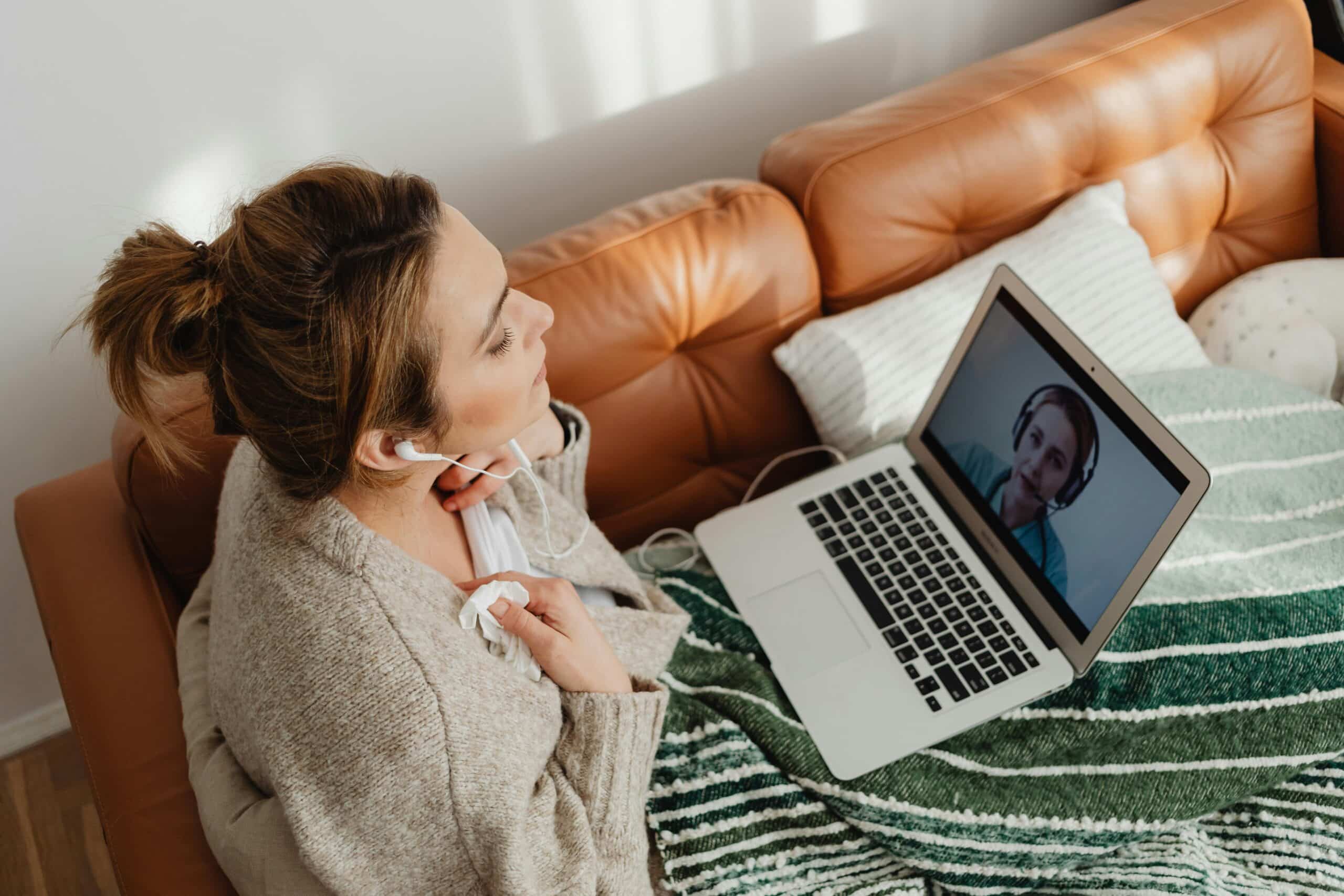
Virtual therapy delivers evidence-based mental health treatment through secure video platforms with licensed clinical social workers, offering convenient access to specialized care while maintaining therapeutic effectiveness comparable to traditional in-person sessions.
Struggling to find time for therapy or feeling anxious about in-person sessions? Virtual therapy breaks down traditional barriers to mental health care, but understanding both its powerful benefits and practical limitations will help you make the best choice for your healing journey.
Virtual Therapy Sessions: Advantages and Considerations
Content Warning:
Please be advised, the below article might mention trauma-related topics that could be triggering to the reader. If you’re experiencing a mental health crisis, please contact emergency services or visit our website for immediate resources.
Virtual therapy sessions can be a valuable alternative when traditional in-person therapy isn’t accessible or practical. Even if you have access to local mental health services, you might choose telehealth options if you’re uncomfortable with face-to-face interactions or prefer the convenience of remote sessions. Perhaps you’ve relocated to a new area and haven’t found a local provider yet. Some individuals may also opt for virtual therapy when they experience social anxiety or have mobility limitations. Whatever your circumstances, online therapy can provide a convenient and effective way to receive mental health support.
People have used technology for decades to access healthcare services. However, video-based therapy remains one of the most effective telehealth approaches, offering clients the opportunity to see their therapist in real-time, creating an experience similar to being in the same room.
With virtual therapy, you may connect with licensed clinical social workers who specialize in your specific concerns, develop a therapeutic relationship, and address your mental health needs from the comfort of your own space. You might need to speak with several providers before finding someone you feel comfortable with, which is normal in the therapeutic process. However, regardless of how you approach virtual therapy, understanding the advantages and considerations of this treatment modality can help you make informed decisions about your mental healthcare.
Virtual therapy sessions: advantages and considerations
If you’ve considered engaging in virtual therapy with a licensed clinical social worker, this approach offers several benefits and limitations to keep in mind.
Advantages of virtual therapy sessions
Below are some potential advantages of connecting with a therapist through virtual platforms:
- You can access mental health support regardless of your location
- You can find therapists specializing in your specific concerns
- You can establish a consistent therapeutic relationship without geographical constraints
- Unlike text-based therapy, video sessions allow you to see and hear your therapist, creating a more personal connection
- You can schedule sessions at times that work with your lifestyle
- You can maintain privacy while still receiving professional support
- You can assess your comfort level with a therapist before potentially transitioning to in-person care
Considerations when choosing virtual therapy
Although virtual therapy can be effective and convenient, there are a few limitations to this format to keep in mind as well:
- Technical difficulties may occasionally disrupt sessions
- If your therapist experiences connectivity issues, you might not be able to determine if the video is frozen or if there’s another problem
- Therapeutic relationships developed online may feel different than those established in person
- People can sometimes present differently online than they do in person
- The depth of connection possible in virtual settings may differ from in-person therapy
- You cannot fully experience the non-verbal cues and physical presence that occurs in traditional therapy settings
- A therapist may seem ideal in virtual sessions but might not be the right fit for your specific needs
Safety considerations for virtual therapy
As with any online service, it’s important to ensure your virtual therapy experience is secure and legitimate. Consider the following safety tips when engaging in telehealth services:
- Verify that your provider is properly licensed in your state
- Ensure the platform used is HIPAA-compliant and secure
- Don’t share financial information outside of official payment channels
- If something about the therapeutic relationship feels concerning, trust your instincts
- If you’re a minor, make sure your parent or guardian is involved in setting up therapy services
- Be cautious about any therapist who suggests meeting outside of professional contexts
Alternatives to virtual therapy
While virtual therapy with licensed clinical social workers can be highly effective, there are several complementary approaches to mental wellness that you might consider alongside professional support.
Support group options
Various mental health organizations facilitate online support groups using secure platforms like Zoom, allowing individuals to connect with others sharing similar experiences. You may find support groups addressing: