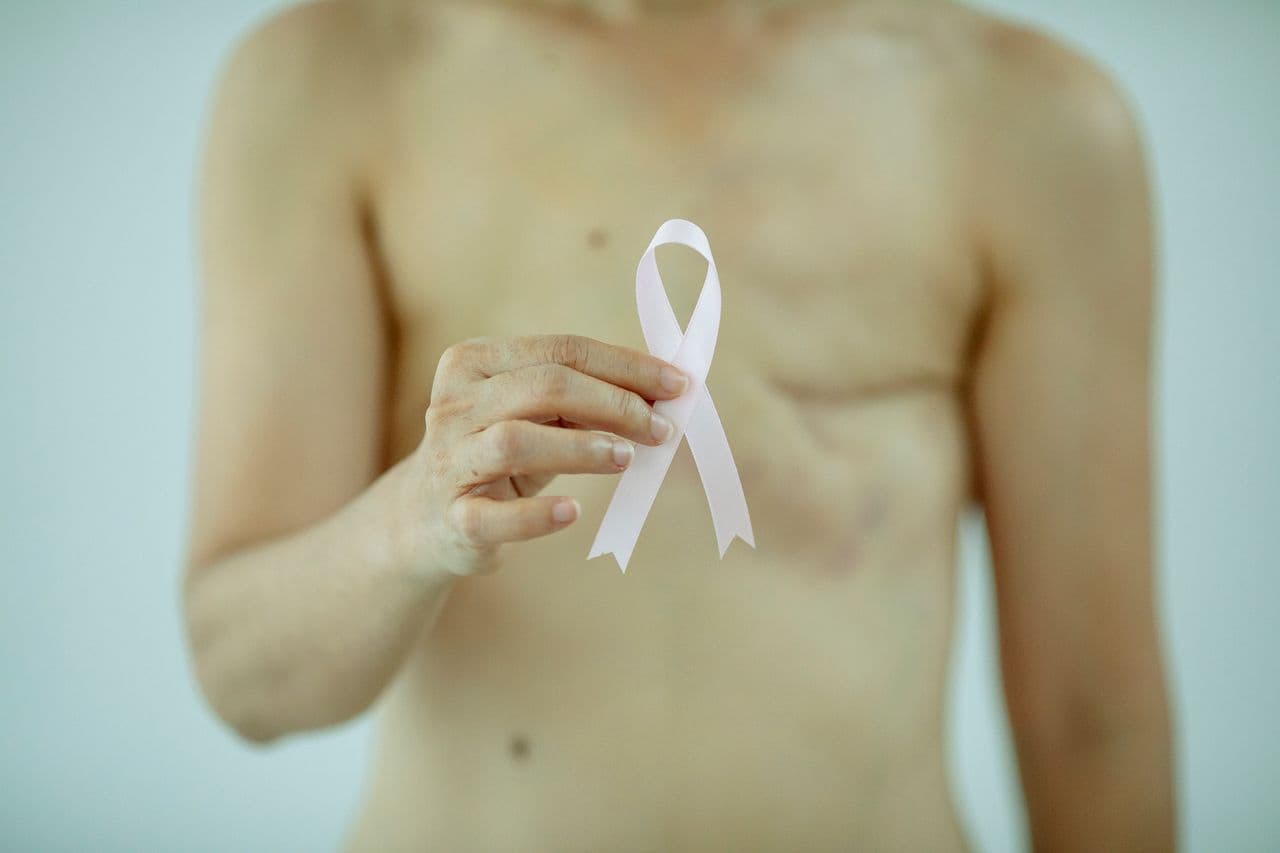
Body image after mastectomy involves far more than visible physical change, encompassing identity disruption, grief, altered sensation, and sexual self-image challenges that affect the majority of breast cancer survivors, but evidence-based approaches including CBT, ACT, and somatic practices provide meaningful, clinically supported recovery when guided by a licensed therapist.
The grief you feel about your body image after mastectomy is not vanity. It is a clinically recognized response, and no surgery automatically resolves it. Medicine rarely prepares you for how deeply this reshapes your identity, but understanding that shift is the first step toward healing.
What mastectomy does to body image: the physical and emotional changes
A mastectomy removes breast tissue to treat or prevent cancer. But the physical procedure reaches far beyond the operating table. For many women, it reshapes how they see themselves, how they move through the world, and how they relate to their own bodies in ways that can be difficult to put into words.
The body you knew no longer looks or feels the same
The most immediate change is visible: the silhouette is altered, symmetry is gone, and the chest looks fundamentally different than it did before. That shift in appearance is significant on its own. Less talked about, though, is what happens to sensation. The nerves that once carried feeling to the breast tissue are cut or disrupted, leaving behind numbness, phantom sensations, or neuropathic pain (a burning or electric-shock feeling caused by nerve damage). This disrupts what researchers call proprioception, your body’s internal sense of where it is in space and what it feels like from the inside. When that feedback loop breaks down, the body can feel unfamiliar, even foreign, in a way that goes beyond what a mirror can show.
When losing a breast feels like losing part of yourself
Breasts carry enormous cultural and personal meaning. They are tied to femininity, to beauty, to sexuality, and for many women, to motherhood. That meaning does not disappear because the surgery was medically necessary. Research on mastectomy’s impact on self-identity and femininity found that women consistently associate their breasts with core aspects of who they are, with many describing a feeling that half of themselves was missing after surgery. This is not metaphor. It reflects a genuine fracture in identity that qualitative research on the psychological and social consequences of mastectomy on body image has documented through the lived experiences of women across different backgrounds and life stages.
The emotional response is complex and contradictory
The feelings that follow a mastectomy rarely arrive in a neat, predictable order. Shock, grief, anger, relief, guilt, and dissociation (a sense of feeling detached or disconnected from your own body) can all surface at once, or cycle through in waves. Some women feel grateful to be alive and guilty for mourning their body in the same breath. Both responses are valid. Both can coexist.
It is worth being direct about something: body image distress after mastectomy is not vanity. It is a measurable psychological response with clinical significance, recognized in research and clinical practice alike. It sits on a spectrum of body image experiences, distinct from conditions like body dysmorphic disorder but no less real or deserving of care. If you are struggling with how you see or feel about your body after surgery, that struggle has a name, a cause, and support available for it.
Why body image distress after mastectomy is normal
If you’ve felt grief, shame, or deep discomfort about your body after a mastectomy, you are not overreacting. Research consistently shows that body image distress is one of the most common psychological responses to breast cancer treatment, affecting the majority of women at some point during or after their care. This isn’t a personal weakness or a sign that something is wrong with you. It’s a recognized clinical experience, documented across large-scale studies and measured by validated tools used in oncology settings worldwide.
Post-mastectomy body image distress sits firmly within the broader landscape of women’s mental health, and clinicians increasingly treat it as an expected part of recovery rather than an outlier concern. Tools like the Body Image Scale (BIS) and the Body Image after Mastectomy Scale (BIMS) exist precisely because this distress is real, measurable, and widespread enough to warrant standardized assessment. According to research validating the Body Image Scale in mastectomy patients, common experiences include feeling less physically attractive, heightened self-consciousness about appearance, dissatisfaction with surgical scars, and avoiding social situations because of how the body looks or feels.
Those findings translate into everyday moments many women recognize immediately. Do you find yourself avoiding mirrors when you get dressed? Do you feel less whole, or like your body no longer belongs to you? Do you hesitate before intimacy, or feel a quiet dread before your annual scan? These aren’t unusual questions to be sitting with.
It’s not just about the type of surgery
One of the most important things to understand is that distress does not scale neatly with how much tissue was removed. Women who have lumpectomies, which preserve most of the breast, report significant body image disruption too. The psychological impact isn’t only about physical change. It’s about what the body has come to represent, and how that meaning shifts.
Distress can also surface at unexpected times, long after the acute phase of treatment ends. Clothes shopping, a day at the beach, a moment of intimacy, or a routine follow-up appointment can all bring feelings rushing back. That’s not regression. It’s a normal part of how the mind processes a profound physical change over time.
The body image timeline: what to expect at each stage post-mastectomy
Recovery from mastectomy doesn’t follow a straight line, and neither does the process of rebuilding your relationship with your body. Most women move through a recognizable sequence of emotional stages, though the timing, order, and intensity will look different for everyone. Cycling back to an earlier stage, skipping one entirely, or sitting in one place longer than expected are all normal. What matters is knowing what each stage can feel like, so you don’t mistake a hard moment for a permanent one.
Stage 1: Shock and avoidance (weeks 1–4)
In the first weeks after surgery, many women describe feeling emotionally numb. The body has been through a major physical trauma, and the mind often responds by going quiet. You might avoid mirrors, feel disconnected from your chest area, or find it hard to think about what your body looks like right now. This is avoidance, and it serves a protective function.
During this stage, most of your energy goes toward physical healing: managing drains, monitoring incisions, and resting. Emotional processing tends to come later. Red flag: If avoidance is paired with an inability to care for your wounds, complete emotional shutdown, or thoughts of self-harm, that’s a signal to reach out for professional support right away.
Stage 2: Grief and anger (months 1–6)
At some point, often around the first time you really look at your chest in a mirror, grief arrives. You may mourn the body you had before surgery. You might feel anger at the disease, at your body for needing this surgery, or at people around you who seem unaffected. Comparing yourself to friends or images of women who haven’t had this experience is common and painful.
This grief is real and it deserves space. It isn’t weakness or ingratitude. Anger, in particular, can feel frightening, but it’s often a sign that you’re beginning to process what happened rather than staying numb. Red flag: Persistent hopelessness, withdrawal from relationships, or grief that doesn’t shift at all over several months warrants a conversation with a mental health professional.
Stage 3: Negotiation (months 6–12)
As the acute grief softens, many women enter a stage of negotiation. This is when questions start to surface: Should I pursue reconstruction? Would a prosthesis feel right? Is going flat the choice that fits my life? These aren’t just practical decisions. They’re also a kind of bargaining with the old self-image, a search for what “enough” can look like going forward.
This stage often involves a shift from “how do I get back to who I was” toward “who do I want to be now.” Approaches grounded in acceptance and commitment therapy (ACT, a method focused on aligning choices with your personal values rather than fighting difficult thoughts) can be especially useful here. Red flag: If decision-making feels completely paralyzing or is driven entirely by shame rather than personal values, a therapist can help you sort through what’s yours versus what’s fear.
Stages 4 and 5: Experimentation and integration (6 months onward)
Experimentation (months 6–18) is often the most active stage. Women begin testing what feels comfortable: trying new clothing styles, exploring intimacy on their own terms, and sometimes pursuing creative reclamation through tattooing over scars, photography, or movement practices. There’s a lot of trial and error here, and that’s the point. You’re gathering information about who you are in this body now.
Integration (18+ months) doesn’t mean you’ve arrived at a fixed destination. It means the changed body has become your body, not just “what happened to your body.” Identity expands rather than simply restoring to a prior version. Many women describe this stage not as acceptance in the sense of resignation, but as a genuine, evolving relationship with themselves. Acceptance and commitment therapy continues to support this stage by helping you stay connected to what matters most, even as your sense of self keeps changing.
Red flag across both stages: If experimentation repeatedly leads to dissociation, panic, or deep shame rather than any sense of agency, or if integration never seems to begin after two or more years, professional support can help you move forward.
Reconstruction, prosthesis, or going flat: what body image research actually shows
When you’re facing a decision about what comes after mastectomy, it’s easy to assume one path leads to feeling whole again and the others don’t. The research tells a more nuanced story. Body image outcomes after mastectomy depend far less on which option you choose and far more on how you came to that choice, and what happens along the way.
Reconstruction doesn’t guarantee resolution
Research on how surgery type and side effects influence body image over time shows that body image outcomes between women who had reconstruction and those who didn’t tend to converge over time. What actually predicts how a woman feels about her body isn’t whether she reconstructed, but how severe her surgical side effects were and whether the outcome matched her expectations.
Complications, chronic pain, implant revisions, and unexpected changes to sensation can all erode satisfaction even when the cosmetic result looks successful. Women who enter reconstruction expecting to feel exactly as they did before are at higher risk of body image distress afterward, not because reconstruction failed, but because the expectation didn’t account for what the body actually goes through.
Prosthesis and going flat: a wider range than you’d expect
Studies comparing body image outcomes by mastectomy type reinforce that the extent of surgery significantly shapes how women relate to their bodies afterward, and that no single pathway reliably produces better outcomes for everyone. Women who use external breast prostheses report a wide range of satisfaction. For some, a well-fitted prosthesis restores a sense of continuity in how they present themselves to the world. For others, the daily management of it, fit issues, comfort in heat, or the emotional weight of putting it on each morning, becomes its own source of distress.
Women who choose aesthetic flat closure, the practice of going flat with a smooth, intentional chest contour, are an increasingly studied group. When women choose this path with full information and genuine agency, their body image outcomes are comparable to, and in some measures better than, those of women who had reconstruction. The key phrase there is “with full agency.” Women who felt pressured away from going flat, or who weren’t offered it as a legitimate option, report significantly lower satisfaction.
The one factor that matters most across all three paths
Across reconstruction, prosthesis, and flat closure, the single strongest predictor of body image satisfaction is the degree of informed, personal choice behind the decision. This isn’t a small finding. It means the process of deciding matters as much as the decision itself.
Women who reflect on this process often wish they had been asked different questions before surgery:
- What does “feeling like myself” actually mean to you, specifically?
- Are you choosing this for yourself, or because of how you think others will respond?
- What would you choose if no one else would ever see the result?
These aren’t easy questions, and you may not have clear answers right away. That’s normal. Women change their decisions, sometimes before surgery, sometimes after, sometimes more than once. Choosing reconstruction and later deciding to go flat, or starting with a prosthesis and eventually choosing a different path, is not a failure or a contradiction. It’s a valid, human response to living in a body that has changed in ways that take time to understand.
How women rebuild their relationship with their body: evidence-based practices
Rebuilding a relationship with your body after mastectomy is not a single event. It is a gradual, layered process that looks different for every woman. Research on evidence-based psychological interventions for body image in breast cancer survivors confirms that structured, intentional practices meaningfully improve body image outcomes, which means you do not have to figure this out alone or make it up as you go. The practices below are organized by modality so you can start where you feel ready.