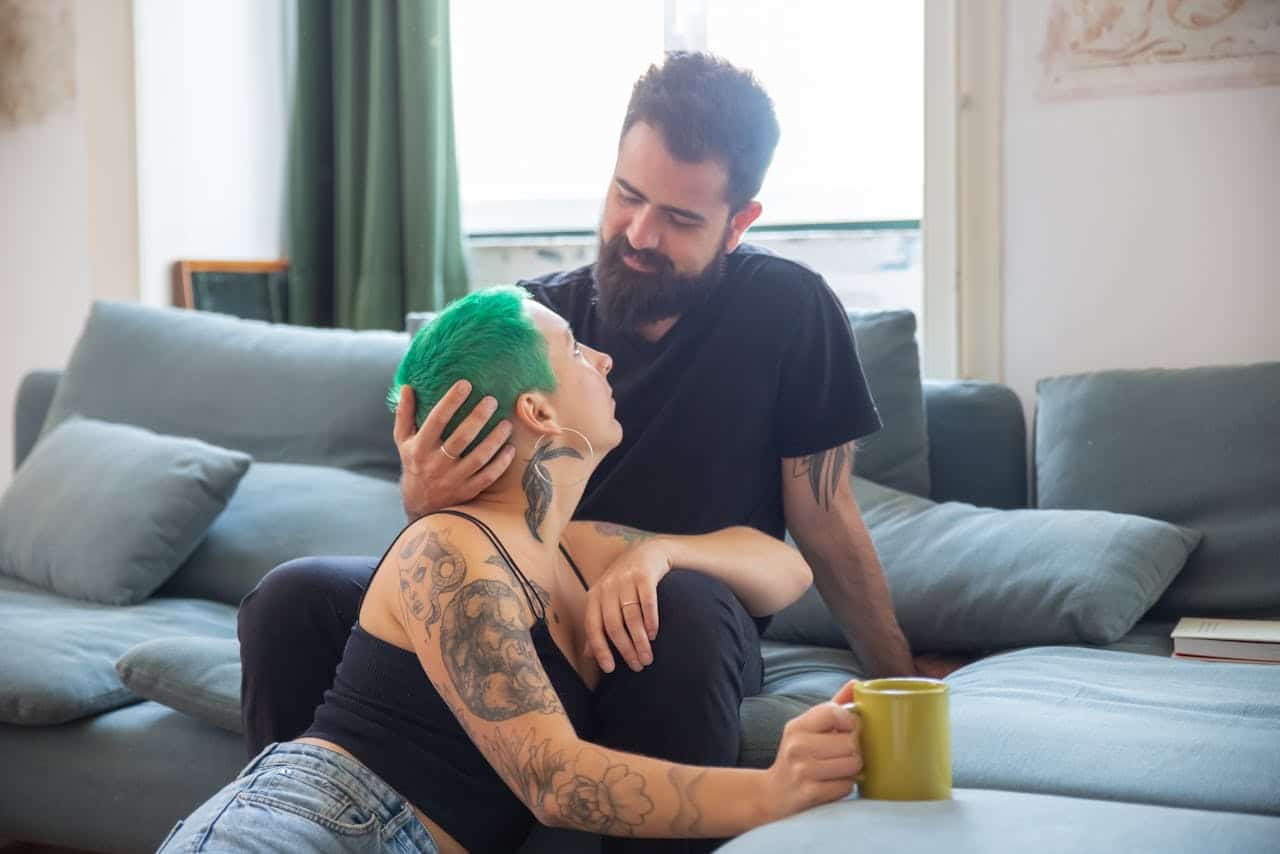
Neurodivergent relationships require specialized communication strategies, conflict resolution frameworks, and therapeutic approaches that standard relationship advice doesn't address, including evidence-based techniques for managing sensory sensitivities, rejection sensitive dysphoria, and neurological processing differences.
Why does saying 'I love you' sometimes feel like speaking different languages in your relationship? Neurodivergent relationships face unique challenges that standard advice doesn't address, but understanding these differences can transform how you connect.
Why neurodivergent relationships can feel harder than they should
If you’re in a relationship where one partner is neurodivergent and the other is neurotypical, you’ve probably noticed that some things feel inexplicably difficult. Not because anyone is doing something wrong, but because you’re working with fundamentally different operating systems.
Neurological differences affect behavioral patterns in ways that touch every part of daily life together. Time perception, sensory processing, communication styles, emotional expression: these aren’t preferences you can simply adjust. They’re wired into how your brain works. A neurotypical partner might feel hurt when their neurodivergent partner forgets an important date, while the person with ADHD or autism genuinely couldn’t access that information in the moment, no matter how much they cared.
This is why neurodivergent-neurotypical relationships can be so difficult without the right understanding. Neither person is the problem. You’re just running different software, and without intentional translation, signals get crossed constantly.
Many couples fall into what researchers call the tragic dance of the neurodiverse couple. The neurotypical partner feels neglected or unheard, so they pursue connection more intensely. The neurodivergent partner feels criticized or overwhelmed, so they pull back to protect themselves. Both people end up lonely in the same room, convinced the other doesn’t care. Understanding your own and your partner’s attachment styles can help you recognize when this pattern is taking hold.
This dynamic gets even more confusing when neurodivergence is undiagnosed or discovered late in life. Suddenly, behaviors that seemed like personality flaws or relationship failures have a different explanation. That realization can bring relief, but also grief for years spent blaming yourself or each other for something neither of you fully understood.
Communication differences that create disconnection
Most relationship conflicts trace back to one thing: feeling misunderstood. When one partner is neurodivergent and the other is neurotypical, communication styles can clash in ways that leave both people frustrated and hurt. Once you understand why these disconnects happen, you can start building bridges instead of walls.
How do neurodivergent people experience love differently?
Neurodivergent people often communicate love through actions rather than implied social scripts. A person with autism might show care by researching solutions to your problem rather than offering emotional validation, because solving the problem feels like the most loving response. Someone with ADHD might interrupt you mid-sentence, not out of disrespect, but because they’re so engaged that the thought feels urgent to share before it disappears.
These differences extend to how love is received, too. Communication differences in autism can include challenges with interpreting facial expressions, tone of voice, and body language. Your partner might miss the subtle signs that you need comfort, not because they don’t care, but because those signals didn’t register the same way.
Processing speed adds another layer. When you ask your neurodivergent partner how they feel about something and they go quiet, that pause isn’t disengagement. Their brain may need extra time to translate internal experiences into words. Rushing them or interpreting silence as avoidance only deepens the disconnect.
Bridging the communication gap: scripts that actually work
Understanding your neurodivergent partner starts with adjusting expectations around directness. Neurotypical communication relies heavily on implication and subtext. Neurodivergent communication often takes words at face value. “I’m fine” might be interpreted literally, even when your tone suggests otherwise.
Here are scripts for common scenarios that help both partners feel heard:
- Requesting processing time: “I want to give you a real answer, not a rushed one. Can I think about this and come back to you in an hour?”
- Explaining an interruption: “I interrupted because I was excited about what you said, not because I wasn’t listening. Can you finish your thought?”
- Asking for explicit communication: “I want to support you, but I’m not sure what you need right now. Can you tell me directly?”
Learning how to communicate with a neurodivergent partner isn’t about one person doing all the adapting. Approaches like interpersonal therapy can help couples develop shared communication strategies, while acceptance and commitment therapy offers tools for responding to misunderstandings with flexibility rather than frustration.
Sensory sensitivities and intimacy: navigating physical connection
Physical intimacy involves all the senses at once, which can make it particularly complex for people with sensory sensitivities. Understanding that sensory responses aren’t personal rejection is essential for building trust and connection.
Certain touches, textures, sounds, or even lighting can shift from pleasant to overwhelming in moments. A gentle caress might feel wonderful one day and unbearable the next. This unpredictability isn’t about desire or attraction. It’s about how the nervous system processes sensory input, which can vary based on stress levels, energy, environment, and countless other factors.
Creating sensory-safe intimate spaces
Small environmental adjustments can make a significant difference. Consider soft, breathable fabrics instead of scratchy materials. Dim or warm lighting often feels less intrusive than bright overhead lights. Temperature matters too, as being too hot or cold can quickly become the only thing a sensory-sensitive person can focus on. Timing also plays a role: intimacy after a sensory-heavy day may feel like too much, while quieter moments might feel more accessible.
Talking about sensory needs without shame
Direct communication helps both partners feel secure. Try phrases like: “That touch feels too intense right now, can we try something softer?” or “I’m feeling overstimulated today, but I still want to be close to you.” These conversations benefit from a trauma-informed care approach, where both partners prioritize safety and understanding over assumptions.
When partners recognize that sensory boundaries protect the relationship rather than limit it, intimacy can actually deepen.
How rejection sensitive dysphoria amplifies relationship conflicts
Rejection sensitive dysphoria, often called RSD, describes an intense emotional response to perceived rejection or criticism. It’s particularly common among people with ADHD, though it can affect anyone who is neurodivergent. The key word here is perceived: RSD doesn’t require actual rejection to activate. A partner’s neutral tone, a brief text, or even a moment of distraction can feel like proof that something is deeply wrong.
RSD manifests in relationships in several recognizable patterns:
- Reading rejection into neutral statements. Your partner says “I’m tired” and your brain translates it to “I’m tired of you.”
- Disproportionate reactions to minor feedback. A small suggestion about household chores feels like a character attack.
- Chronic people-pleasing. You abandon your own needs to avoid any possibility of disappointing your partner.
These responses often create a painful cycle. Your partner offers feedback, RSD triggers an intense emotional reaction, you respond defensively, and the original issue never gets addressed. Over time, your partner may stop bringing up concerns entirely, leading to resentment and distance. This pattern can sometimes escalate into anger management challenges that strain the relationship further.
Breaking the cycle with honest language
Naming what’s happening can interrupt the spiral before it takes over. If you experience RSD, try saying: “I’m experiencing RSD right now. My reaction feels bigger than the situation probably warrants. Can you give me a few minutes?”
For neurotypical partners, pairing feedback with explicit reassurance helps. Try: “I need to talk about something, and I want you to know that I love you and I’m not going anywhere.” This might feel unnecessary or even awkward, but for someone with RSD, hearing that the relationship is secure creates enough safety to actually hear the feedback.
These scripts aren’t magic fixes. They’re tools that work better with practice and patience from both partners.
The PAUSE Protocol: a neurodivergent-friendly conflict resolution framework
Conflict happens in every relationship. For neurodivergent couples, the way you move through disagreements matters as much as resolving them. The PAUSE Protocol offers a structured approach designed around how neurodivergent brains actually work during moments of tension.
Why standard conflict advice fails neurodivergent couples
You’ve probably heard the classic advice: “Don’t go to bed angry.” For many neurodivergent people, this well-meaning rule creates more harm than good. When your nervous system is dysregulated, pushing through a conflict before you’ve had time to process can lead to meltdowns, shutdowns, or saying things you don’t mean.