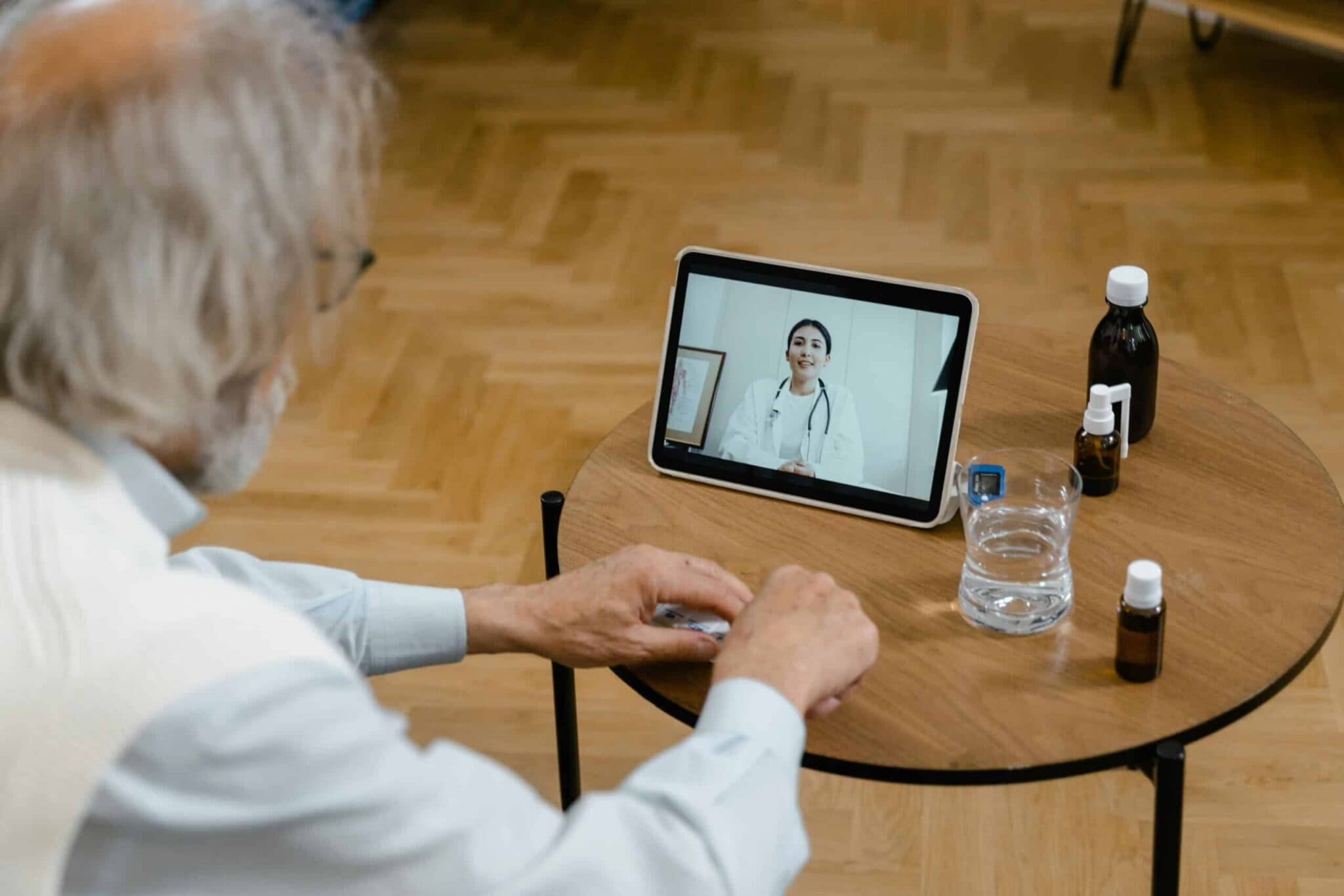
Telehealth therapy connects individuals with licensed clinical social workers through secure virtual sessions, providing evidence-based therapeutic support for mental health conditions, life challenges, and personal growth, while offering the same effectiveness as traditional in-person therapy with added convenience and accessibility.
Ever felt like you needed someone to talk to, but the thought of visiting a therapist's office seemed overwhelming? Telehealth therapy brings professional mental health support right to your personal space, combining the proven benefits of traditional therapy with the convenience and comfort of connecting from home.
Professional Telehealth Therapy: Enhancing Mental Wellbeing and Addressing Life’s Challenges
Navigating life’s complexities with the support of a licensed clinical social worker through virtual therapy
Life’s journey is filled with unexpected challenges that can sometimes feel overwhelming. During these difficult periods, the guidance of a professional telehealth therapist can be transformative. Whether you’re a busy professional managing workplace stress, a parent balancing family responsibilities, or someone seeking support for personal growth, a licensed clinical social worker can provide you with effective strategies and resources to help you thrive despite adversity.
For centuries, therapeutic approaches have been utilized to address various mental health concerns, life challenges, and distressing symptoms. While therapeutic practices can be traced to ancient civilizations, many credit the foundations of modern talk therapy to Sigmund Freud, who developed psychoanalysis to help individuals understand their subconscious processes.
Five categories of therapeutic approaches in contemporary practice
In today’s mental health landscape, most therapeutic methods fall within five primary categories:
- Psychoanalysis and psychodynamic therapy
- Behavior therapy
- Cognitive therapy
- Humanistic therapy
- Holistic and integrative therapy
Specific evidence-based approaches, such as cognitive-behavioral therapy (CBT) and dialectical behavior therapy (DBT), fall within these broader categories. Through ReachLink’s telehealth platform, you can access these therapeutic approaches with a licensed clinical social worker from the comfort of your own space.
The purpose and wellness benefits of telehealth therapy
Telehealth therapy provides the same benefits as traditional in-person therapy while offering enhanced accessibility and convenience. It’s a common mental health myth that therapy is only for those with diagnosed mental health conditions; in reality, anyone can benefit from professional support. Here are some of the many reasons people engage in telehealth therapy:
Developing essential life skills through virtual therapy sessions
During your telehealth sessions, your ReachLink clinical social worker will work collaboratively with you to develop practical skills for managing various aspects of your life, such as:
- Effective communication strategies
- Active listening techniques
- Self-care practices
- Anger management methods
- Symptom reduction for mental health concerns
- Stress management tools
- Career and work-life balance strategies
- Healthy emotional expression
- Developing secure attachment patterns
- Processing and healing from difficult past experiences
- Recovery support for substance use issues
- Anxiety reduction techniques
Your therapist may provide digital resources, homework assignments, and personalized recommendations alongside their guidance and support. For specific concerns, such as trauma recovery, your therapist might suggest a more structured approach. Typically, your ReachLink therapist will collaborate with you during initial sessions to create a customized treatment plan with clear therapeutic goals.
Processing emotions for improved wellbeing
Many individuals struggle to connect with their emotions or discuss challenging experiences and feelings. For those who find emotional vulnerability difficult, a ReachLink therapist can help identify the mind-body connection, recognizing physical sensations that accompany emotional states. They can also assist in recognizing emotional patterns through facial expressions, body language, and behavioral tendencies.
Strengthening relationships
Many clients seek therapy to improve their relationships with others. While ReachLink offers specific couples and family therapy services, individual therapy can also effectively address relationship challenges. Your therapist can provide valuable strategies for communication, attachment patterns, managing separations, coping with loss, and more.
Experiencing validation and compassion
Though therapy often focuses on skill development and symptom management, many individuals seek therapy to better understand their experiences and emotions. For those struggling with low self-esteem or difficult past experiences, receiving validation and non-judgmental support can be profoundly healing in itself.
Addressing mental health symptoms and conditions
Telehealth therapy can effectively treat many mental health conditions and symptoms, including but not limited to: