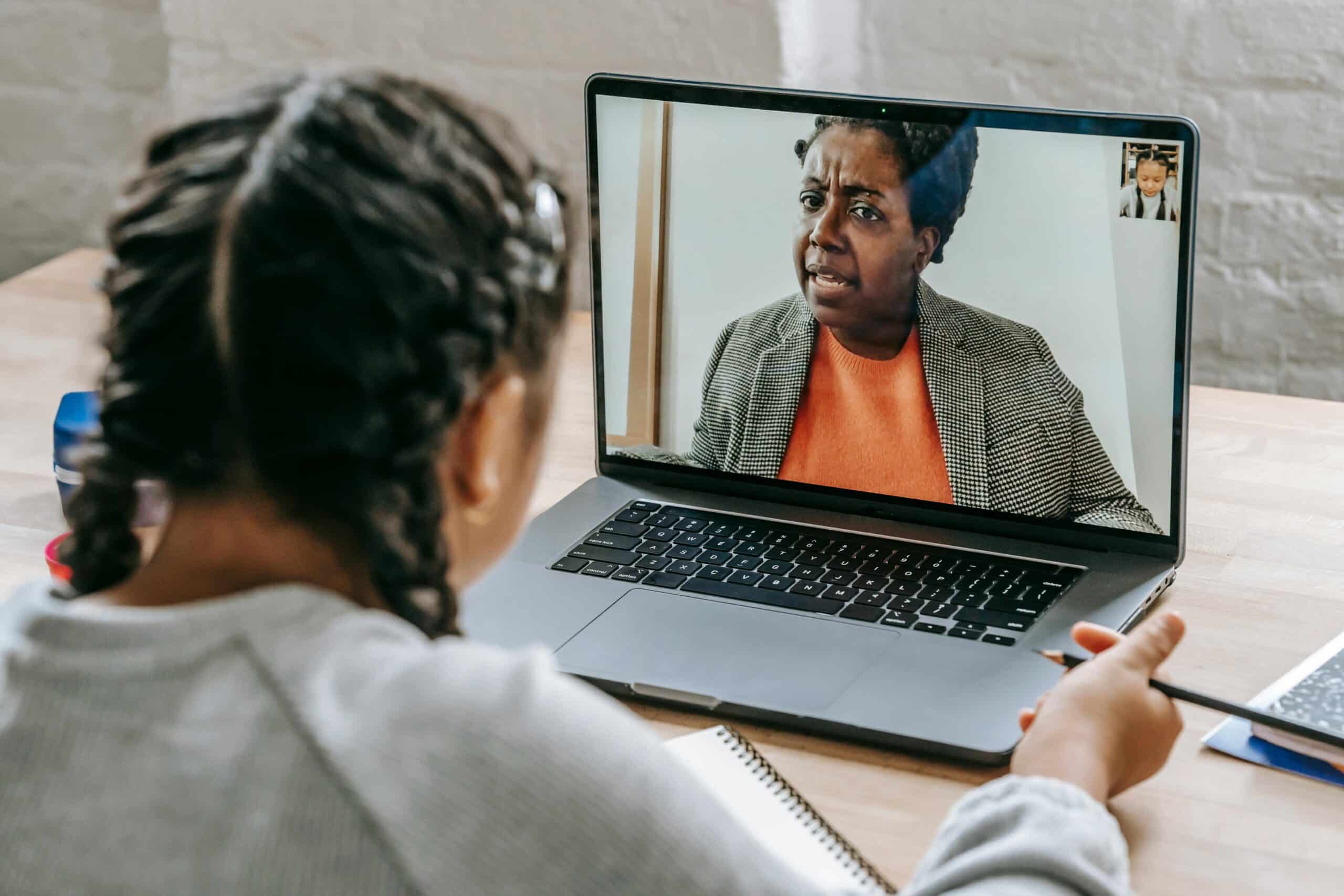
Telehealth child mental health services provide families accessible, evidence-based therapy through licensed clinical social workers who address anxiety, depression, and ADHD using proven approaches like cognitive behavioral therapy, with research demonstrating 78% effectiveness rates for online therapeutic interventions.
Wondering if your child's struggles require professional help? Child mental health support through telehealth is transforming how families access therapy - discover when to seek help, what signs to watch for, and how online counseling can fit your busy life.
Finding Mental Health Support for Your Child Through Telehealth
Updated March 11th, 2025 by ReachLink Editorial Team
Medically reviewed by licensed clinical social workers
Disclaimer
Please be advised, the below article might mention trauma-related topics that include suicide, substance use, or abuse which could be triggering to the reader.
Support is available 24/7.
As parents, we strive to equip our children with the tools they need for fulfilling, resilient lives. Yet sometimes our children face challenges that benefit from specialized support beyond what family and friends can provide. When your child struggles with emotional or behavioral concerns, finding the right therapeutic support can feel overwhelming. How do you know when professional help is needed? What kind of support is most appropriate? And how can telehealth services fit into your family’s care plan?
This guide explores signs that your child might benefit from counseling, the advantages of therapeutic support, and how modern telehealth options can make mental health care more accessible for families.
Understanding Common Mental Health Concerns in Children
Recognizing mental health concerns in young people can be challenging. Children express distress differently than adults, and distinguishing between typical developmental struggles and issues requiring professional attention isn’t always straightforward. Below are some common mental health concerns affecting children and adolescents today.
Recognizing Anxiety in Young People
According to the Anxiety and Depression Association of America (ADAA), over 30% of people between the ages of 13 and 18 live with an anxiety disorder. Anxiety disorders encompass several conditions, including generalized anxiety disorder, social anxiety disorder, specific phobias, and panic disorder.
Signs that may indicate your child is struggling with anxiety include:
- Frequent nightmares or sleep disturbances
- Difficulty falling or staying asleep
- Increased irritability or anger that seems disproportionate
- Persistent fatigue despite adequate rest
- Physical symptoms like shaking or trembling
- Withdrawal from friends and family
- Loss of interest in previously enjoyed activities
- Difficulty concentrating or remembering information
- Unexplained gastrointestinal complaints
When Sadness Becomes Depression
While sadness is a natural emotion all children experience, persistent sadness without clear cause may signal depression. Depressive disorders include major depressive disorder, persistent depressive disorder, and seasonal affective disorder, among others.
Signs of depression in children may include:
- Social withdrawal and isolation
- Chronic fatigue or low energy
- Abandoning favorite hobbies or activities
- Concentration difficulties or indecisiveness
- Significant changes in appetite
- Unexplained weight changes
- Uncharacteristic aggression or agitation
- Persistent sadness lasting more than two weeks
- Preoccupation with death or dying*
Attention and Focus Challenges
Attention-deficit/hyperactivity disorder (ADHD) is among the most frequently diagnosed neurodevelopmental conditions in children. The Centers for Disease Control (CDC) reports that approximately six million adolescents in the United States are affected by ADHD, which is characterized by challenges with attention, hyperactivity, and impulse control.
Potential indicators of ADHD include:
- Excessive physical activity or restlessness
- Persistent difficulty maintaining focus
- Disruptive behavior in structured settings
- Acting without considering consequences
- Missing important details in schoolwork or other activities
- Appearing not to listen when spoken to directly
- Struggles with organization and time management
- Inability to remain seated when expected
- Frequently interrupting others
- Difficulty waiting their turn
How Therapeutic Support Benefits Children and Families
Childhood and adolescence present unique challenges. Young people are simultaneously discovering who they are, navigating complex social environments, managing academic pressures, and learning to regulate their emotions. Professional counseling can provide children with tools to cope with these developmental tasks, process difficult experiences, and build emotional resilience.
Importantly, therapy isn’t exclusively for children with diagnosed mental health conditions. Counseling can serve many purposes: providing a safe space for emotional expression, teaching practical coping skills, helping young people identify their strengths, building self-confidence, or simply offering consistent support during difficult transitions.
Family therapy can also address dynamics that affect the entire household, improving communication patterns and helping families navigate challenges together. When one family member struggles, the whole family system often feels the impact—and benefits from support.
Exploring Therapeutic Approaches for Young People
Licensed clinical social workers and other mental health professionals employ various evidence-based approaches when working with children and families. The right approach depends on your child’s specific needs, age, developmental stage, and the concerns being addressed.
Cognitive Behavioral Approaches
Cognitive behavioral therapy (CBT) helps children understand the connections between their thoughts, feelings, and behaviors. By learning to identify and challenge unhelpful thought patterns, young people can develop more adaptive ways of thinking and responding to challenges. CBT is particularly effective for anxiety and depression.
Social Skills Development
Some children benefit from focused work on communication and interpersonal skills. This might include making and maintaining friendships, engaging appropriately with adults, understanding social cues, or navigating conflict. Social skills work can be integrated into individual therapy or conducted in group settings.
Children who have experienced traumatic events—including abuse, neglect, loss of a loved one, accidents, natural disasters, or witnessing violence—often benefit from trauma-focused therapeutic approaches. These specialized interventions help children process difficult experiences in age-appropriate ways and develop healthy coping mechanisms.
Grief and Loss Support
Children process grief differently than adults and may need specialized support following the death of a loved one. Grief counseling provides space for children to express complex emotions and learn that their feelings are normal responses to loss.
Family-Centered Therapy
Family therapy treats the family as an interconnected system, recognizing that individual struggles often reflect and affect broader family dynamics. This approach can be particularly valuable when families face major transitions like divorce, blending families, or addressing communication breakdowns.
Group Therapy Settings
Group therapy allows children to interact with peers facing similar challenges. This format helps young people realize they’re not alone in their struggles while providing opportunities to practice social skills and receive support from others who understand their experiences.
What Parents Can Do: Supporting Your Child’s Mental Wellness
Professional counseling works best when integrated with supportive family environments. While licensed clinical social workers bring specialized expertise, parents remain the most important influence in their children’s lives. Here are ways you can support your child’s emotional wellbeing:
Stay Connected and Involved
Your presence, attention, and unconditional support provide the foundation for your child’s emotional security. Children who know they can count on their parents tend to navigate challenges with greater confidence and resilience. Make time for regular one-on-one connection, even if just for a few minutes each day.
Incorporate Physical Activity
Physical movement benefits mental health for both children and adults. Consider taking family walks, playing active games together, or encouraging your child to participate in sports or dance. Exercise naturally boosts mood and provides opportunities for informal conversation about what’s happening in your child’s life.
Encourage Self-Expression
For many young people, journaling offers a valuable outlet for processing emotions. Depending on your child’s age and interests, they might also express themselves through art, music, or other creative activities. The goal isn’t polished output but rather providing channels for emotional exploration.
Model Healthy Coping
Children learn by observing the adults around them. When you demonstrate healthy ways of managing stress, expressing emotions, and seeking support when needed, you teach your child that these behaviors are normal and valuable.
How Telehealth Makes Mental Health Support More Accessible
Technology has transformed how families access mental health services. Telehealth counseling—where clients connect with licensed clinical social workers through secure video sessions—offers several advantages that can make consistent therapeutic support more feasible for busy families.
Overcoming Geographic and Scheduling Barriers
Traditional in-person therapy requires coordinating schedules, arranging transportation, and finding providers in your geographic area who specialize in your child’s specific needs. For families in rural areas or communities with limited mental health resources, finding appropriate local providers may be nearly impossible.
Telehealth eliminates these geographic limitations. Families can access experienced licensed clinical social workers regardless of where they live. Video sessions also offer greater scheduling flexibility, making it easier to find appointment times that work around school, work, and family commitments.
Comfort and Continuity
Some children feel more comfortable in familiar environments. Participating in therapy from home can reduce anxiety about visiting unfamiliar offices and may help younger children engage more openly. Additionally, when families move or circumstances change, telehealth allows for continuity of care with the same provider rather than starting over with someone new.
Research on Telehealth Effectiveness
Studies demonstrate that telehealth therapy can be as effective as traditional in-person counseling for many mental health concerns. Research on online cognitive behavioral therapy for adolescents with anxiety found that 78% of participants aged 12 to 18 no longer met diagnostic criteria for anxiety disorders following treatment. The study highlighted telehealth’s accessibility advantages and reduced time constraints compared to traditional therapy.
Finding the Right Support for Your Family
If you’re considering therapeutic support for your child, several resources can help you find qualified providers:
- The American Psychological Association’s psychologist locator allows you to search by location and specialty
- Your child’s school counselor or pediatrician may provide referrals to local providers
- Telehealth platforms like ReachLink connect families with licensed clinical social workers who specialize in working with children, adolescents, and families
When exploring options, consider what type of provider best matches your child’s needs. Licensed clinical social workers bring expertise in therapeutic counseling and are trained to address a wide range of emotional and behavioral concerns through evidence-based approaches.
Important Considerations About Scope of Services
When seeking mental health support for your child, it’s important to understand what different providers can offer. Licensed clinical social workers provide therapeutic counseling and behavioral interventions but do not prescribe medications or conduct psychological testing. If your child requires psychiatric medication management or comprehensive psychological assessment, you’ll need to consult with a psychiatrist or psychologist who provides those specific services.
Quality telehealth platforms will help you understand these distinctions and can provide referrals when services outside their scope are needed. The goal is ensuring your child receives the right type of support from appropriately qualified professionals.
Taking the First Step
Recognizing that your child might benefit from professional support and actually reaching out for help are two different things. Many parents hesitate, wondering if they’re overreacting or if they should be able to handle things on their own. Remember that seeking guidance from a mental health professional doesn’t mean you’ve failed as a parent—it means you’re being proactive about your child’s wellbeing.
Whether your child is struggling with a diagnosed condition, navigating a difficult life transition, or simply needs additional support developing coping skills, therapeutic counseling can provide valuable tools and perspectives. With telehealth options, accessing this support has become more convenient and feasible for families with busy schedules, transportation challenges, or limited local resources.
ReachLink’s licensed clinical social workers work with children, adolescents, and families to address a wide range of concerns through secure, HIPAA-compliant video sessions. If you’re ready to explore whether telehealth therapy might benefit your family, reaching out for an initial consultation is a simple first step toward supporting your child’s emotional wellbeing.
FAQ
-
What are the early warning signs that my child might need mental health support?
Common signs include persistent changes in mood or behavior lasting more than two weeks, withdrawal from friends and activities, significant changes in sleep or appetite, difficulty concentrating at school, excessive worry or fears, and dramatic shifts in academic performance. Physical complaints without medical causes, such as frequent headaches or stomachaches, can also indicate emotional distress.
-
How does online therapy work for children and teenagers?
Online therapy for children typically involves video sessions with licensed therapists who specialize in child and adolescent mental health. Therapists use age-appropriate techniques, interactive tools, and engaging activities adapted for the digital format. Sessions may include play therapy elements, art activities, or cognitive behavioral techniques depending on the child's age and needs.
-
What therapeutic approaches are most effective for children with anxiety and depression?
Cognitive Behavioral Therapy (CBT) is highly effective for children, helping them identify and change negative thought patterns. Play therapy works well for younger children who express themselves better through play than words. Family therapy can address relationship dynamics that impact the child's mental health. Dialectical Behavior Therapy (DBT) skills training helps children learn emotional regulation and coping strategies.
-
How can parents support their child during therapy sessions conducted at home?
Parents can create a quiet, private space for sessions, ensure reliable internet connection, and minimize distractions. It's important to respect the therapeutic relationship by allowing the child privacy during sessions unless the therapist requests parental involvement. Parents should also practice patience as therapy progress takes time and support their child in implementing coping strategies learned in therapy.
-
When should parents consider involving the whole family in therapy sessions?
Family therapy is beneficial when a child's mental health issues stem from or significantly impact family relationships and communication patterns. It's particularly helpful for addressing behavioral problems, family conflicts, major life transitions like divorce, or when multiple family members are experiencing stress. Family sessions can improve communication skills and create a more supportive home environment for the child's recovery.