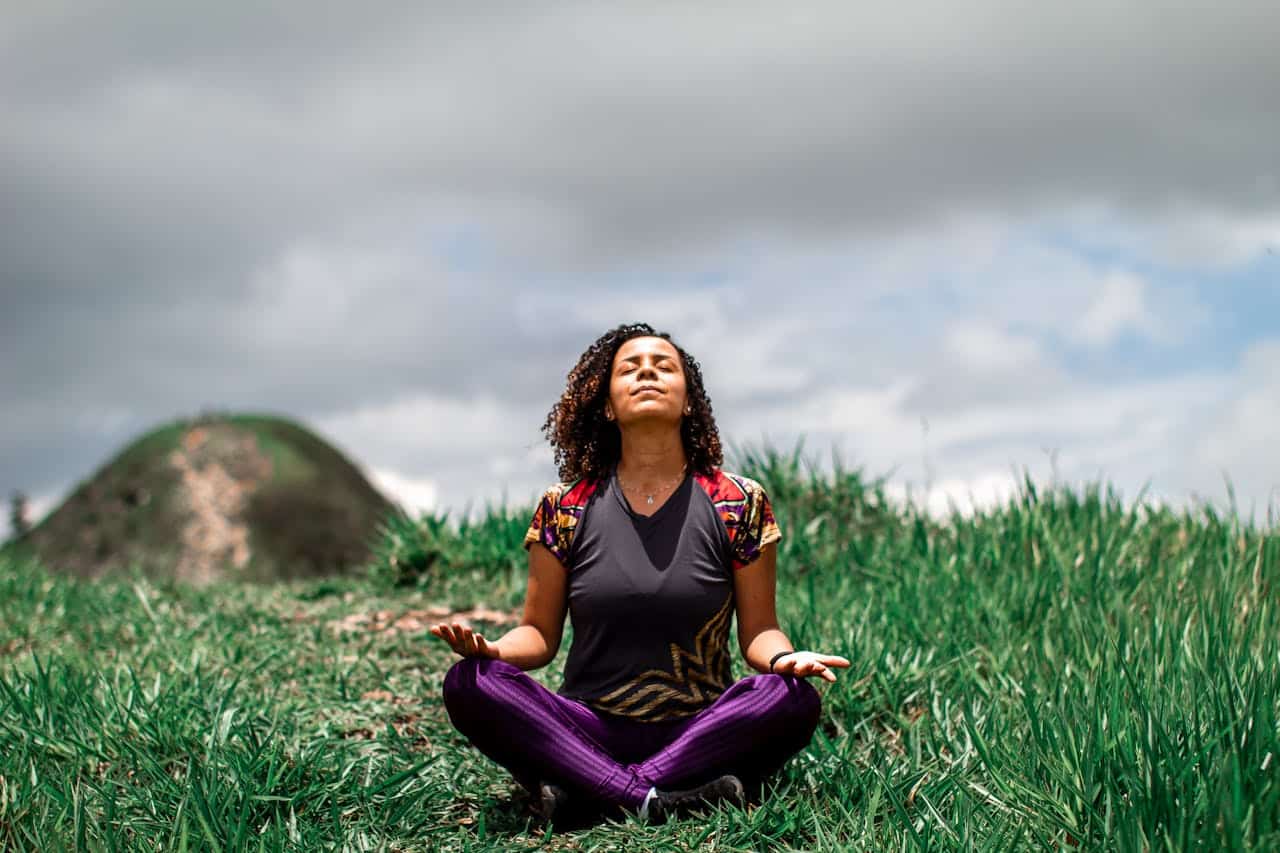
Breathwork techniques backed by clinical research directly regulate your nervous system through vagal nerve stimulation and parasympathetic activation, delivering measurable reductions in anxiety, stress hormones, and blood pressure when practiced consistently alongside evidence-based therapeutic support.
What if breathwork isn't just trendy wellness advice, but a clinically proven way to rewire your stress response? Your breath sends direct signals to your brain about safety versus danger, and decades of research reveal exactly which techniques produce measurable changes in your nervous system.
How breathwork affects your nervous system: the science
Your breath does more than deliver oxygen. It sends direct signals to your brain about whether you’re safe or in danger. This connection between breathing and your nervous system isn’t mystical or abstract. It’s measurable, predictable, and backed by decades of research.
The key player in this system is your autonomic nervous system, which controls involuntary functions like heart rate, digestion, and stress responses. It has two main branches: the sympathetic system (your “fight or flight” response) and the parasympathetic nervous system (your “rest and digest” mode). What makes breathing unique is that it’s one of the few autonomic functions you can consciously control, giving you a direct line to influence how your body responds to stress.
Vagal activation and the parasympathetic response
The vagus nerve is the longest cranial nerve in your body, running from your brainstem down through your chest and abdomen. When activated, it triggers your parasympathetic response: slowing your heart rate, lowering blood pressure, and calming the cascade of stress hormones.
Slow, deliberate breathing stimulates this nerve. Research on slow breathing and the autonomic nervous system shows that breathing at around six breaths per minute optimizes what scientists call “sympathovagal balance,” essentially shifting your nervous system away from stress mode.
Exhalation-dominant breathing patterns are particularly effective. When your exhale is longer than your inhale, you increase vagal tone and reduce sympathetic arousal. This is why techniques like the 4-7-8 breath (inhale for 4 counts, hold for 7, exhale for 8) feel calming almost immediately.
Heart rate variability, or HRV, serves as a measurable biomarker of this autonomic flexibility. Higher HRV indicates a nervous system that can adapt quickly between states of activation and rest. Regular breathwork practice has been shown to improve HRV over time, suggesting lasting changes in nervous system regulation.
Baroreceptors, pressure sensors in your blood vessels, also play a role. These sensors detect changes in blood pressure with each breath and send feedback to your brain, contributing to what researchers call interoceptive awareness: your ability to sense and interpret internal body signals.
How breathing rate influences brain function
Your respiratory rate doesn’t just affect your body. It directly influences your brain wave patterns and emotional processing centers.
When you breathe slowly, you shift your brain toward alpha wave activity, the pattern associated with calm alertness and relaxation. Fast, shallow breathing does the opposite, promoting beta waves linked to anxiety and hypervigilance.
The amygdala, your brain’s threat detection center, is particularly responsive to breathing patterns. Slow breathing reduces amygdala reactivity, which helps explain why breathwork can interrupt anxiety spirals and panic responses. Your breath essentially tells your amygdala whether to stay on high alert or stand down.
This brain-breath connection works both ways. Stress changes your breathing, often making it faster and shallower. But consciously changing your breathing can reverse the stress response, creating a feedback loop you can use to your advantage.
Stress reduction and cortisol regulation through breathwork
When you’re stressed, your body releases cortisol. This hormone is helpful in short bursts, giving you energy to handle immediate challenges. When stress becomes chronic, elevated cortisol wreaks havoc on your immune system, sleep quality, and mental health.
Breathwork offers a direct line to interrupt this cycle. Slow, controlled breathing modulates your HPA axis, the communication network between your hypothalamus, pituitary gland, and adrenal glands that controls cortisol release. Think of the HPA axis as your body’s stress command center. When you deliberately slow your breathing, you’re essentially sending a stand-down signal to that command center.
Research backs this up with measurable results. A study on diaphragmatic breathing found that participants who practiced controlled breathing techniques showed significant reductions in cortisol levels and reported less negative affect compared to control groups. These weren’t just subjective feelings of calm: salivary cortisol measurements confirmed the physiological shift.
The effects extend beyond the moment of practice. A meta-analysis examining breathwork interventions found consistent stress reduction effects across multiple studies, with regular practitioners showing 15 to 25 percent reductions in baseline cortisol levels over time. This suggests that breathwork doesn’t just help you feel better in the moment. It actually recalibrates your stress response system.
What’s particularly encouraging is how quickly you can see results. Single breathing sessions have been shown to blunt acute stress responses, making breathwork a practical tool for stress management in daily life. You don’t need weeks of practice to experience benefits, though consistent practice does produce cumulative effects on your baseline stress hormones.
Heart rate variability and cardiovascular benefits
Your heart doesn’t beat like a metronome. It speeds up slightly when you inhale and slows down when you exhale. This natural variation between heartbeats, called heart rate variability (HRV), turns out to be one of the most reliable indicators of how well your nervous system adapts to stress.
Why HRV matters for stress resilience
Higher HRV signals that your autonomic nervous system can shift flexibly between activation and rest. When HRV is low, your body stays stuck in one mode, often the stress response, even when there’s no real threat. Research from a systematic review on slow breathing and HRV confirms that slow, controlled breathing directly increases HRV and improves this autonomic flexibility.
You can track your own HRV using wearable devices or smartphone apps. Two metrics you’ll commonly see are RMSSD and SDNN. RMSSD measures beat-to-beat variation and reflects your parasympathetic activity in real time. SDNN captures overall variability across longer periods and gives you a broader picture of cardiovascular health. Both tend to improve with consistent breathwork practice.
The resonance frequency sweet spot
Not all breathing rates affect HRV equally. Research has identified a “resonance frequency,” typically around 5.5 to 6 breaths per minute, where HRV amplitude reaches its peak. At this pace, your breathing rhythm synchronizes with natural oscillations in your cardiovascular system, creating a powerful feedback loop that strengthens vagal tone over time.
A study published in Scientific Reports found that slow breathing reduces blood pressure in people with hypertension when practiced at this resonance frequency. The blood pressure reductions weren’t dramatic overnight, but they were clinically meaningful after several weeks of regular practice.
Building cardiovascular benefits over time
Most studies show that cardiovascular benefits, including sustained HRV improvements and blood pressure reductions, emerge after four to eight weeks of consistent practice. Even brief daily sessions of 10 to 15 minutes can produce measurable results when you maintain the habit over weeks.
Clinical evidence hierarchy: which techniques have the strongest research?
Not all breathwork techniques carry the same scientific weight. While many approaches share similar mechanisms, the quality and quantity of research behind them varies significantly. Understanding this evidence hierarchy helps you make informed decisions about which techniques to prioritize.
When evaluating breathwork research, several factors matter: the number of randomized controlled trials (RCTs), participant sample sizes, consistency of results across different research groups, and measured effect sizes. It’s also worth noting that publication bias exists in this field, meaning positive results get published more often than negative ones.
Gold tier: techniques with robust RCT evidence
Two breathwork approaches stand out with the strongest research foundation: resonance breathing (also called coherent breathing) and SKY Breathing.
Resonance breathing, typically practiced at around six breaths per minute, has accumulated substantial evidence across multiple independent research groups. Studies consistently show its ability to shift the autonomic nervous system toward parasympathetic dominance, with measurable improvements in heart rate variability. The technique has been tested in populations ranging from healthy adults to people experiencing anxiety and depression, with results that replicate across different settings.
Research on Sudarshan Kriya yoga breathing demonstrates that SKY Breathing has been evaluated across multiple conditions, including major depression, stress, and PTSD. What makes SKY Breathing particularly notable is the breadth of its RCT base. Studies have examined its effects on everything from cortisol levels to immune function, with consistent positive findings. The technique combines slow breathing with rhythmic breath cycles, which may explain its broad physiological impact.
Silver tier: promising techniques with moderate evidence
Slow diaphragmatic breathing and the 4-7-8 technique fall into this middle category. Both show genuine promise, but the research comes primarily from smaller trials with less replication.
Diaphragmatic breathing has solid mechanistic support. We understand why it works based on vagal nerve stimulation and respiratory sinus arrhythmia. Clinical trials have shown benefits for stress reduction and anxiety management, though many studies involve modest sample sizes of 30 to 60 participants.
The 4-7-8 technique, popularized by Dr. Andrew Weil, has gained attention for sleep and acute anxiety relief. Early studies suggest it activates the parasympathetic response effectively, but the technique needs more independent replication before moving into the gold tier.
Bronze tier: emerging techniques requiring more research
Box breathing and the Wim Hof method represent techniques with growing interest but thinner evidence bases.
Box breathing, which involves equal-length inhales, holds, exhales, and pauses, is widely used in military and high-performance settings. Anecdotal reports are strong, and the technique makes physiological sense, though controlled studies remain limited.
The Wim Hof method combines specific breathing patterns with cold exposure and meditation. While comparative research on breathwork techniques suggests it shares common mechanisms with other approaches, the method’s unique combination of elements makes it harder to isolate which component drives observed effects. Studies exist, but they often involve small samples or lack appropriate control groups.
This evidence hierarchy doesn’t mean bronze-tier techniques don’t work. It simply means more rigorous research is needed to confirm their benefits. If you’re drawn to mindfulness-based interventions or breathwork with stronger evidence, starting with gold-tier techniques gives you the highest confidence in expected outcomes.
The clinical dose: exact protocols from published studies
Knowing that breathwork affects your nervous system is one thing. Knowing exactly how to practice it is another. Research trials don’t just measure whether breathing techniques work; they specify precise parameters like breath rate, session length, and practice frequency. These details matter because they represent the actual doses that produced results in clinical settings.
Resonance breathing protocol parameters
Resonance breathing targets a specific breath rate that synchronizes your heart rhythm with your respiratory cycle. The sweet spot falls between 5.5 and 6 breaths per minute for most adults, translating to roughly 5 seconds inhaling and 5 seconds exhaling.
Studies showing benefits for anxiety and depression typically used sessions lasting 10 to 20 minutes, practiced daily, with treatment periods spanning 8 to 10 weeks before researchers measured outcomes. Some people notice calming effects within a single session, but structural changes in nervous system function appear to require consistent practice over weeks.
Finding your personal resonance rate may take some experimentation. Start at 6 breaths per minute and gradually slow down if comfortable. The goal is a pace that feels sustainable without strain.
SKY Breathing and cyclical techniques
Sudarshan Kriya Yoga, or SKY Breathing, uses a more complex cyclical pattern that moves through different breath rates and intensities. Unlike simple slow breathing, SKY incorporates varying rhythms designed to produce distinct physiological effects.
Research on SKY Breathing for depression found that participants practiced for 20 to 30 minutes daily. The technique is typically taught through standardized courses because the cyclical patterns require proper instruction to perform correctly. If this approach interests you, seeking formal instruction provides the foundation for effective practice.