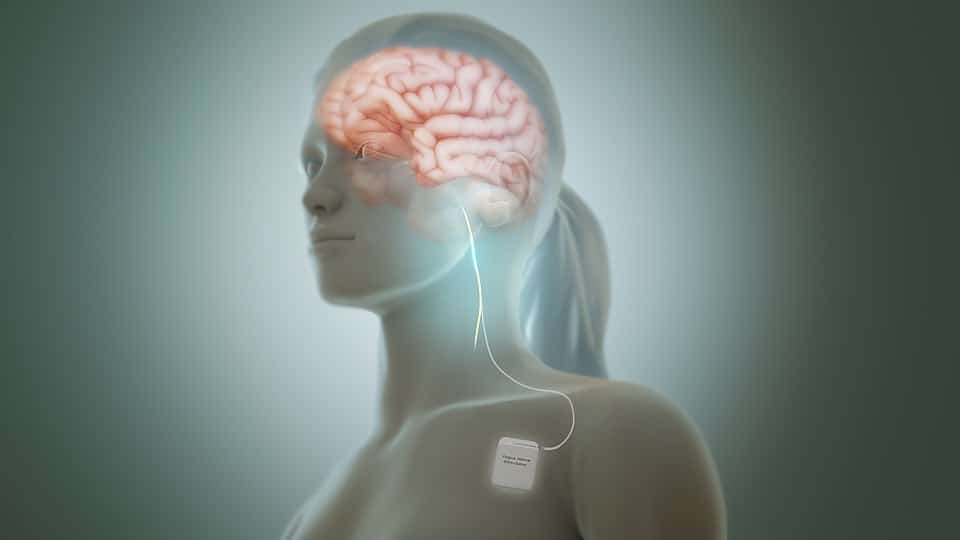
Vagus nerve dysfunction disrupts your body's natural stress recovery and emotional regulation systems, contributing to persistent anxiety, depression, and trauma responses, but evidence-based therapeutic approaches including polyvagal therapy and nervous system regulation techniques effectively restore healthy vagal tone and mental wellness.
What if the key to understanding your anxiety, depression, and stress recovery isn't in your brain, but in a nerve you've probably never heard of? The vagus nerve controls more of your mental health than you might imagine.
What is the vagus nerve? Anatomy made simple
Your body has a hidden communication superhighway running from your brain to your gut, and most people have never heard of it. The vagus nerve is the longest cranial nerve in your body, stretching from your brainstem all the way down through your neck, chest, and into your abdomen. Its name comes from the Latin word for “wandering,” which makes perfect sense once you understand how far this nerve travels and how many organs it touches along the way.
Picture two long, thin cords of nerve fibers, one on each side of your body. These branches travel alongside major blood vessels in your neck, tucked behind your carotid artery. From there, they branch out like tree roots, sending smaller fibers to your heart, lungs, stomach, intestines, and other vital organs. The vagus nerve’s location in the neck is particularly significant because this is where many therapeutic techniques target the nerve.
What makes the vagus nerve truly remarkable is its role as your body’s main parasympathetic controller. It manages your “rest and digest” functions: slowing your heart rate when you’re calm, triggering digestive processes after meals, regulating immune responses, and even influencing your mood. When your vagus nerve is working well, your body can shift smoothly between states of alertness and relaxation.
Here’s something that surprises most people: about 80% of vagal nerve fibers are afferent, meaning they carry information to the brain rather than from it. Your vagus nerve is constantly sending updates about what’s happening in your body, from your gut bacteria activity to your heart rhythm. Your brain isn’t just telling your body what to do. Your body is also telling your brain how it feels, and the vagus nerve is the primary messenger.
How the vagus nerve affects mental health
Your brain doesn’t operate in isolation. It’s constantly receiving signals from the rest of your body, and the vagus nerve serves as the primary messenger. This two-way communication system influences everything from your mood to how quickly you bounce back after a stressful day.
The vagus nerve, inflammation, and mood
One of the vagus nerve’s most critical jobs involves regulating your body’s inflammatory response. When the nerve functions well, it releases acetylcholine, a neurotransmitter that calms inflammation throughout your body. Chronic inflammation has been consistently linked to depression, which helps explain why some people with persistent low moods don’t respond to traditional treatments alone.
The vagus nerve also influences the production of key neurotransmitters in your gut, including serotonin and GABA. These chemicals play essential roles in mood regulation, sleep, and feelings of calm. When vagal function is compromised, the entire system can fall out of balance.
What is the connection between the vagus nerve and anxiety?
Your nervous system has two main modes: fight-or-flight and rest-and-digest. The vagus nerve is responsible for activating that second, calmer state. When it’s working properly, you can experience stress and then return to baseline relatively quickly. Your heart rate slows, your breathing deepens, and your body signals safety to your brain.
People with low vagal tone often struggle to make this shift. Their bodies stay stuck in a heightened state of alertness, which can manifest as persistent anxiety or even panic attacks. The vagus nerve and anxiety attacks are closely connected because poor vagal function means your body cannot send the “all clear” signal that helps you feel safe again.
Research has found that low vagal tone is associated with depression, PTSD, and difficulty recovering from stressful experiences. Vagal tone isn’t fixed, though. You can strengthen vagus nerve function through specific practices and lifestyle changes.
Understanding polyvagal theory: Your three nervous system states
If you’ve ever wondered why you can feel perfectly fine one moment and completely overwhelmed the next, polyvagal theory offers a compelling explanation. Developed by neuroscientist Dr. Stephen Porges, this framework describes three distinct states your nervous system moves between throughout the day. Each state shapes how you think, feel, and connect with others.
The vagus nerve acts as the primary regulator of these states, constantly scanning your environment for signals of safety or danger. Your nervous system makes these assessments automatically, often before your conscious mind catches up. Understanding which state you’re in can help explain why some coping strategies work beautifully on certain days and fall flat on others.
Ventral vagal: The safe and social state
This is your optimal state for mental health and wellbeing. When your ventral vagal system is active, you feel calm, present, and genuinely connected to the people around you. Your heart rate is steady, your breathing is relaxed, and your facial muscles naturally soften.
In this state, you can think clearly, solve problems creatively, and engage in meaningful conversations. You feel curious rather than threatened. Challenges seem manageable, and you have access to your full range of emotional responses. You can form and maintain healthy relationships because your nervous system signals that it’s safe to be vulnerable with others.
Sympathetic activation: Fight or flight
When your nervous system detects a threat, it shifts into sympathetic activation. Your heart pounds, muscles tense, and breathing becomes shallow and rapid. This is the anxious, agitated state most people recognize as stress.
In fight mode, you might feel irritable, defensive, or quick to anger. In flight mode, you experience the urge to escape, avoid, or withdraw from situations. Panic attacks, chronic anxiety, and persistent worry often reflect a nervous system stuck in this mobilized state. While this response evolved to protect you from immediate physical danger, it can become problematic when it activates in response to everyday stressors like work emails or social situations.
Dorsal vagal: Shutdown and freeze
When fight or flight feels impossible or ineffective, your nervous system may drop into its oldest survival response: shutdown. The dorsal vagal state brings numbness, disconnection, and a sense of collapse. You might feel foggy, exhausted, or emotionally flat.
This state often underlies symptoms of depression, dissociation, and chronic fatigue. People describe feeling frozen, stuck, or like they’re watching life from behind glass. It’s your body’s last-resort protection mechanism, designed to help you survive overwhelming situations by conserving energy and reducing awareness of pain.
Many trauma-informed approaches in therapy now focus on helping people recognize these states and build capacity to return to ventral vagal safety. Mental health symptoms often reflect which nervous system state has become your default setting. When you understand your patterns, you gain valuable insight into why certain interventions resonate with you while others miss the mark entirely.
Signs and symptoms of poor vagal tone
Your vagus nerve doesn’t come with warning lights or error messages. When it’s not functioning well, the signs show up across your entire system, often in ways that seem unrelated. You might not connect your digestive troubles to your anxiety, or your brain fog to your social discomfort. But they may all trace back to the same root: low vagal tone.
Physical signs
Poor vagal tone often shows up in your body first. You might notice persistent digestive issues like bloating, constipation, or a heavy feeling after eating. Your heart rate may run faster than normal, even at rest, or you might feel your heart pounding during minor stress. Some people experience difficulty swallowing or a sensation of tightness in the throat. Chronic inflammation can also signal vagal dysfunction, since the vagus nerve plays a key role in calming your body’s inflammatory response.
Emotional signs
When your vagus nerve isn’t working optimally, calming down after stress becomes genuinely difficult. Anxiety might feel less like worried thoughts and more like something trapped in your chest or stomach. You may swing between feeling overwhelmed and emotionally numb. That stuck quality to emotions, where they linger long after the trigger has passed, often points to vagal involvement.
Cognitive and social signs
Brain fog and difficulty concentrating are common with low vagal tone. You might feel disconnected from your surroundings, like you’re watching life through a window. Social situations can feel unusually draining or even threatening. Reading facial expressions becomes harder, and you may find yourself avoiding eye contact without knowing why. These responses happen because the vagus nerve helps regulate your sense of safety around others.
Slow recovery patterns
One of the clearest indicators of poor vagal tone is how long it takes you to bounce back. Whether it’s recovering from a cold, processing a stressful event, or returning to baseline after an argument, slow recovery suggests your nervous system struggles to shift back into rest mode. Tracking your recovery patterns can reveal a lot about your vagal health.
How to measure your vagal tone: the HRV guide
Heart rate variability (HRV) has become the gold standard for measuring vagal tone outside clinical settings. It’s accessible, trackable, and gives you real data about your nervous system’s flexibility.
HRV measures the tiny variations in time between each heartbeat. A healthy heart doesn’t beat like a metronome. Instead, it speeds up and slows down in response to your breathing, thoughts, and environment. This variability reflects how well your vagus nerve communicates with your heart.
What HRV numbers mean and how to interpret yours
Higher HRV generally indicates better vagal tone and greater stress resilience. Lower HRV often signals that your body is stuck in a more rigid stress response. The most relevant HRV metric for vagal function is called RMSSD (root mean square of successive differences), which specifically captures the parasympathetic influence on your heart rate. Here’s what typical RMSSD ranges look like:
- Ages 20-29: Women average 35-55 ms, men average 40-60 ms
- Ages 30-39: Women average 30-50 ms, men average 35-55 ms
- Ages 40-49: Women average 25-45 ms, men average 30-50 ms
- Ages 50+: Women average 20-40 ms, men average 25-45 ms
These are general benchmarks. Your personal baseline matters more than comparing yourself to population averages. Track your own trends over time rather than fixating on hitting a specific number.
Taking accurate HRV measurements
Consistency is everything when tracking HRV. Take your measurements first thing in the morning, before coffee or checking your phone. Your body is in its most neutral state after sleep, giving you the clearest picture of your baseline vagal function.
Use the same device and body position each time. Chest straps provide the most accurate readings, though finger sensors and smartwatches have improved significantly. Sit or lie down in the same position for at least one minute before recording. Several apps offer validated HRV tracking, including Elite HRV, HRV4Training, and the Oura Ring app. Many newer Apple Watches and Garmin devices also provide reliable RMSSD measurements.
Set realistic expectations for improvement. Expect 4 to 12 weeks of consistent vagal toning practices before seeing meaningful changes in your numbers. Your nervous system adapts gradually, not overnight.
Evidence-based ways to stimulate your vagus nerve
Vagal tone can genuinely be improved. The vagus nerve responds to specific activities and lifestyle choices, and with consistent practice, these techniques can help shift your baseline from chronic stress toward greater calm and resilience.
Breathing techniques for vagal activation
Your breath is the most direct way to communicate with your vagus nerve. Slow, deep breathing with extended exhales sends a clear signal to your nervous system that you’re safe. The key is making your exhale longer than your inhale, which activates the parasympathetic response.