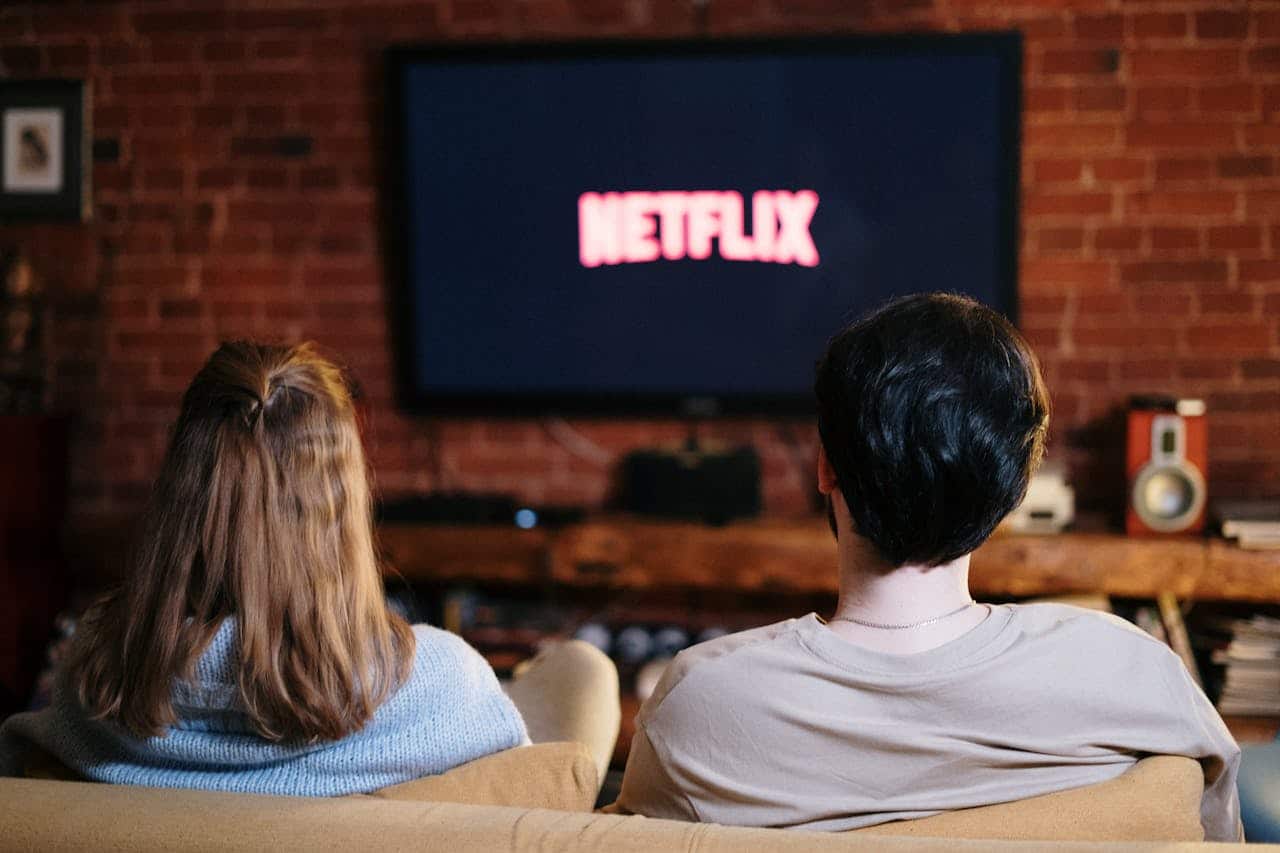
Parasocial relationships are one-sided emotional connections with media figures, celebrities, or fictional characters who don't know you exist, and while they can provide healthy comfort and community when supplementing real relationships, they become concerning when consistently replacing reciprocal human connections that support long-term emotional wellbeing.
Do you ever wonder if your attachment to that podcast host or YouTuber you follow religiously has crossed a line? Understanding parasocial relationships and their impact on your real-world connections can help you recognize when one-sided bonds enhance your life versus when they replace genuine human intimacy.
What is a parasocial relationship?
A parasocial relationship is a one-sided emotional connection you form with someone who doesn’t know you exist. This could be a celebrity, a YouTuber, a podcast host, a fictional character, or even a historical figure. You might feel like you genuinely know them, care about their wellbeing, and look forward to seeing them, yet the relationship flows entirely in one direction.
The parasocial relationships meaning goes deeper than simply being a fan. It’s the sense of intimacy and familiarity that develops when you repeatedly engage with someone through media. You learn their mannerisms, their humor, their values. Your brain starts processing this connection similarly to how it processes real friendships, even though there’s no mutual exchange.
Psychologists Donald Horton and Richard Wohl first introduced this concept in their 1956 research on mass communication. They noticed that television created an illusion of face-to-face interaction between performers and viewers. What they observed in the early days of TV has only intensified. Social media, livestreams, and vlogs now offer unprecedented access to public figures, making these bonds feel more personal than ever.
Parasocial relationships psychology reveals something important: these connections exist on a spectrum. On one end, you have casual enjoyment of a creator’s content. On the other end, there’s intense emotional dependency that affects daily functioning. Most people fall somewhere in the healthy middle.
Nearly everyone experiences some form of parasocial connection. Feeling excited when your favorite author releases a new book, grieving when a beloved actor passes away, or feeling comforted by a familiar TV show host are all common expressions of this phenomenon. These feelings don’t make you strange or unhealthy. They make you human. The key is understanding when these connections enhance your life versus when they might be filling gaps that real relationships could better address.
Common examples of parasocial relationships
Parasocial relationships show up in more places than you might expect. Once you understand what they look like, you’ll likely recognize a few in your own life.
Traditional media connections
The original types of parasocial relationships emerged through television. Think about the sitcom cast you’ve watched for years, the characters whose quirks and catchphrases feel as familiar as your own family’s. Research on soap opera characters shows that viewers often develop deep emotional investments in these fictional figures, mourning when characters die and celebrating their successes.
News anchors and late-night hosts create similar bonds. When someone delivers the news to you every evening or makes you laugh before bed each night, they start to feel like a trusted friend. You know their mannerisms, their sense of humor, their facial expressions when something surprises them.
Celebrity and public figure bonds
Parasocial relationship examples extend well beyond scripted television. Musicians, actors, and athletes cultivate connections with fans through interviews, documentaries, and behind-the-scenes content. You might feel like you truly know a singer after watching their concert film or reading their memoir. Athletes sharing their training routines and personal struggles can create a sense of intimate access that makes victories feel shared and losses feel personal.
Digital creators and the intimacy illusion
Parasocial relationships on social media are often the most intense. YouTubers address you directly through the camera. Twitch streamers read your comments in real time. TikTok creators share unpolished moments from their daily lives. Podcast hosts speak into your ears during your commute, their voices becoming a regular part of your routine.
Research suggests that live streaming platforms create unique parasocial dynamics because of their interactive elements and perceived authenticity. When a creator responds to your comment or seems to speak directly to you, the line between audience member and friend blurs significantly.
Fictional character attachments
Books, anime, and video games also foster these one-sided bonds. You might find yourself deeply attached to a novel’s protagonist, an anime character whose growth you’ve followed across seasons, or a video game hero you’ve guided through dozens of hours of gameplay. These connections feel real because you’ve invested time, attention, and emotion into these characters’ stories.
What makes some platforms create stronger bonds than others? Daily content, direct address to the audience, and perceived authenticity all play a role. The more someone feels like they’re letting you into their real life, the more connected you feel to them.
Why do people develop parasocial relationships?
The short answer: your brain is doing exactly what it evolved to do. Humans are evolutionarily wired for social connection, and our neural circuitry doesn’t always distinguish between someone sitting across from us and someone speaking to us through a screen. When a podcaster shares a vulnerable story or a YouTuber asks “What do you think?” your brain processes these moments as genuine social interaction.
This isn’t a glitch. It’s a feature of being human in a media-saturated world.
Parasocial relationships psychology draws heavily from attachment theory, which explains how we form emotional bonds throughout life. For people with insecure attachment styles, parasocial figures can serve as temporary attachment figures, offering a sense of connection that feels safer than unpredictable real-world relationships. A favorite streamer who shows up consistently every Tuesday night can provide the reliability someone might struggle to find elsewhere.
These one-sided connections also fulfill genuine social needs. They offer belonging when you’re part of a fandom community, entertainment during lonely evenings, and emotional regulation when a comforting voice helps you calm down after a hard day. Research on parasocial relationships in adolescent identity development shows they can even support identity exploration, letting young people try on different values and perspectives through the figures they admire.
Some people are more likely to form stronger parasocial attachments than others. Those experiencing social anxiety, introversion, or limited opportunities for in-person connection often find parasocial relationships a useful coping mechanism for unmet social needs. Major life transitions, like moving to a new city or going through a breakup, can also intensify these bonds.
Media design plays a role too. Algorithms serve you more content from creators you engage with, deepening familiarity over time. Creators themselves use parasocial interaction techniques: direct address, personal disclosure, and community language. These strategies aren’t necessarily manipulative, but they are intentional, and they work.
The parasocial-loneliness connection: what research actually shows
One of the most common questions about parasocial relationships is whether they signal loneliness or help relieve it. The honest answer? Both can be true, and neither tells the whole story. The relationship between parasocial bonds and loneliness is more nuanced than headlines often suggest.
Do lonely people seek parasocial bonds?
It makes intuitive sense that people experiencing loneliness might turn to media figures for connection. When real-world relationships feel scarce or unsatisfying, the reliable presence of a favorite podcaster or TV character offers something predictable and safe.
Some studies support this idea, showing that people with fewer social connections tend to form stronger attachments to media figures. Yet early research found no correlation between loneliness and parasocial intensity, suggesting the picture is more complicated than “lonely people watch more TV.” What seems to matter more than loneliness itself is how someone relates to media content and what emotional needs they’re trying to meet.
For some, parasocial relationships provide a low-stakes way to practice feeling connected. For others, they fill gaps during temporary periods of isolation. The motivation behind the bond matters as much as its intensity.
Can parasocial relationships reduce loneliness?
Research on parasocial relationships during COVID-19 isolation revealed something interesting: people who engaged with media figures during social distancing reported temporary relief from feelings of loneliness. Tuning into a favorite streamer or rewatching a beloved series provided genuine emotional comfort during an unprecedented period of disconnection.
Think of it as “social snacking.” Just like a handful of chips can take the edge off hunger, parasocial engagement can ease the ache of loneliness in the moment. It satisfies something real, even if it doesn’t provide the full nourishment of reciprocal human connection. This isn’t necessarily problematic. Sometimes you need a snack to get through the afternoon.
The comfort these bonds provide is genuine, not imaginary. Your brain responds to parasocial connection with some of the same feel-good neurochemistry triggered by real social interaction.
When parasocial bonds replace real connection
Whether parasocial relationships are healthy depends largely on whether they supplement your social life or substitute for it.
Using parasocial bonds to supplement real relationships looks like enjoying a podcast during your commute, then meeting friends for dinner. It’s finding comfort in a favorite YouTuber’s videos after a hard day, while still maintaining connections with family and coworkers. The media relationship adds to your life without crowding out human interaction.
Substitution becomes concerning when someone consistently chooses parasocial engagement over available real-world connection: skipping social invitations to watch streams, feeling more understood by a celebrity than by anyone in their actual life, or finding that media figures are their only source of emotional support. These patterns suggest parasocial bonds may be filling a role they weren’t designed for.
The key distinction isn’t intensity of feeling but pattern of behavior. Strong feelings about a media figure are normal. Relying exclusively on those feelings for your sense of connection is worth examining more closely.
Are parasocial relationships healthy?
Like most psychological phenomena, parasocial relationships aren’t inherently good or bad. Their impact on your well-being comes down to how they function in your life and whether they enhance or diminish your overall mental health.
Research on parasocial relationships and well-being shows these connections can have both positive and negative effects. When kept in perspective, they offer real psychological benefits. They can serve as tools for emotional regulation, helping you process difficult feelings through the safety of a one-sided connection. For adolescents, following musicians, athletes, or content creators often supports identity development as they figure out who they want to become.
Parasocial relationships as a coping mechanism can be genuinely valuable during challenging times. Someone recovering from surgery might find comfort in rewatching a favorite show. A person grieving a loss might turn to a podcast host whose voice feels familiar and soothing. During periods of isolation, whether from illness, relocation, or life circumstances, these connections provide a sense of companionship that can ease loneliness.
What are the effects of parasocial relationships?
The effects range from deeply beneficial to potentially harmful, depending on several factors.
Healthy parasocial engagement typically looks like this: you enjoy following someone’s work, feel a genuine connection, but maintain perspective on the one-sidedness. Your attachment brings you joy without causing distress. You still invest time and energy in real relationships with friends, family, and community.
Warning signs emerge when parasocial bonds start replacing real connections. These include spending so much time consuming content that you neglect in-person relationships, experiencing financial strain from purchasing merchandise or memberships, or feeling intense emotional dependency where a media figure’s actions significantly affect your mood.
Think of it like comfort food. Enjoying it occasionally can be soothing and perfectly fine. Relying on it as your only source of nourishment creates problems.
Signs a parasocial relationship has become unhealthy
In most cases, parasocial relationships can provide comfort, inspiration, and a sense of connection. But like any relationship pattern, they exist on a spectrum. When they start interfering with your daily functioning or emotional wellbeing, it’s worth taking a closer look.