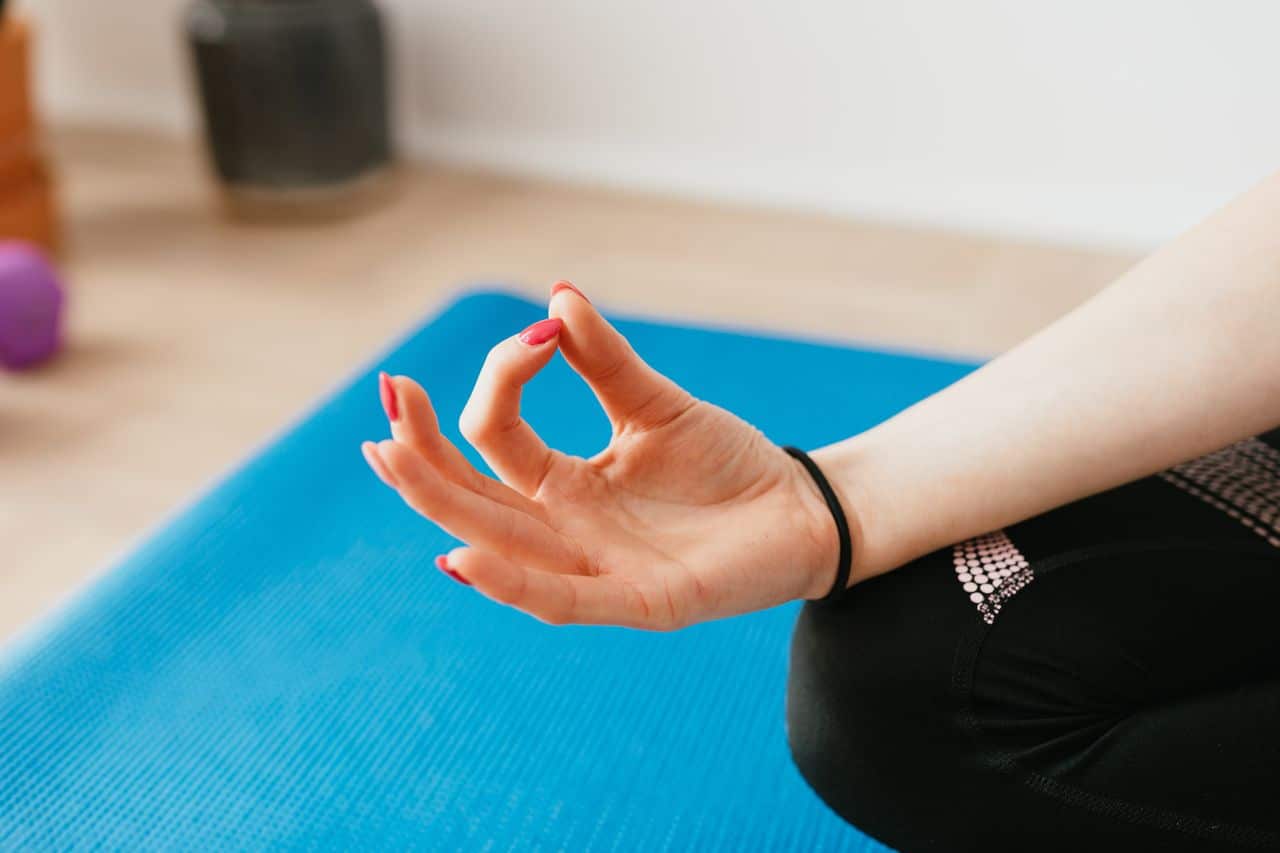
Stress relief methods backed by clinical research, including diaphragmatic breathing, aerobic exercise, and mindfulness-based stress reduction, produce measurable cortisol reduction and nervous system benefits, while widely used habits like venting, alcohol use, and passive scrolling have been shown to worsen stress outcomes, and persistent symptoms respond best to licensed therapeutic intervention.
What if the stress relief methods you reach for most - venting, scrolling, or unwinding with a drink - are actually making things worse? Some of the most popular coping habits get a failing grade from clinical research. This guide shows you what the evidence supports, and what quietly backfires.
The stress technique evidence scorecard: what research actually supports
Not all stress relief methods are created equal. Some have decades of replicated clinical trials behind them. Others feel helpful but have little controlled research to back them up, and a few have actually been shown to make stress worse. This scorecard rates 15 popular stress reduction techniques so you can make informed choices rather than guessing.
One clarification matters before diving in: evidence grade reflects research quality and consistency, not personal experience. A technique rated C may still help you as an individual. It simply means the controlled data is limited or mixed. A technique rated A has strong, replicated support from randomized controlled trials (RCTs), the gold standard in clinical research. Stress management is not one-size-fits-all, but knowing where the evidence stands helps you prioritize.
The grades below draw on a systematic review of stress management interventions and comparative effectiveness research on relaxation techniques, alongside published meta-analyses where Cohen’s d effect sizes are available. Cohen’s d is a standardized measure of how large an effect is: 0.2 is small, 0.5 is medium, and 0.8 or above is large.
The scorecard
- Aerobic exercise | Evidence grade: A | Effect size: d ≈ 0.60–0.80 | Study type: Meta-analysis | Time-to-effect: Immediate mood lift; long-term structural benefits at 8+ weeks | Best for: Chronic occupational stress, rumination
- Mindfulness-based stress reduction (MBSR) | Evidence grade: A | Effect size: d ≈ 0.50–0.70 | Study type: RCT and meta-analysis | Time-to-effect: Short-term (weeks); neural changes at 8+ weeks | Best for: Chronic stress, existential rumination
- Diaphragmatic (deep) breathing | Evidence grade: A | Effect size: d ≈ 0.50–0.60 | Study type: RCT | Time-to-effect: Immediate (seconds to minutes) | Best for: Acute situational stress
- Progressive muscle relaxation (PMR) | Evidence grade: A | Effect size: d ≈ 0.50 | Study type: RCT, comparative | Time-to-effect: Short-term (days to weeks) | Best for: Chronic occupational stress, physical tension
- Cyclic sighing (extended exhale breathing) | Evidence grade: B | Effect size: d ≈ 0.45 | Study type: RCT | Time-to-effect: Immediate | Best for: Acute situational stress
- Guided imagery | Evidence grade: B | Effect size: moderate | Study type: RCT, comparative | Time-to-effect: Short-term | Best for: Acute stress, procedural anxiety
- Cognitive behavioral therapy (CBT) techniques | Evidence grade: A | Effect size: d ≈ 0.70+ | Study type: Meta-analysis | Time-to-effect: Short- to long-term | Best for: Relational stress, chronic rumination
- Yoga | Evidence grade: B | Effect size: d ≈ 0.50 | Study type: RCT | Time-to-effect: Short-term | Best for: Chronic stress, mind-body tension
- Cold water exposure (brief) | Evidence grade: C | Effect size: limited data | Study type: Mechanistic, small RCT | Time-to-effect: Immediate | Best for: Acute stress, alertness reset
- Journaling (expressive writing) | Evidence grade: B | Effect size: small to moderate | Study type: RCT | Time-to-effect: Short-term | Best for: Relational stress, rumination
- Social support and connection | Evidence grade: A | Effect size: large (observational) | Study type: Longitudinal, observational | Time-to-effect: Short-term | Best for: Relational stress, existential stress
- Nature exposure (green space) | Evidence grade: B | Effect size: moderate | Study type: RCT, observational | Time-to-effect: Immediate to short-term | Best for: Acute situational stress
- Body scan meditation | Evidence grade: B | Effect size: moderate | Study type: RCT (often bundled with MBSR) | Time-to-effect: Short-term | Best for: Chronic stress, physical tension
- Venting (unstructured emotional release) | Evidence grade: F | Effect size: negative in some trials | Study type: RCT | Time-to-effect: May increase rumination | Best for: Not recommended as a primary strategy
- Alcohol use for stress relief | Evidence grade: F | Effect size: negative long-term | Study type: Longitudinal, RCT | Time-to-effect: Short-term perceived relief; long-term worsening | Best for: Contraindicated
- Passive social media scrolling | Evidence grade: F | Effect size: associated with increased stress markers | Study type: Observational, experimental | Time-to-effect: May worsen acute stress | Best for: Contraindicated
The F-rated methods above are covered in detail later, including why they feel helpful in the moment and what the research actually shows.
When you need to know how to relieve stress quickly, your breath is the fastest tool available. No equipment, no preparation, no waiting. The right breathing techniques for stress can shift your nervous system out of fight-or-flight mode within seconds, and the science behind why this works is more specific than most people realize.
Why breathing works: the vagus nerve connection
The key is your vagus nerve, the longest nerve in your autonomic nervous system and the primary pathway between your brain and your body’s calming response. When you extend your exhale longer than your inhale, you directly stimulate vagus nerve activation through controlled breathing, which increases parasympathetic tone. In plain terms, your heart rate slows, your muscles release tension, and your body begins dialing down cortisol production. This is not a relaxation trick; it is a measurable physiological shift. Diaphragmatic breathing reduces cortisol and blood pressure, making controlled breathing one of the few stress relief methods with direct hormonal evidence behind it.
Heart rate variability, or HRV, is the measure researchers use to track this change. HRV refers to the natural variation in time between your heartbeats, and higher HRV signals a more resilient, less stressed nervous system. Just five minutes of structured breathing produces measurable HRV changes. A single well-executed breath can interrupt an acute stress response in under 30 seconds.
Cyclic sighing: the top-ranked technique
A 2023 randomized controlled trial from Stanford researchers including Andrew Huberman and David Spiegel found that cyclic sighing outperformed mindfulness meditation for real-time mood improvement and HRV gains. The technique works by amplifying what your nervous system already does involuntarily. You have probably noticed your body taking a sudden deep double-breath during a stressful moment; that is a physiological sigh, your brain’s built-in reset mechanism. Cyclic sighing makes that process deliberate and repeatable.
- Take a full inhale through your nose.
- At the top of that inhale, sniff in a second, shorter breath to fully inflate your lungs.
- Release a long, slow exhale through your mouth until your lungs are empty.
- Repeat for one to five minutes, or use a single cycle to interrupt acute stress.
The double inhale fully recruits the small air sacs in your lungs that partially collapse during shallow stress breathing, and the extended exhale does the heavy lifting on vagus nerve stimulation.
Box breathing and 4-7-8 breathing as secondary options
Box breathing follows a 4-4-4-4 pattern: inhale for 4 counts, hold for 4, exhale for 4, hold for 4. It carries strong military and clinical backing and is particularly well suited for anticipatory anxiety, such as before a difficult conversation or a high-stakes presentation, rather than acute panic already in progress. The symmetrical structure gives your mind something deliberate to focus on, which helps interrupt rumination.
4-7-8 breathing (inhale for 4, hold for 7, exhale for 8) lacks the same rigorous RCT support as cyclic sighing, but the extended exhale gives it solid mechanistic plausibility and it has seen wide clinical adoption. If it works for you, the underlying physiology supports why.
All of these techniques sit within the broader framework of mindfulness-based stress reduction, which incorporates structured breathing as a core practice alongside other evidence-based tools for managing stress over time.
Physical exercise and movement for stress reduction
Of all the quick-relief strategies backed by science, physical activity for stress reduction stands out for the sheer weight of evidence behind it. Meta-analyses show that exercise produces a Cohen’s d effect size of roughly 0.60 to 0.80 on stress and anxiety outcomes, ranking it among the most well-supported interventions available. If you experience anxiety symptoms alongside stress, exercise is one of the first tools worth reaching for.
Aerobic vs. resistance training: not the same stress relief
Both aerobic exercise and resistance training lower cortisol, but they do so differently and at different timescales. Aerobic exercise, such as running, cycling, or swimming, produces stronger acute anxiolytic effects, meaning it works faster in the moment. Research confirms that even a single bout of exercise acutely improves mood, making it a reliable tool when stress hits suddenly. Resistance training, such as weightlifting or bodyweight circuits, tends to show stronger results for chronic stress and builds self-efficacy over time, which is the sense that you can handle what life throws at you.
The minimum effective dose
Research on aerobic exercise and well-being supports a clear dose-response pattern: 20 to 30 minutes of moderate-intensity aerobic exercise produces measurable changes in cortisol levels and mood. Benefits plateau around the 60-minute mark, so more is not automatically better. For people who cannot carve out a full session, bursts of just 5 to 10 minutes, such as a brisk walk around the block or a few flights of stairs, produce real acute stress reduction. Small doses of movement still count.
How exercise builds long-term stress resilience
Beyond immediate relief, regular exercise reshapes the brain over weeks. Physical activity triggers the release of BDNF, or brain-derived neurotrophic factor, a protein that supports the growth and repair of neurons. Over time, this process remodels the prefrontal cortex and hippocampus, the brain regions most involved in regulating stress responses. One important caveat: overtraining and compulsive exercise can spike cortisol and worsen stress rather than relieve it. Consistency at a sustainable intensity matters far more than pushing yourself to exhaustion.
Mindfulness and meditation: what the research timeline actually looks like
Mindfulness meditation for stress is widely recommended, yet the advice rarely includes a realistic picture of what meditation actually does, when it does it, and for whom it might not work at all.
There are two very different timelines at play. A single meditation session can improve mood and reduce rumination in the short term, and that effect is real. Structural brain changes, though, are a different matter. The landmark Hölzel et al. 2011 study found that gray matter density in the amygdala, the brain’s stress and fear processing center, decreased meaningfully only after an eight-week MBSR program. Thickening in the prefrontal cortex, the region tied to attention and emotional regulation, followed a similar timeline. These are not changes that happen over a weekend.
Mindfulness-Based Stress Reduction (MBSR) is a structured clinical protocol involving roughly 45 minutes of daily practice, including body scans, sitting meditation, and gentle yoga. Meta-analyses place its effect size on stress reduction at a Cohen’s d of approximately 0.50 to 0.70, a meaningful and clinically significant result, though slightly lower than what exercise research consistently produces. The gains reflect weeks of consistent, structured effort.
App-based meditation tools like Headspace and Calm are a reasonable starting point, and randomized controlled trials do show modest short-term mood improvements with regular use. What those trials have not shown is a replication of the structural neural changes seen in full MBSR protocols. A five-minute guided session before bed is not the same intervention, even if it feels calming.
One more consideration worth naming directly: meditation is not universally beneficial. A subset of practitioners, particularly people with PTSD or dissociative tendencies, report increased anxiety or trauma re-activation during practice. Turning attention inward in a quiet, unstructured space can surface difficult material without the support needed to process it. If you have a trauma history, starting mindfulness work alongside a licensed therapist is a safer approach.
Stress techniques that research says do not work
Some of the most common go-to habits actually make stress worse by amplifying the same physiological processes you are trying to calm. Understanding these stress myths can save you from reinforcing a cycle that feels helpful in the moment but leaves you more depleted afterward.
The catharsis myth: why venting makes stress worse
Popular belief: Letting it all out, whether by screaming into a pillow, venting to a friend, or punching something, releases built-up tension and helps you feel better.
What research actually shows: This idea, known as the catharsis hypothesis, is one of psychology’s most thoroughly debunked theories. Research by Bushman (2002) found that aggressive venting, such as hitting a punching bag while thinking about what is making you angry, actually increases physiological arousal and aggressive feelings rather than reducing them. Venting helps only minimally, and only when it involves problem-solving rather than emotional amplification. Ruminating out loud with someone who validates your anger tends to keep your nervous system in a heightened state, not a calmer one.
Try instead: Cyclic sighing or box breathing. These techniques directly lower heart rate and cortisol rather than sustaining the arousal cycle that venting creates.
Alcohol, comfort eating, and the cortisol rebound cycle
Popular belief: A glass of wine or your favorite comfort food takes the edge off after a hard day.
What research actually shows: Alcohol does suppress cortisol initially, which is exactly why it feels calming. The problem comes during metabolization. Research by Wemm and Wulfert (2017) documented a significant cortisol rebound spike as alcohol is processed, meaning your stress hormone levels end up higher than before you drank. Over time, regular use sensitizes the HPA axis, the brain-body system that regulates your stress response, raising your baseline stress reactivity even on days you do not drink.
Comfort eating follows a similar pattern. High-sugar and high-fat foods trigger a short dopamine spike, but the blood sugar crash that follows re-activates cortisol release. Research by Tomiyama and colleagues on cortisol-driven eating patterns shows this creates a feedback loop: stress drives eating, eating drives more cortisol, and cortisol drives more cravings.
Try instead: Cold water exposure and physical movement produce genuine cortisol reduction without the rebound effect. For the urge to eat, a short walk before reaching for comfort food can interrupt the cortisol-craving loop.
Popular belief: Zoning out on social media or treating yourself to something new is a harmless way to decompress.
What research actually shows: There is an important distinction between passive and active social media use. Passive consumption, meaning scrolling without interacting, is consistently linked to increased cortisol and negative mood. Research on problematic smartphone use found that stress tends to drive people toward screens rather than screens relieving stress, creating a loop where scrolling becomes a compulsive response that does not resolve the underlying tension.
Retail therapy works similarly. The dopamine spike from anticipating a purchase provides a brief lift, but post-purchase guilt and any added financial pressure compound the original stressor. This differs from intentional spending on experiences, which has separate positive evidence behind it.
Try instead: Replace passive scrolling with a five-minute active engagement, such as sending a message to someone you care about. Social connection, not social consumption, is what actually moves the needle on stress.
Which technique matches your stress response?
Not all stress looks the same, and that matters when choosing a relief technique. Your nervous system has two broad stress response patterns, and applying the wrong approach can actually make things worse.
Hyperarousal is what most people picture when they think of a fight-or-flight stress response: racing thoughts, muscle tension, irritability, and an inability to sit still. Shutdown feels like the opposite: numbness, exhaustion, brain fog, and a pull toward withdrawal. Both are stress responses, just different expressions of an overwhelmed nervous system.
If your stress response tends toward hyperarousal, techniques that activate the parasympathetic nervous system work best. Try cyclic sighing, extended exhale breathing, slow-paced yoga, or time in nature. These gently put the brakes on an overactivated system.
If you tend toward shutdown, you actually need gentle activation, not more calming. Brisk walking, splashing cold water on your face (which triggers the dive reflex, a physiological response that regulates heart rate), rhythmic bilateral movement like drumming or walking, and social interaction can all help lift you out of that flat, foggy state. Applying a calming technique when you are already in shutdown can deepen dissociation rather than relieve it.
Most people have a habitual pattern but may experience both depending on the stressor. Think of this as a starting framework for self-awareness, not a diagnosis.
When self-help is not enough: signs you need professional support
Quick stress relief techniques work well for acute stress tied to a specific trigger that fades once the situation resolves. Chronic stress is different. When stress becomes generalized, persistent, and unresponsive to self-management, that signals something your nervous system can no longer regulate on its own.
Knowing when to see a therapist for stress can make a real difference in your long-term health. Watch for these signs:
- Stress lasting more than two weeks with no improvement
- Sleep disruption most nights of the week
- Inability to keep up with work, school, or basic daily tasks
- Persistent physical symptoms such as chest tightness, chronic headaches, or gastrointestinal issues
- Using alcohol, substances, or other avoidance behaviors to cope
- Withdrawing from friends, family, or activities you used to enjoy
- Intrusive thoughts, flashbacks, or a constant sense of dread
If several of these feel familiar, it is not a failure of willpower. Prolonged stress can dysregulate the HPA axis, the brain-body system that controls your stress response, to a point where self-help techniques alone cannot restore your baseline. Licensed therapists are trained to identify whether your stress has crossed into clinical anxiety, burnout, PTSD, or depression, all of which respond best to structured treatment rather than self-directed coping. Professional psychotherapy is an evidence-backed, A-grade intervention for chronic stress, and reaching out is one of the most effective steps you can take.
Talking to a licensed therapist can help you build a personalized stress management plan. You can start with a free assessment on ReachLink at your own pace, with no commitment required.
You Already Know More About Your Stress Than You Think
Reading through the evidence behind these techniques, you may have recognized yourself in more than a few places: the habits that feel helpful but quietly make things harder, the moments when nothing seems to work, and the quiet exhaustion of trying to manage it all on your own. That recognition matters. Stress that has been running in the background for a long time has a way of becoming the new normal, and it takes real honesty to notice when self-help has reached its limit.
If what you have been experiencing feels bigger than any single technique can touch, that is not a sign you are doing something wrong. It may simply mean that talking to someone trained to help would make a meaningful difference. You can explore ReachLink’s free assessment at your own pace, with no commitment, and see whether working with a licensed therapist feels like the right next step for you.
FAQ
-
How do I know if my stress is normal or if something deeper is going on?
Stress is a normal response to life's demands, but it becomes a concern when it's persistent, overwhelming, or starts affecting your sleep, relationships, or ability to function day to day. Normal stress tends to ease up once a situation resolves, while deeper stress, such as anxiety or burnout, lingers even when circumstances improve. Physical symptoms like headaches, muscle tension, or digestive issues can also signal that your body is carrying more stress than it can handle on its own. Paying attention to how long your stress lasts and how much it disrupts your daily life is a good first step in understanding what kind of support you might need.
-
Does talking to a therapist actually help with stress, or is it just venting?
Therapy goes well beyond venting - it gives you tools to identify the root causes of your stress and change the patterns that keep it stuck. Approaches like Cognitive Behavioral Therapy (CBT) help you recognize and reframe unhelpful thought patterns that amplify stress, while methods like mindfulness-based therapy teach practical skills for regulating your nervous system. Research consistently shows that therapy produces lasting improvements in how people cope with stress, unlike temporary fixes that only address the surface. Working with a licensed therapist means you get a structured, personalized plan rather than generic advice.
-
What are some stress relief methods that seem helpful but actually make things worse?
Some go-to stress relievers, like scrolling social media, drinking alcohol, or avoiding the stressor altogether, can feel like relief in the moment but tend to increase stress over time. Avoidance in particular is a common backfire strategy - it prevents you from building the tolerance and problem-solving skills needed to actually resolve what's causing the stress. Alcohol disrupts sleep quality and can heighten anxiety the next day, creating a cycle that's hard to break. Recognizing that a coping method is backfiring is an important first step, and a therapist can help you replace these habits with strategies that produce real, lasting relief.
-
I think I'm ready to talk to someone about my stress - how do I find the right therapist?
Finding the right therapist can feel overwhelming, but starting with a platform that prioritizes thoughtful matching makes a big difference. ReachLink connects people with licensed therapists through human care coordinators, not automated algorithms, so the matching process takes into account your specific concerns, preferences, and schedule. You can begin with a free assessment to share what you're experiencing, and from there a coordinator will guide you toward a therapist who fits your needs. All of ReachLink's therapists are licensed professionals who specialize in evidence-based approaches like CBT and DBT, so you can feel confident you're getting qualified, therapy-focused care.
-
Can stress actually cause physical health problems, or is that just something people say?
Chronic stress has real, measurable effects on the body - it's not just a figure of speech. Prolonged stress activates the body's fight-or-flight response, which over time can contribute to issues like high blood pressure, weakened immune function, digestive problems, and sleep disturbances. The mind-body connection is well documented, and many people are surprised to find that addressing stress through therapy also reduces physical symptoms they'd been living with for years. If you're noticing physical complaints alongside emotional strain, it's worth talking to a licensed therapist about what's driving the stress and how to address it at the root.