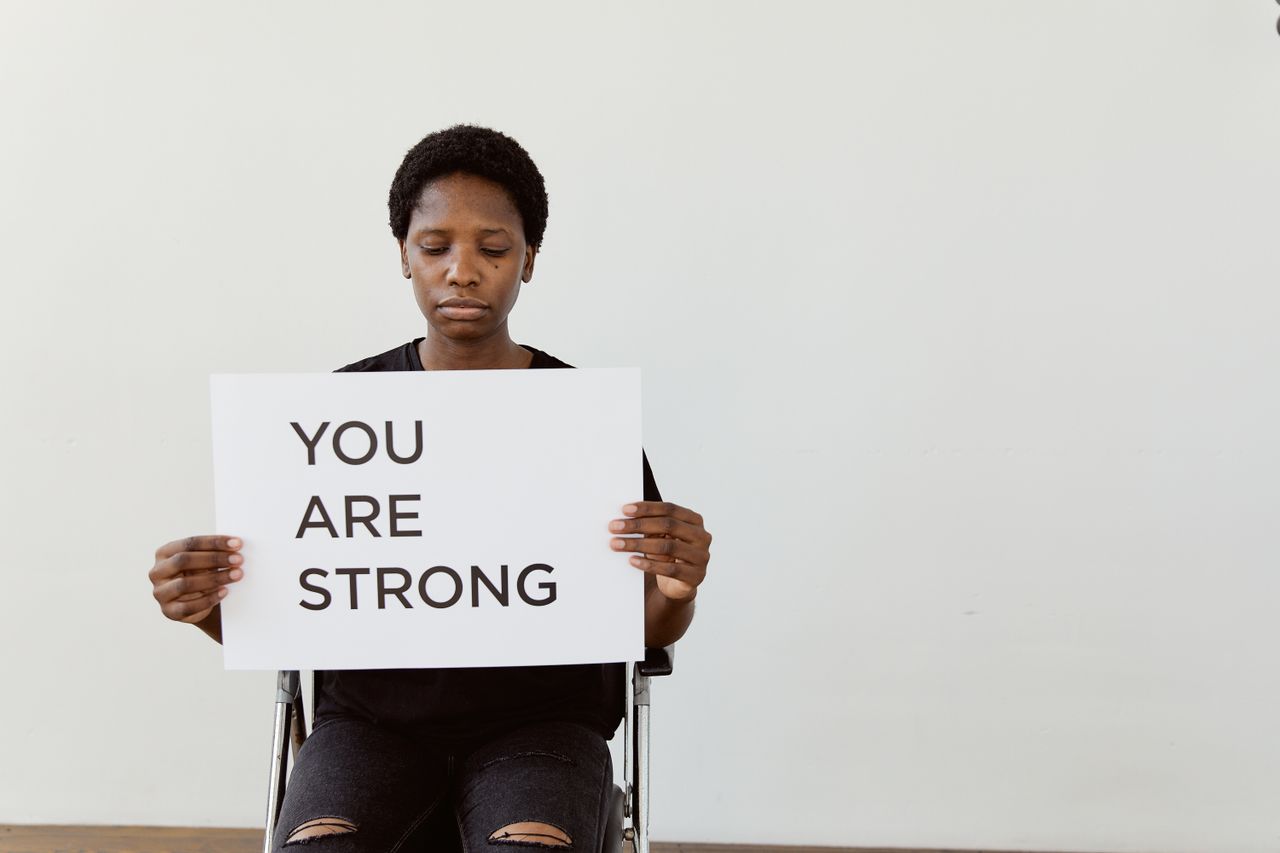
The family hero role is a childhood survival strategy, rooted in family systems theory, in which a child becomes the hyper-capable stabilizer of a dysfunctional household, and while it meets genuine psychological needs, it carries measurable long-term costs to identity, relationships, and nervous system health that evidence-based therapy can help adults identify and heal.
The most capable person in any family is often the one carrying the heaviest psychological burden. The family hero role is not a personality trait, it is a childhood trauma response, and it silently shapes every relationship, every achievement, and every moment you feel guilty for slowing down.
What is the family hero role?
The family hero is a role identified in family systems theory, first described by Sharon Wegscheider-Cruse in her research on alcoholic family systems. In families shaped by addiction, chaos, or chronic dysfunction, children often take on specific roles as a way to cope. The hero is the child who responds by becoming the competent one: responsible, high-achieving, and seemingly unshakeable. From the outside, this child looks like a success story.
But the role is not really about success. It is about survival. The hero learns early that if they hold it together, the family feels more stable. No one assigns this role out loud. The family system shapes it quietly, through what gets praised, what gets ignored, and what the child learns to believe is their job. Over time, hyper-competence stops being a choice and becomes a reflex.
While the framework originated in addiction research, it applies to any family system under sustained pressure. Families navigating mental illness, emotional neglect, or unprocessed intergenerational trauma can produce the same dynamic. In each case, the hero role emerges as a childhood trauma response, a way of adapting to an environment where a child’s emotional needs consistently came second.
It is also worth separating the hero from simply being a driven or high-achieving kid. The difference lies in function. A high achiever pursues goals because they want to. The family hero pursues them because, on some level, they feel they have to.
Why the family develops a hero: the function the role serves for the system
Families, like any system, resist change. In Bowen’s family systems theory, every member’s behavior serves a purpose that keeps the family in a kind of equilibrium, what therapists call homeostasis. When a family carries unresolved pain, conflict, or traumatic disorders, that instability creates pressure. Someone has to hold things together. The hero steps in to fill that gap, not because they chose to, but because the system needed them to.
Think of the hero as the family’s external résumé. Their straight A’s, their composure at the dinner table, their reliability in a crisis: these become proof, offered to the outside world and to the family itself, that everything is fine. The more polished the hero looks, the less anyone has to examine what is actually happening behind closed doors. Dysfunction gets minimized because the evidence against it is standing right there, holding a trophy.
This creates a quiet paradox at the center of the role. The better you perform, the less pressure there is for the family to change. Your competence becomes a shield against collective accountability. Every gold star you earn is, without anyone meaning it to be, a reason for the system to stay exactly as it is.
The role holds because it comes with rewards. Praise, trust, emotional closeness: these flow toward the hero, but only when performance continues. That conditional reinforcement makes the role feel like a natural fit, even a privilege. What it actually is, is coercion dressed in approval.
Signs you are the family hero
Recognizing yourself in a role you never consciously chose can feel disorienting. The signs below are not a judgment. They are a mirror.
Behavioral signs
You volunteer for emotional labor before anyone asks. You are the one who remembers everyone’s appointments, mediates arguments, and quietly handles the crisis before others even register there is one. Delegating feels harder than just doing it yourself, so you rarely try. You plan compulsively, because a controlled environment feels like the only safe one.
Emotional signs
Resting makes you feel guilty. Stillness triggers anxiety, as if your value evaporates the moment you stop being useful. You dread being seen as needy or incompetent, even by people who love you. And despite real, visible accomplishments, something underneath whispers that you are faking it. That sense of fraudulence alongside relentless over-achievement is a hallmark of low self-esteem wearing a very convincing disguise.
Relational signs
Look at the people closest to you. Do they tend to need fixing, rescuing, or stabilizing? When someone offers you care, does it feel uncomfortable, almost suspicious? Many family heroes build relationships structured around their usefulness rather than their presence. The friendship where you are always the advice-giver. The partnership where you are always the steady one. Being needed keeps you close to people, but it also keeps you at arm’s length from genuine connection.
The sign hiding inside this list
If you have read through the points above and thought, “but that’s just who I am,” that reaction is worth pausing on. When a role has been held long enough, it stops feeling like a role. It feels like a personality, a core truth about yourself. That is not a character flaw. It is what happens when an adaptation runs so deep, so early, that it becomes invisible. Noticing it, even for a moment, is where everything starts to shift.
The meaning trap: why you cannot just stop being the hero
Most people assume the family hero stays in their role out of fear, guilt, or habit. That explanation is too simple, and it is why so much well-meaning advice falls flat. The deeper lock is this: the role actually works. It gives you real purpose, a clear sense of competence, and a coherent identity. Those are not small things. According to self-determination theory, developed by psychologists Edward Deci and Richard Ryan, competence, autonomy, and relatedness are the three core needs driving human motivation. The hero role meets all three at once.
Consider what the role delivers. Autonomy: I can handle this. Competence: I am good at this. Relatedness: people need me. When a single pattern satisfies all three fundamental psychological needs simultaneously, it becomes one of the most reinforced behavioral patterns a person can develop. That is not weakness. That is the trap working exactly as designed.
The competence loop: how being good at the role makes it invisible
Because you are genuinely skilled at managing chaos and holding things together, the coping strategy stops looking like a coping strategy. It looks like a personality trait. Friends admire your reliability. Colleagues call you the dependable one. Even therapists can miss it, because the symptom keeps getting rewarded rather than questioned.
This is the competence loop: the better you are at the role, the more invisible it becomes as a problem. You do not look like someone who is struggling. You look like someone who has it together. And that admiration becomes its own form of reinforcement, pulling you deeper into a pattern that is slowly costing you.
This is exactly why advice like “just set limits” or “learn to say no” tends to fail people in this role. You are not being asked to change a behavior. You are being asked to dismantle your primary source of meaning without anything waiting to replace it.
Identity foreclosure: when there is no “real you” to go back to
Psychologist James Marcia described a concept called identity foreclosure: committing to an identity before ever exploring alternatives. For the family hero, the role was assigned early, often in childhood, before there was any chance to ask who do I want to be? So the comforting idea that there is a “real you” hidden underneath the hero role, just waiting to be uncovered, is not quite accurate.
The identity does not need to be uncovered. It needs to be constructed, often for the first time. That is a fundamentally different therapeutic task, and a harder one. When the hero role begins to break down, whether through burnout, relationship rupture, or a life transition that removes the crisis to manage, the psychological scaffolding holding everything together can collapse. That collapse frequently gives way to mood disorders, because the entire structure of meaning and self-concept comes down at once. Understanding that risk is not a reason to avoid the work. It is a reason to do it with proper support.
The emotional and physical costs of always being the capable one
Being the family hero is not just exhausting. It rewires you at a neurological level, shapes every relationship you form as an adult, and leaves a specific kind of emptiness when the role finally starts to crack. These are not vague emotional consequences. They are documented, patterned, and traceable back to a nervous system that learned to survive by staying useful.
What the hero role costs at the body level
The hero’s nervous system learned something early: vigilance equals love. Staying alert, anticipating problems, and holding things together was how you earned safety and connection. Over time, that state of chronic hypervigilance stops feeling like a stress response and starts feeling like a personality trait. You tell yourself you are just a light sleeper, or that you have always had a sensitive stomach. These feel like quirks. They are often trauma-adapted nervous system states that never got to resolve.
One of the more disorienting patterns is when physical symptoms appear only after the hero slows down. Autoimmune flares, chronic pain, and GI dysfunction frequently emerge during sabbaticals, retirements, or major life transitions. The body was never in a safe enough state to signal distress while the role was active. Rest, paradoxically, is when the bill arrives. Research on family conflict and adolescent emotional well-being shows that chronic exposure to family dysfunction produces measurable emotional and mood consequences in children, establishing early how deeply the environment shapes the developing nervous system.
How the hero replicates the family pattern in every relationship
Adult relationships do not start fresh for the family hero. The relational template was set long before conscious choice was possible, so the hero tends to recreate the same structure in new settings. Partners who need managing, friendships organized around being needed, workplaces where the hero becomes the indispensable fixer: these are not poor decisions. They are the gravitational pull of a pattern that feels like home because it literally was home.
This replication is unconscious and automatic. The hero is not choosing dysfunction. They are choosing familiarity, and the two can look identical from the outside.
The existential emptiness when the role breaks down
When burnout, a major life transition, or a shift in the family system disrupts the hero role, what follows is rarely relief. It is closer to a terrifying void. Without the role, a single question surfaces with uncomfortable force: who am I if no one needs me to hold it together?
This is worth distinguishing from depression. It is an identity crisis specific to role dissolution, not a mood disorder. The structure that organized the hero’s sense of self has collapsed, and nothing has replaced it yet. Burnout compounds this in a particular way. Unlike occupational burnout, the family hero’s collapse carries the weight of perceived moral failure. Stopping feels dangerous because the belief is that people will get hurt if you do. Rest itself triggers guilt, and that guilt is what makes recovery structurally harder for heroes than for almost anyone else.
How the family hero role follows you into adulthood
The family hero role does not retire when you leave home. It travels with you, quietly restructuring every major domain of your adult life until the pattern feels less like a role and more like a personality.
At work, in relationships, and in how you see yourself
At work, the hero becomes the employee who absorbs extra responsibilities without being asked, never pushes back on unreasonable requests, and gets promoted for being indispensable. That recognition feels good, briefly. Then the resentment sets in, because you engineered a version of success that costs you constantly and was never quite what you wanted.