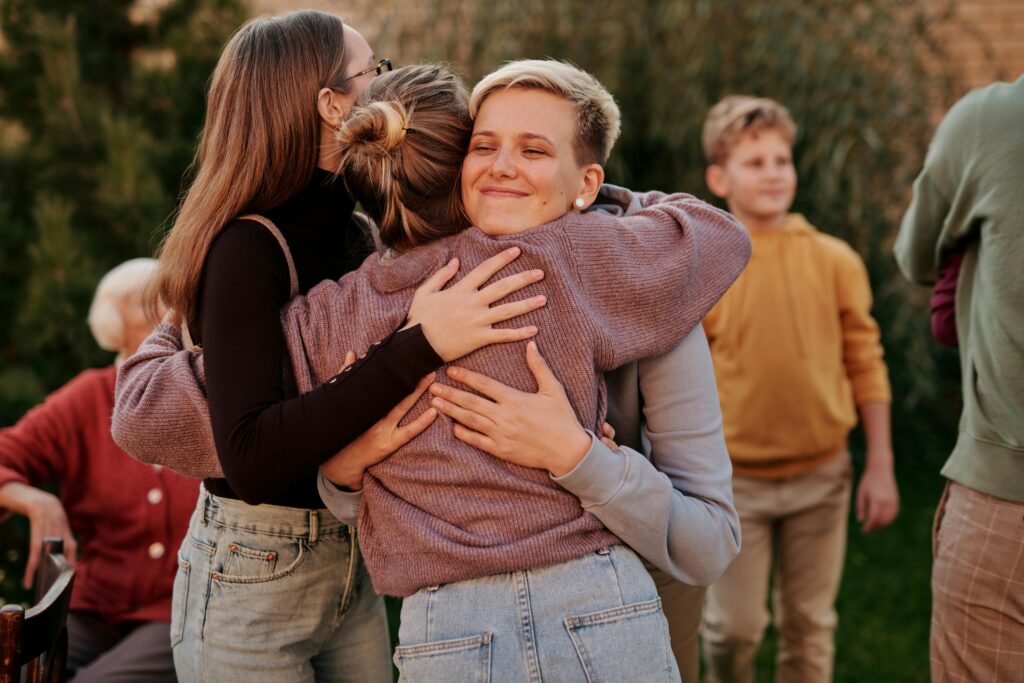
Multigenerational care for mental health challenges combines multiple generations in support systems through family caregiving and intergenerational programs, providing evidence-based benefits including reduced isolation, improved well-being, and shared responsibilities, while requiring strategic therapeutic approaches to address unique family dynamics and caregiver stress.
Ever feel like supporting a family member's mental health falls entirely on your shoulders? Multigenerational care offers a different approach—one where families and communities share the load, creating benefits for everyone involved.
Multigenerational Care For Individuals with Mental Health Challenges: Potential Benefits And Challenges
Mental health challenges often require increasing levels of support over time, especially for conditions that may worsen without proper intervention. Multigenerational care for those with mental health concerns occurs when more than one generation of individuals is involved in the support system. This can manifest as in-home care in a household where multiple generations live or participation in enrichment activities involving people of various ages, such as community-based support groups.
Both approaches may offer benefits to everyone involved. However, multigenerational caregiving—particularly when all participants are under the same roof—can also pose certain challenges. Read on to learn more about common benefits and difficulties of multigenerational care for people with mental health challenges.
Intergenerational programs for individuals with mental health concerns
Intergenerational programs (IPs) aim to offer strategies for social engagement that promote cooperation and interaction among individuals of two or more generations. They can take almost any form, from art therapy groups to outdoor activities to wellness workshops. Virtually any type of activity designed for enrichment that involves close participation between members of different generations can qualify as an IP.
Potential benefits of IPs for individuals with mental health challenges
Research suggests that people with mental health challenges who participate in intergenerational programs may experience an improved sense of well-being, belonging, and self-esteem.
In addition, studies evaluating the effectiveness of participation in intergenerational programs for individuals with mental health concerns have found the following benefits:
- Increased happiness
- Reduced feelings of isolation
- Reduced anxiety
- Improved quality of life
- Better communication abilities
- Increased stability of their overall mental health condition
Plus, IPs can act as a source of social interaction, which can be crucial for overall well-being. Loneliness is a risk factor for developing or worsening mental health conditions, and studies suggest that social interaction may even help improve cognitive function in individuals with various mental health challenges.
Potential benefits of IPs for younger individuals
Children and young adults generally may lack understanding and empathy for those with mental health challenges, so increasing these two factors is one aim and potential benefit of intergenerational programs. Spending time with individuals experiencing mental health difficulties may reduce misconceptions about these conditions and help younger people build empathy for those affected. They may also build stronger social and communication skills and enjoy other possible benefits of social interaction in general.
Intergenerational family caregiving for those with mental health challenges
According to statistics, individuals with mental health challenges are primarily supported by family members or friends. Many will provide care and support for four years or more, which underscores the need for attention to caregiver health and well-being.
Demands associated with supporting someone with mental health challenges over the longer term may raise the risk of depression, anxiety, burnout, and stress-related conditions and negatively impact one’s quality of life. That’s why attention must be paid to caregiver health and well-being, and another reason why multigenerational caregiving may be beneficial for all involved.
Potential benefits of multigenerational mental health caregiving
In addition to providing regular social interaction for all members, including the person with mental health challenges, and increasing empathy and learning from each other, multigenerational households may help distribute care responsibilities. Instead of all the individual’s support needs falling on one person, multiple family members living at home may be able to pitch in. Responsibilities can be divided up more equally, emotional support may be more readily available, and free respite care from other family members can provide primary caregivers with necessary breaks often.
Research also suggests that “older adults from multigenerational households had, on average, higher levels of cognitive functioning relative to those from two-parent households,” although the findings did not apply to rates of cognitive decline.
Potential challenges of multigenerational mental health caregiving
Despite the potential benefits, supporting an individual with mental health challenges in a multigenerational household can have its difficulties as well. Common challenges may include having little time alone and experiencing family disagreements about issues relating to the person’s care.