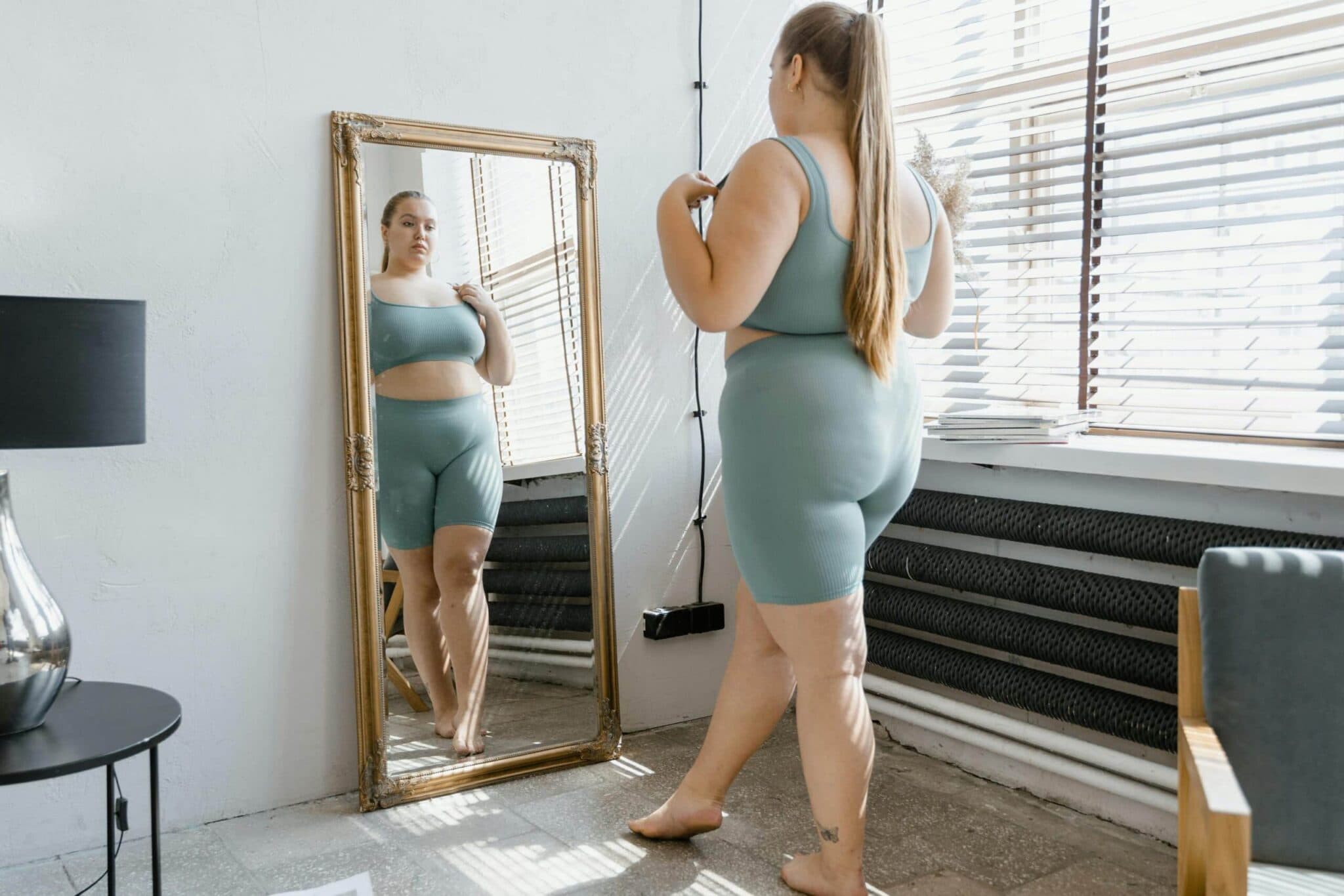
Eating disorders significantly impact self-worth through a clinically documented cycle where negative body image and low self-esteem reinforce each other, but evidence-based therapeutic interventions can effectively break this pattern by addressing underlying psychological factors and building sustainable recovery strategies.
Ever notice how your relationship with body image seems to echo your deepest feelings about yourself? While the mirror may whisper doubts, understanding the connection between self-worth and eating patterns can illuminate your path to healing—and our therapeutic insights will show you how to rebuild a foundation of genuine self-acceptance.
The Complex Relationship Between Body Image, Eating Disorders, and Self-Worth
Eating disorders (EDs) are multifaceted mental health conditions that profoundly impact an individual’s sense of self, often originating from deep-rooted feelings of inadequacy, distorted self-perception, and unrealistic standards fueled by both internal and external pressures. Low self-worth consistently appears as a defining characteristic across various eating disorders and represents a significant risk factor in their development.
In this article, we’ll examine the intricate connection between eating disorders and self-esteem, highlighting key research findings, exploring contributing factors, and offering strategies for enhancing self-worth during recovery. This guide aims to provide a deeper understanding of how self-esteem and eating disorders interact and how addressing these underlying issues plays a crucial role in the healing process.
Understanding eating disorders and their psychological foundations
Eating disorders such as anorexia nervosa and bulimia nervosa involve unhealthy relationships with food alongside complex body image challenges. Negative self-perception can drive individuals toward extreme eating behaviors, which often further diminishes their sense of self-worth.
Breaking this negative cycle is fundamental to effective treatment. Mental health professionals at ReachLink who specialize in eating disorders focus on therapeutic approaches that build self-esteem and foster healthier thought patterns. Developing positive self-worth at each developmental stage can also serve as an effective preventive measure for parents, educators, and caregivers seeking to reduce eating disorder risk in young people.
Research insights on eating disorders and self-esteem
Peer-reviewed studies consistently demonstrate a strong correlation between eating disorders and low self-esteem levels. This connection may exist because diminished self-worth can lead to distorted thinking patterns that subsequently trigger disordered eating behaviors. Here are several significant findings from recent research:
1. Low self-esteem significantly increases ED risk
Comprehensive meta-analyses combining results from multiple studies suggest that individuals—particularly young women and girls—with lower self-esteem face a higher likelihood of developing eating disorders. This consistent correlation indicates that low self-esteem serves as a meaningful risk factor across various types of eating disorders.
2. Self-esteem issues and eating disorders create a reinforcing cycle
Another critical finding reveals that low self-esteem and eating disorders typically exacerbate each other. Diminished self-worth can lead to unhealthy eating behaviors, which subsequently further erode self-esteem. Therapeutic interventions that enhance confidence and self-worth can effectively disrupt this cycle, helping to prevent or reduce the severity of eating disorder symptoms.
3. Young women with low self-esteem and reduced life satisfaction face elevated risk
Young women and girls experiencing low self-esteem combined with general life dissatisfaction may face heightened vulnerability to eating disorders. While men typically report greater satisfaction with their weight and appearance, women more commonly experience body dissatisfaction and related eating disorders. Lower overall life satisfaction further increases the probability of developing these conditions.
Contributing factors and risk elements
Self-esteem challenges and eating disorders rarely emerge in isolation. Understanding the underlying factors that may increase vulnerability to both low self-worth and eating disorders can provide valuable context. Here are several influences that can impact self-esteem and potentially contribute to eating disorder development:
Co-occurring mental health conditions
Eating disorders frequently appear alongside other mental health challenges. Anxiety disorders and depression are particularly common among those with EDs, and these conditions can further undermine self-esteem. Obsessive-compulsive disorder (OCD) represents another risk factor for developing eating disorders, as compulsive behaviors and obsessive thought patterns can contribute to unhealthy eating habits and negative body perception.
Personality characteristics
Certain personality traits, particularly perfectionism and neuroticism, may increase vulnerability to eating disorders. Individuals with perfectionist tendencies often establish unattainable standards for themselves, inevitably leading to self-criticism and diminished self-worth. Similarly, neuroticism can make people more susceptible to stress and negative self-perception, further intensifying eating disorder symptoms.
Psychological mechanisms
Specific cognitive biases can impact self-esteem and contribute to unhealthy relationships with food. Attentional bias may cause excessive focus on food-related stimuli or body image concerns. Memory bias might lead someone to selectively recall experiences that reinforce negative self-perception. Judgment bias can result in distorted evaluations of one’s body or eating patterns.
Early adverse experiences
Research indicates that adverse childhood experiences including abuse, neglect, and other forms of trauma strongly correlate with the development of low self-esteem and eating disorders later in life. These formative experiences can create deep-seated feelings of worthlessness and distorted self-perception, increasing vulnerability to disordered eating as a coping mechanism.
Social influence and peer dynamics
Social pressure, especially during adolescence, can significantly impact self-esteem development and eating disorder risk. The desire to conform to peer expectations or meet societal beauty standards can drive individuals toward unhealthy eating behaviors. Constant comparison with peers can intensify feelings of inadequacy, fueling disordered eating patterns.