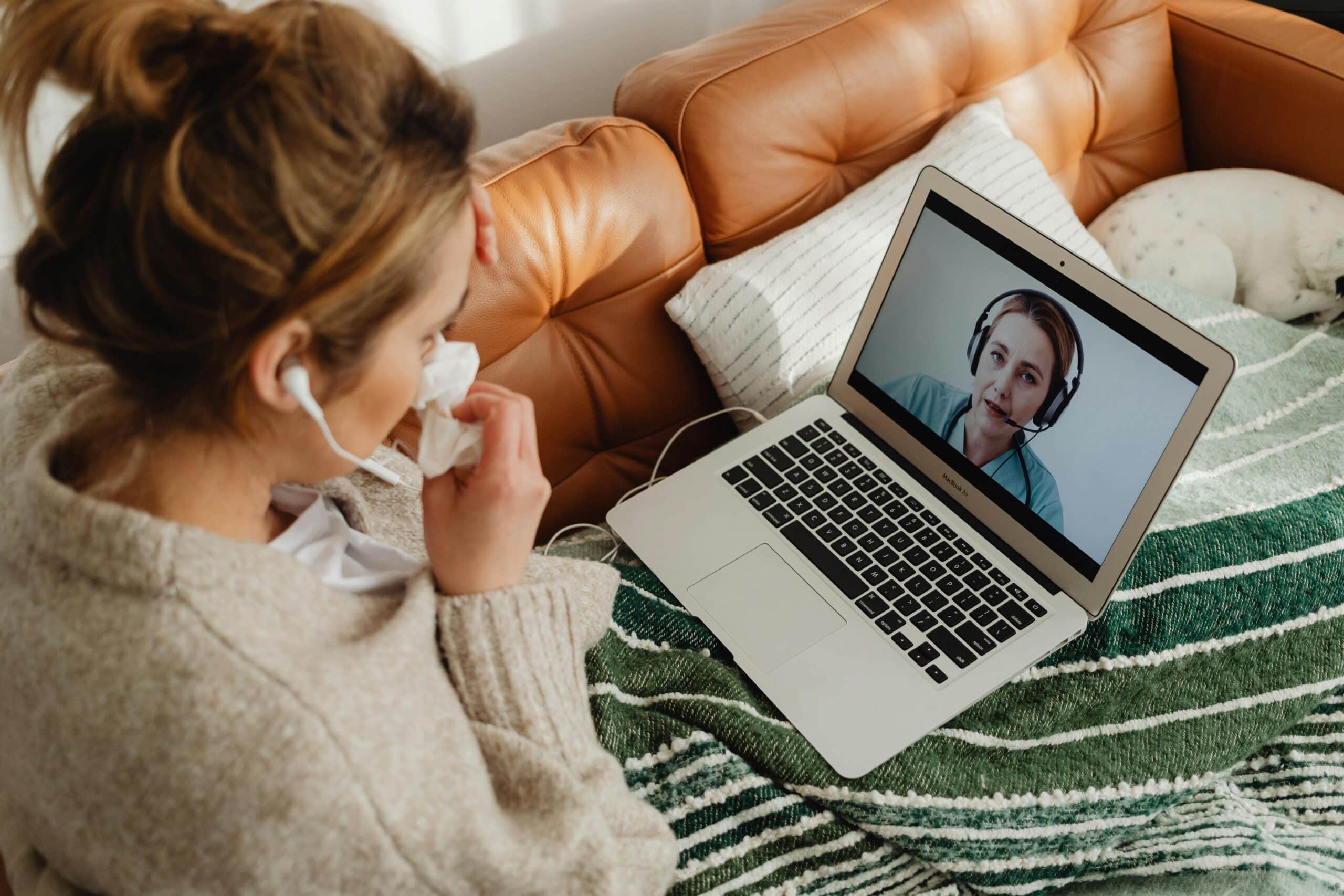
Feeling overwhelmed by life’s challenges? Virtual therapy offers a convenient way to access professional support from your own home. Discover how this innovative approach can empower you to tackle anxiety, depression, and more, bringing compassionate guidance right to your fingertips.
How Does Virtual Therapy Work for Mental Health Support?
Technology in mental health therapy represents a significant advancement driven by the need to overcome barriers to care. Virtual therapeutic approaches show promise in improving accessibility and effectiveness of treatment for various mental health concerns. These innovative methods focus on providing supportive interactions to promote behavior change, develop coping skills, and address conditions like chronic pain, anxiety, or depression.
The integration of technology into therapy has expanded dramatically in recent years, enabling more people worldwide to access the mental health counseling they need. If you’re experiencing emotional concerns or mental health challenges, help is available through various services facilitated by modern technology. Below, we’ll explore how people are accessing therapeutic support, couples counseling, and group therapy from the comfort of their own homes.
History of remote therapy and counseling
While it may seem like a recent innovation, therapy and counseling services first ventured beyond the traditional office setting as far back as 1972. That year marked the first experiments in computer-facilitated psychotherapy communications. By 1986, «Dear Uncle Ezra» was providing mental health advice online, and by 1993, online depression support groups were forming, offering community-based mental wellness resources.
However, these early technological approaches to counseling raised ethical questions. Mental health chatbots and internet chat rooms of that era weren’t generally operated or monitored by licensed professionals.
Initial skepticism
In recent years, online medical and psychological services have gained wider acceptance. Clients can now receive guidance from licensed clinical social workers who can provide therapeutic support. With widespread adoption of online payments and videoconferencing for business, technology-enabled counseling makes more sense to both clients and mental health providers.
People initially questioned how traditional therapeutic approaches could transfer effectively to virtual environments. However, as digital communication became normalized in our daily routines, both professionals and clients began recognizing the benefits of online services for communication and appointment scheduling.
Family therapy & other types of online therapy used by mental health professionals
Virtual therapy and counseling options have emerged as cost-effective and convenient alternatives to traditional in-person sessions. While online therapy may not suit everyone, its accessibility and convenience are key factors in its growing popularity.
Family therapy, CBT, and other types of online therapy
Thanks to technology, licensed clinical social workers can offer support to individuals, couples, and families through various therapeutic approaches, including family therapy, dialectical behavioral therapy, cognitive behavioral therapy, and family systems work. Advancements in mental health technology have created new ways for clients and their providers to interact effectively.
Ways to communicate with a therapist
Today, you can communicate with a licensed clinical social worker via phone, videoconferencing, and online chat—or a combination of all three methods. For example, with ReachLink, you can use messaging features to share thoughts or questions between sessions, and your therapist will respond as soon as possible.
Online talk therapy advantages for various mental health concerns
Virtual therapy can be particularly beneficial for people in rural areas or regions with limited access to mental health professionals. For these individuals, commuting to a therapist’s office while balancing work and family responsibilities can be challenging. Online therapy offers affordable rates and a broader selection of counselors. Through technology, licensed clinical social workers can even provide long-distance counseling for couples or families living in different locations. This approach also benefits professionals with appropriate licensure who wish to offer services without the overhead costs of office space or commuting expenses.
More convenient way to address mental health conditions
Individuals experiencing depression, anxiety, or other mental health conditions have a more accessible way to attend therapy sessions. For someone dealing with depression who feels fatigued and overwhelmed, leaving the house to attend an appointment can be difficult. Virtual sessions with a licensed clinical social worker can provide support without the added stress of commuting.