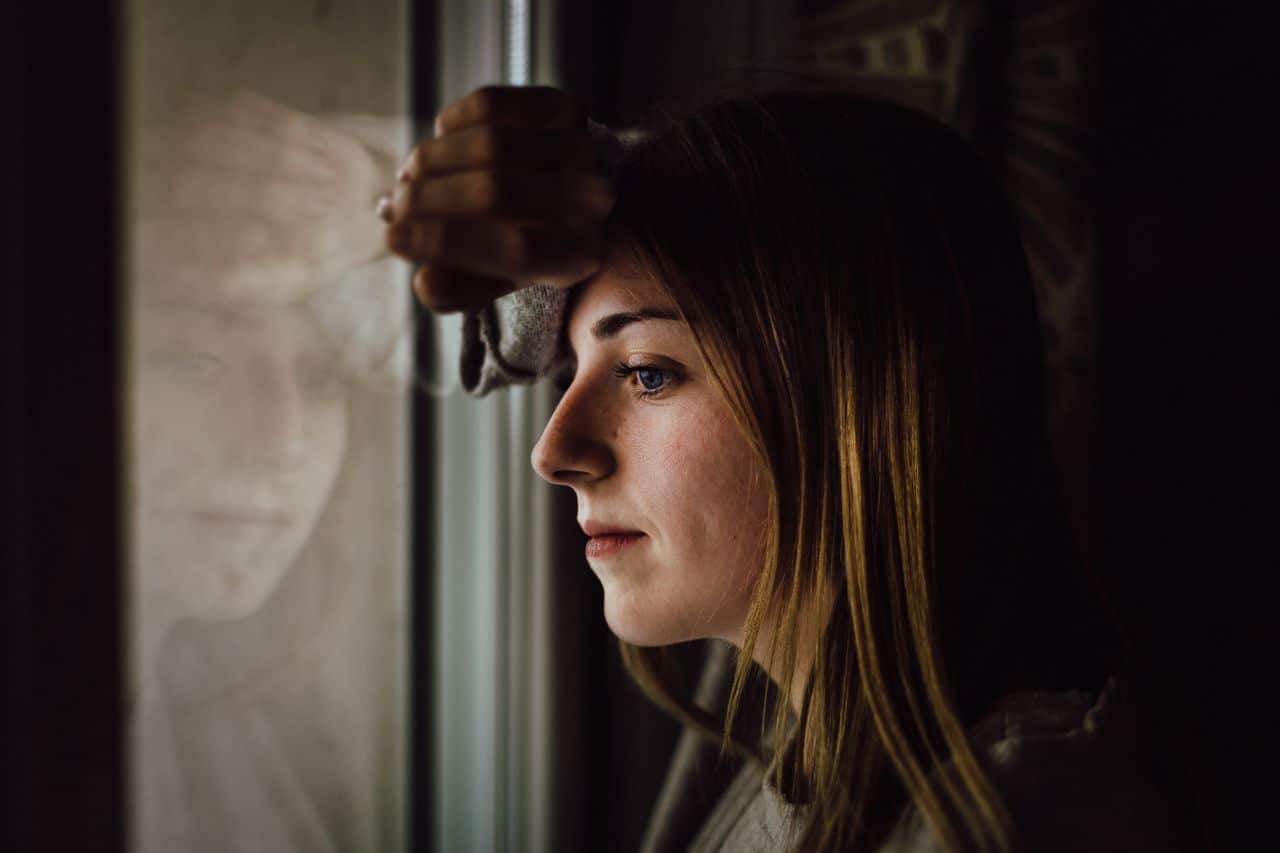
Anxiety manifests differently in women through internalized symptoms including rumination, perfectionism, and somatic complaints rather than the externalized behaviors typically seen in men, requiring specialized therapeutic assessment and treatment approaches to address these often-overlooked presentations effectively.
Most people completely misidentify anxiety in women because it doesn't look like what we expect. While men externalize through anger and avoidance, women internalize through perfectionism, people-pleasing, and physical symptoms that get dismissed as stress. Your quiet struggle is real anxiety, just expressed differently.
How anxiety presents differently in women vs. men
When you picture someone with anxiety, what comes to mind? Maybe someone who’s visibly restless, short-tempered, or avoiding situations. That image often reflects how anxiety shows up in men: through irritability, anger, substance use, and risk-taking behaviors. These are externalizing symptoms, ones that are visible and disruptive to others.
Women more often internalize their anxiety. This looks like persistent rumination, worry that loops endlessly, emotional suppression that keeps feelings tightly controlled, and physical symptoms like headaches or digestive issues. The anxiety is just as intense, but it’s quieter and more self-contained. It doesn’t always match the textbook descriptions clinicians learn to recognize.
That’s partly because most clinical anxiety criteria were developed from male-normed research samples. The diagnostic standards we use today reflect how anxiety typically appears in men, which means internalized presentations can slip through the cracks. Anxiety disorders affect approximately 7% of the global population, but the way we identify and diagnose them still carries this historical bias.
Women have nearly twice the rate of anxiety disorders compared to men. For generalized anxiety disorder specifically, women are significantly more likely to experience anxiety disorders, with prevalence rates of 3.4% in females versus 1.9% in males. Yet despite these higher rates, internalized presentations still get missed because they don’t create the same level of external disruption.
Externalizing anxiety demands attention. It affects relationships, work performance, and daily functioning in ways others can see. Internalizing anxiety is easier to dismiss as just being “sensitive,” “high-strung,” or “a worrier.” You might be struggling intensely on the inside while appearing completely functional on the outside.
Here’s how anxiety symptoms can differ across common anxiety disorders:
Generalized Anxiety Disorder (GAD)
- Typical presentation: Restlessness, difficulty concentrating, visible tension
- Internalized presentation in women: Excessive mental worry, perfectionism, people-pleasing behaviors
- Somatic presentation in women: Chronic muscle tension, fatigue, digestive problems
Panic Disorder
- Typical presentation: Sudden intense fear, chest pain, sense of losing control
- Internalized presentation in women: Anticipatory anxiety about future attacks, hypervigilance to body sensations
- Somatic presentation in women: Dizziness, nausea, shortness of breath misattributed to other conditions
Social Anxiety
- Typical presentation: Avoidance of social situations, visible nervousness in groups
- Internalized presentation in women: Over-analysis of social interactions, fear of judgment, excessive preparation
- Somatic presentation in women: Blushing, trembling, stomach upset before social events
Obsessive-Compulsive Disorder (OCD)
- Typical presentation: Visible compulsions like hand-washing or checking
- Internalized presentation in women: Mental rituals, reassurance-seeking, intrusive thoughts kept private
- Somatic presentation in women: Physical discomfort until rituals are completed
Post-Traumatic Stress Disorder (PTSD)
- Typical presentation: Hypervigilance, angry outbursts, flashbacks
- Internalized presentation in women: Emotional numbing, self-blame, difficulty trusting others
- Somatic presentation in women: Chronic pain, sleep disturbances, unexplained physical symptoms
This difference in presentation matters because it affects when and how you get help. If your anxiety doesn’t look like what clinicians expect to see, you might be told you’re fine when you’re not. You might even start to believe that what you’re experiencing isn’t “real” anxiety.
Why women internalize anxiety: biological and social factors
Women don’t internalize anxiety by choice or chance. A complex web of biological mechanisms, developmental timing, and social conditioning creates both the vulnerability and the expression pattern that makes anxiety in women look so different from anxiety in men.
Hormonal fluctuations create windows of vulnerability
Estrogen and progesterone don’t just regulate reproduction. They directly modulate the brain’s serotonin and GABA systems, which control mood regulation and stress response. When these hormones fluctuate during menstrual cycles, pregnancy, postpartum periods, and menopause, they create cyclical windows where anxiety symptoms can intensify or emerge. Men experience relatively stable hormone levels throughout adulthood, which means they don’t face these recurring vulnerability periods. Research shows that puberty is a critical period when sex differences in anxiety mechanisms are established, suggesting that these hormonal pathways shape how the brain processes stress from adolescence onward.
Brain chemistry amplifies emotional processing
Women show greater amygdala reactivity when exposed to negative emotional stimuli, meaning their brains respond more intensely to potential threats. Women also demonstrate stronger connectivity between the amygdala and the prefrontal cortex, the brain region responsible for analyzing and interpreting emotional information. This enhanced connectivity supports rumination pathways, making it easier to get stuck in cycles of worry and self-focused negative thinking. While men’s brains tend to show quicker emotional recovery, women’s neural architecture is primed for deeper, longer emotional processing.
Childhood socialization trains internalization as default
From early childhood, girls receive consistent messages about how to handle distress. They’re taught to use their words instead of acting out, to consider others’ feelings before expressing their own, and to manage the emotional temperature of the room. Boys, by contrast, receive more permission for external expressions of frustration and are less often assigned the role of emotional caretaker. This socialization doesn’t just influence behavior in the moment. It trains internalization as a default coping style that persists into adulthood.
Gender norms funnel anxiety inward
Adult women navigate a narrow acceptable range for emotional expression. Social norms reward agreeableness, emotional labor, and the appearance of having it together. Visible anger, agitation, or demands for accommodation often bring social penalties that men don’t face to the same degree. When anxiety surfaces, these norms create pressure to manage it privately rather than express it outwardly. The result is that anxiety gets channeled into worry, perfectionism, and self-criticism rather than visible restlessness or confrontation.
Trauma exposure increases the load
Women face higher rates of interpersonal trauma, sexual violence, and chronic relational stress throughout their lives. These experiences don’t just cause immediate distress. They correlate strongly with internalizing disorders like anxiety and depression, particularly when the trauma involves betrayal or occurs within close relationships. The hypervigilance that develops after trauma can look like generalized anxiety, and the shame that often accompanies sexual violence drives symptoms even deeper inside.
These factors don’t operate in isolation. Biology creates the vulnerability, socialization shapes how that vulnerability gets expressed, and stressor exposure increases the overall load. For women’s mental health, this means that effective anxiety treatment needs to address not just the symptoms but the multiple systems that produce them.
The four internalization patterns: which one sounds like you?
Anxiety doesn’t always announce itself with panic attacks or obvious worry. For many women, it operates quietly in the background, shaping thoughts, physical sensations, relationships, and daily habits in ways that feel normal until you have language for what’s happening. The patterns below describe four distinct ways women commonly internalize anxiety, each with its own signature and often its own path to misdiagnosis.
Most women recognize themselves primarily in one or two patterns. These aren’t fixed categories, and your patterns may shift during different life stages or stressful periods. What matters is recognizing how anxiety shows up for you specifically, so you can name it and address it effectively.
Rumination-dominant pattern
This pattern lives almost entirely in your head. You replay conversations word by word, analyzing what you said and what the other person might have meant. You run through worst-case scenarios before making decisions, which often leads to decision paralysis. A simple choice like sending an email can trigger an exhausting mental loop: what if they misunderstand, what if I sound too direct, what if I should have waited.
The rumination feels productive because you’re thinking so hard about problems. But it rarely leads to solutions. Instead, you end up mentally exhausted, second-guessing yourself, and struggling to move forward because every option seems fraught with potential disaster.
Does this sound like you?
- You replay conversations hours or days after they happen, analyzing what went wrong
- You have trouble making decisions because you can’t stop thinking about all possible outcomes
- You often ask others for reassurance about choices you’ve already made
- You catastrophize, jumping from one worry to the worst possible conclusion
- You struggle to be present because your mind is constantly reviewing the past or predicting the future
Somatic-dominant pattern
Your body speaks what your mind won’t acknowledge. You experience chronic muscle tension, frequent headaches, digestive issues, or chest tightness without connecting these symptoms to anxiety. You might not even feel particularly worried on a conscious level. Instead, you notice you’re always tired, your jaw aches, or your stomach hurts before meetings.
This pattern often leads to multiple medical appointments and tests that come back normal, leaving you frustrated and still in pain. Doctors might suggest stress as a factor, but because you don’t feel anxious in the traditional sense, the connection doesn’t click. Your anxiety has bypassed your conscious awareness and gone straight to your nervous system.
Does this sound like you?
- You have chronic physical symptoms (headaches, stomach issues, muscle tension) that medical tests don’t explain
- You clench your jaw or hold tension in your shoulders without realizing it
- You feel physically exhausted even when you haven’t done anything demanding
- You experience physical symptoms before stressful events but don’t necessarily feel worried
- People tell you that you seem stressed, but you don’t consciously feel anxious
Perfectionism-dominant pattern
Your anxiety wears the disguise of high standards. You over-prepare for everything, work longer hours than necessary, and beat yourself up over small mistakes. The fear of failure drives you to achieve, but the achievement never feels good enough. You’re praised for being thorough and reliable, so the underlying anxiety goes unrecognized.
This pattern is particularly insidious because it’s often rewarded in school and work environments. The problem isn’t the desire to do well; it’s that your self-worth hinges entirely on performance, and the bar keeps rising. Behind the competence is a constant, grinding fear that you’re not enough. This often connects to deeper struggles with low self-esteem, where your value feels conditional on being perfect.
Does this sound like you?
- You spend significantly more time on tasks than necessary to make sure they’re perfect
- You have trouble delegating because you don’t trust others to meet your standards
- Small mistakes feel catastrophic and trigger intense self-criticism
- You tie your self-worth directly to your productivity and achievements
- You receive praise for your work ethic, but you feel exhausted and never satisfied
Relational-dominant pattern
Your anxiety flows outward into your relationships. You say yes when you want to say no. You avoid conflict even when it means sacrificing your own needs. You feel responsible for other people’s emotions and work hard to keep everyone comfortable. People describe you as caring and selfless, which makes it hard to see that you’re actually managing your own anxiety by controlling the emotional temperature around you.
This pattern often develops early, especially if you learned that your role was to maintain peace or take care of others’ feelings. The anxiety isn’t about you directly; it’s about what might happen if someone is upset with you, if you disappoint someone, or if conflict emerges. So you preemptively manage everyone else’s experience to keep yourself safe.
Does this sound like you?
- You struggle to set boundaries because you fear disappointing or upsetting others
- You automatically prioritize others’ needs over your own, even in small daily decisions
- You avoid conflict and will go to great lengths to keep the peace
- You feel responsible for managing other people’s emotions and comfort
- You say yes to requests even when you’re already overwhelmed
Recognizing your primary pattern is the first step toward understanding how anxiety operates in your specific life. Once you can name it, you can start addressing it in ways that actually match your experience rather than trying generic strategies that don’t fit how your anxiety shows up.
Recognizing internalized anxiety when it doesn’t look like anxiety
Many women with internalized anxiety don’t identify as anxious at all. They associate anxiety with visible panic attacks or constant racing thoughts, so when their experience doesn’t match that image, they use different words. They describe themselves as stressed, exhausted, or perpetually overwhelmed. They might say they’re just tired or that they’ve always been this way.
This misidentification matters because it delays recognition and treatment. If you don’t see your experience reflected in mainstream descriptions of anxiety, you’re less likely to seek help or even recognize that help is available.
When your body keeps the score
Internalized anxiety often shows up in your body before your mind registers it as a problem. You might notice persistent muscle tension in your shoulders or jaw, even when you’re supposedly relaxing. Sleep becomes disrupted, not because you’re lying awake worrying, but because your body won’t let you rest. Some women describe a feeling of emotional flatness or numbness, like they’re going through the motions without really feeling present.
Chronic indecisiveness is another overlooked signal. You might spend excessive time on minor decisions, second-guessing yourself constantly, or feeling paralyzed by choices that others seem to make easily. These physical and cognitive signs can persist for months or years without being connected to anxiety.
The high-functioning camouflage
Women who maintain their productivity and caretaking responsibilities while struggling internally face a particular challenge. You’re still showing up for work, taking care of your family, and meeting your obligations. From the outside, everything looks fine. This high-functioning presentation means you’re least likely to seek help or be identified by others as someone who needs support.
The trap is that functioning doesn’t equal wellness. You can be deeply struggling while still checking all the boxes that society expects from you. The cost shows up in other ways: persistent exhaustion, loss of joy in activities you once loved, or a sense that you’re just surviving rather than living.
Duration matters more than drama
Low-grade persistent internalization can be as disabling as acute anxiety episodes, even though it feels less urgent. You might think that because you’re not having panic attacks, your experience doesn’t warrant attention. Chronic, moderate symptoms that last for months take a significant toll on your quality of life, relationships, and physical health.
Consider tracking your symptoms for two to four weeks before dismissing your experience. Note sleep patterns, physical tension, mood, decision-making difficulties, and moments when you feel disconnected or numb. Patterns emerge more clearly when you document them over time rather than relying on how you feel in a single moment.
If you’re starting to recognize these patterns in yourself, ReachLink’s free mood tracker and journal can help you document what you’re experiencing with no commitment and at your own pace.
Hormones and anxiety: what changes across your cycle and life stages
Your hormones don’t just influence mood. They directly shape how anxiety shows up in your body and mind, often in ways you might not connect to your menstrual cycle or life stage. Understanding these patterns can help you recognize when your anxiety is being amplified by hormonal shifts rather than assuming something is fundamentally wrong with you.
The menstrual cycle and anxiety patterns
The late luteal phase, roughly days 21 through 28 of your cycle, is when many women experience their most intense anxiety symptoms. During this window, both progesterone and estrogen decline sharply as your body prepares for menstruation. This hormonal withdrawal reduces the availability of serotonin and GABA, two neurotransmitters that help regulate mood and calm your nervous system. The result: you might feel more on edge, ruminate more intensely, or experience physical symptoms like chest tightness or difficulty sleeping. Many women don’t connect these anxiety spikes to their cycle, instead attributing them to stress or personal failing. Tracking your cycle alongside your anxiety symptoms can reveal patterns that help you anticipate and prepare for these vulnerable windows.
Perimenopause and unpredictable anxiety surges
Between ages 40 and 55, perimenopause brings erratic estrogen fluctuations that can trigger anxiety in women who never experienced it before. Unlike the predictable rhythm of a regular menstrual cycle, perimenopause creates hormonal chaos: estrogen might spike one week and plummet the next. These unpredictable shifts can cause sudden anxiety surges, panic attacks, or a persistent sense of unease that seems to come out of nowhere. Women often describe feeling like they’re losing control. What’s actually happening is hormonally mediated anxiety that gets misdiagnosed as a new mental health condition rather than a transition-related experience.
Pregnancy, postpartum, and hormonal contraceptives
During pregnancy, progesterone levels surge dramatically. For some women, this acts as a natural anxiolytic, creating a sense of calm. For others, particularly those with a history of anxiety, the hormonal intensity can feel destabilizing.
The postpartum period brings an abrupt estrogen crash, one of the steepest hormonal drops the body experiences. While postpartum depression gets significant attention, postpartum anxiety disorders are equally common and often overlooked. Racing thoughts about infant safety, constant checking behaviors, and physical restlessness are hallmarks of postpartum anxiety, not just “new parent nerves.”
Hormonal contraceptives add another layer of complexity. Synthetic hormones affect serotonin pathways differently depending on the formulation. Some women notice anxiety onset or worsening shortly after starting hormonal birth control, while others find their symptoms improve. The relationship is highly individual and worth discussing with your healthcare provider if you notice changes.
How to get properly diagnosed when your anxiety doesn’t match the textbook
Getting an accurate anxiety diagnosis can feel like trying to explain a color no one else can see. When your symptoms show up as stomach pain, perfectionism, or relationship worries instead of panic attacks, providers may look right past the anxiety disorder underneath. You might leave appointments with referrals for digestive issues, suggestions to “just relax,” or vague reassurances that everything seems fine. This happens because many healthcare providers receive limited training on how anxiety presents differently in women, particularly the internalized forms that don’t announce themselves loudly.
You can prepare for appointments in ways that help providers see the full picture. Coming equipped with specific information and clear communication strategies makes it much harder for your symptoms to be dismissed or misattributed.
What to prepare before your appointment
Before your appointment, spend two to four weeks tracking your symptoms in detail. Write down your mood each day, any physical symptoms (headaches, stomach issues, muscle tension, fatigue), sleep quality, and if relevant, where you are in your menstrual cycle. This tracking creates a pattern that’s harder to dismiss than isolated complaints.
Next, make a written list of how anxiety actually affects your daily functioning. Don’t just write “I feel anxious.” Instead, note specifics: “I rewrote the same email seven times before sending it,” “I avoided the grocery store three times this week,” or “I stayed awake until 2 a.m. mentally reviewing a conversation from work.” These concrete examples help providers understand the real impact on your life.
Gather any family history of anxiety or mood disorders as well. Anxiety runs in families, and this information can strengthen your case for proper evaluation rather than having symptoms attributed to temporary stress or personality traits.
Scripts for talking to your provider
Having specific language ready can make the difference between being heard and being dismissed. Here are word-for-word scripts for common scenarios:
When disclosing internalized symptoms for the first time:
“I’m experiencing symptoms that I think might be anxiety, but they don’t look like panic attacks. I have constant stomach problems, I ruminate over conversations for hours, and I feel physically exhausted from trying to appear calm. I’ve been tracking these symptoms for three weeks, and I’d like to discuss whether this could be an anxiety disorder.”
When told “it’s just stress”:
“I understand stress is a factor, but these symptoms are interfering with my daily functioning and have persisted for [timeframe]. I’d like to complete a formal anxiety screening to rule out an anxiety disorder before we attribute everything to stress.”
When requesting a formal anxiety assessment:
“I’d like to take a standardized anxiety screening like the GAD-7 or another validated tool. I want to make sure we’re not missing an anxiety disorder that might need treatment.”
When raising hormonal factors:
“I’ve noticed my symptoms get significantly worse during certain phases of my cycle. Can we discuss how hormonal fluctuations might be affecting my anxiety and whether that should influence the treatment approach?”
When asking about gender-specific experience:
“I’ve read that anxiety often presents differently in women, with more internalized symptoms. Do you have experience treating women whose anxiety shows up as perfectionism, people-pleasing, or physical symptoms rather than obvious panic?”
When to seek a different provider or specialist
Sometimes the problem isn’t your ability to communicate but rather a provider who isn’t equipped to recognize or treat your specific presentation. Watch for these red flags: a provider who dismisses your physical symptoms without proper assessment, attributes everything to hormones without further evaluation, or shows resistance to using formal screening tools.
Seek a different provider or specialist if your symptoms have been dismissed at two separate appointments, if treatment isn’t showing improvement after eight to twelve weeks, or if hormonal factors are clearly involved but aren’t being addressed. A therapist who specializes in anxiety disorders or a psychiatrist with experience in women’s mental health may be better equipped to recognize internalized presentations and create an effective treatment plan. Advocating for yourself isn’t being difficult. It’s ensuring you get the accurate diagnosis and effective treatment you deserve.
Treatment approaches adapted for internalized anxiety in women
Effective treatments exist for anxiety in women. The challenge is that standard approaches often need adaptation to address the specific ways women internalize their symptoms. When anxiety hides beneath perfectionism, people-pleasing, or physical symptoms, treatment needs to target these patterns directly.
Cognitive behavioral therapy remains a first-line treatment, but it requires some adjustments for internalized presentations. Traditional CBT focuses heavily on observable avoidance behaviors, like someone with social anxiety who skips parties. For women who internalize, the work shifts toward cognitive restructuring of rumination patterns, perfectionism schemas, and relational beliefs. You might attend the party but spend three days beforehand rehearsing conversations and a week afterward analyzing every interaction. That’s where the therapeutic focus needs to be.
Acceptance and Commitment Therapy may be particularly effective for internalized anxiety because it targets experiential avoidance and values-driven behavior rather than symptom elimination. Instead of trying to stop anxious thoughts, you learn to notice them without getting hooked and take action aligned with what matters to you. This approach addresses a core issue: women often experience anxiety but push through it while disconnecting from their own needs and values.
Somatic-focused approaches like somatic experiencing and body-based mindfulness become essential when anxiety lives primarily in the body. If your anxiety shows up as chronic tension, digestive issues, or fatigue, cognitive approaches alone may miss the body-held patterns that need attention. These therapies help you recognize and release physical manifestations of anxiety that have been stored over time.
Rumination-specific techniques can interrupt the mental loops that characterize internalized anxiety. Behavioral activation gets you moving when your mind wants to spiral. Scheduled worry time contains rumination to specific periods rather than letting it dominate your day. Metacognitive therapy approaches help you change your relationship with worrying itself, recognizing that analyzing a problem for the hundredth time isn’t the same as solving it.
Medication can be effective for many women with anxiety. SSRIs, SNRIs, and buspirone are common options that work on different neurotransmitter systems. An emerging area of research explores how timing medication relative to hormonal cycles may influence efficacy, particularly for women whose anxiety intensifies premenstrually. This is worth discussing with a prescriber who understands the hormonal dimensions of anxiety.
Your therapy modality should match your dominant internalization pattern. If rumination is your primary struggle, you need different tools than someone whose anxiety manifests mainly through physical symptoms or people-pleasing behaviors. A therapist experienced with internalized presentations in women can help identify which approach fits your specific experience. If you’re ready to explore therapy tailored to how you actually experience anxiety, you can connect with a licensed therapist through ReachLink for free, with no commitment required and the ability to go at your own pace.
You Deserve Support Even if You Are Not in Crisis
If you’ve spent years wondering why you feel this way, or if you’ve been told your anxiety isn’t “real” because it doesn’t look like what people expect, what you just read might be the first time someone has named your actual experience. Internalized anxiety is real anxiety. It’s just quieter, and that’s made it easier to miss and harder to treat. You don’t need to be in crisis to deserve support, and you don’t need to keep managing this alone while appearing fine to everyone else.
If any of this felt familiar, you can take a free assessment to understand what you are experiencing and connect with a licensed therapist who gets how anxiety actually shows up for women, with no commitment and at your own pace.
FAQ
-
How do I know if I'm internalizing my anxiety instead of expressing it?
Internalized anxiety often shows up as perfectionism, people-pleasing, or constantly worrying about what others think while appearing calm on the surface. You might find yourself overthinking situations, having trouble making decisions, or feeling physically tense without obvious external signs of distress. Many women experience racing thoughts, difficulty sleeping, or digestive issues while maintaining their daily responsibilities and appearing composed to others. If you're questioning whether your anxiety is hidden, that self-awareness is actually the first step toward understanding your emotional patterns.
-
Does therapy actually help with anxiety that I keep inside and don't show to others?
Yes, therapy is highly effective for internalized anxiety, often even more so than for openly expressed anxiety because it helps you identify patterns you might not have recognized before. Cognitive Behavioral Therapy (CBT) and Dialectical Behavior Therapy (DBT) are particularly helpful for understanding the thoughts and beliefs that drive internal anxiety and learning healthier coping strategies. Therapy provides a safe space to express feelings you've been holding in, which can be incredibly relieving for people who are used to managing everything internally. Most people start noticing changes in how they handle stress and worry within the first few sessions.
-
Why do women tend to hide their anxiety more than men do?
Women often internalize anxiety due to a combination of biological differences and social expectations that encourage them to be nurturing, accommodating, and emotionally stable for others. Hormonal fluctuations, particularly around menstrual cycles and life transitions, can intensify anxiety while social conditioning teaches many women to prioritize others' comfort over expressing their own distress. Additionally, women are often expected to be the emotional caretakers in relationships and families, making it feel selfish or disruptive to voice their own struggles. These factors create a perfect storm where anxiety becomes an internal experience rather than something that's openly discussed or addressed.
-
I think I'm ready to talk to someone about my hidden anxiety - how do I find the right therapist?
Finding the right therapist starts with looking for someone who specializes in anxiety and understands how it can manifest differently in women. The best matches happen when you can share your specific concerns and goals with someone who can guide you to a therapist whose approach aligns with your needs. ReachLink connects you with licensed therapists through human care coordinators who take time to understand your situation rather than using automated matching systems. You can start with a free assessment to explore your concerns and get personalized recommendations for therapists who have experience with internalized anxiety and women's mental health.
-
Can internalized anxiety cause physical symptoms even if I don't feel anxious?
Absolutely - your body often processes anxiety even when your mind has learned to suppress the emotional awareness of it. Common physical symptoms include headaches, muscle tension, digestive issues, fatigue, difficulty sleeping, or feeling constantly "on edge" without knowing why. Some women experience what feels like chronic stress symptoms - like jaw clenching, shoulder pain, or stomach problems - that seem unrelated to their mental state. Your body keeps score of internalized anxiety, which is why addressing it through therapy can often improve both emotional wellbeing and physical symptoms you might not have connected to anxiety.