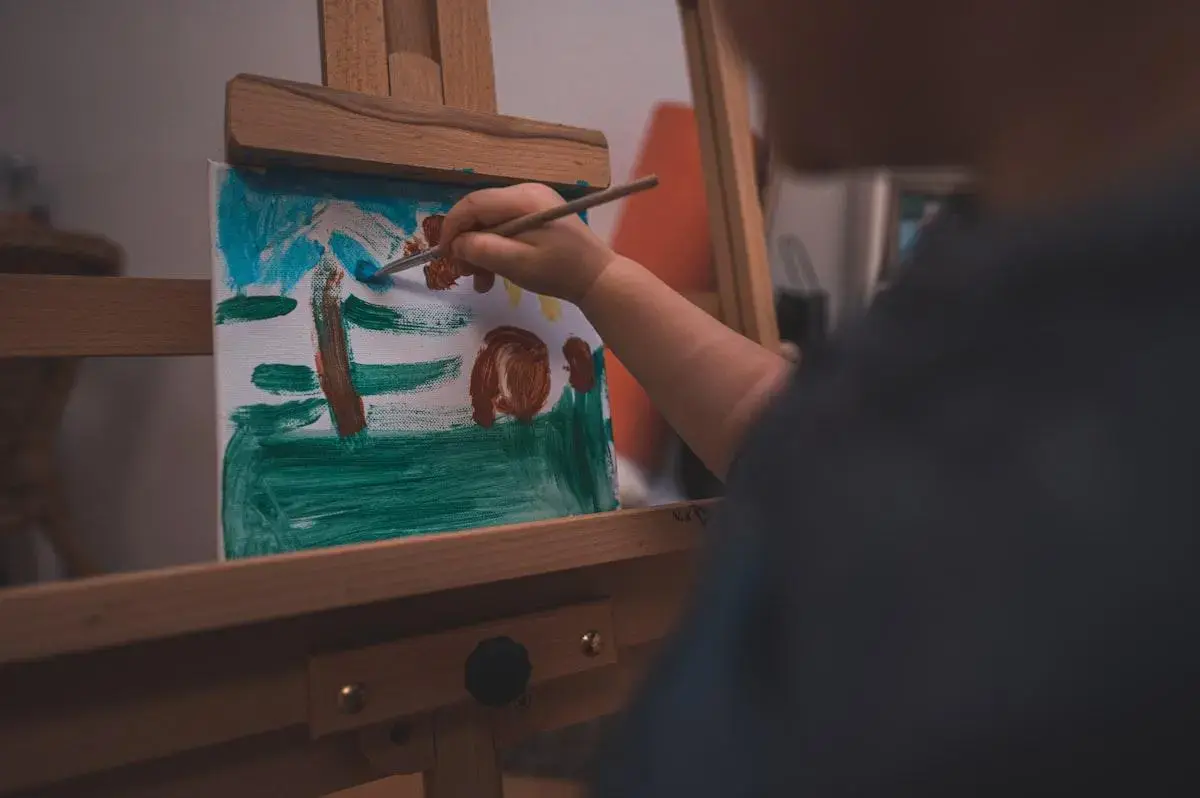
L'art-thérapie associe une psychothérapie professionnelle à des techniques d'expression créative pour réduire efficacement le stress, l'anxiété et d'autres problèmes de santé mentale. Elle ne nécessite aucune compétence artistique et offre des avantages thérapeutiques fondés sur des preuves, sous la direction de professionnels de la santé mentale agréés.
Avez-vous déjà eu l'impression que les mots ne suffisent pas à exprimer ce que vous vivez ? L 'art-thérapie est un moyen puissant d'évacuer le stress et de guérir les émotions, sans qu'aucun talent artistique ne soit nécessaire. Cette approche créative du bien-être mental aide des milliers de personnes à trouver un soulagement et une compréhension personnelle grâce à l'expression thérapeutique guidée.
Stress Reduction And Other Mental Health Benefits Of Art Therapy
Are you experiencing more stress than usual and looking for effective management strategies? You’re not alone. Art therapy offers a creative outlet for self-expression while helping manage stress and anxiety levels. According to the American Psychological Association, millions of Americans have reported high cortisol levels over the last few years, making stress management techniques increasingly important.
Fortunately, there are therapeutic approaches that can significantly reduce stress levels. Art therapy is one such method gaining recognition for its effectiveness. In this article, we’ll explore what art therapy is and why many people find creative expression beneficial for mental wellness.
What is art therapy?
Art therapy functions as a form of psychotherapy that encourages free self-expression through drawing, coloring, modeling, painting, or other creative processes. In a therapeutic setting, a licensed clinical social worker may guide you to express yourself through creative arts to better understand your personality and emotional state. They may then develop insights about your situation based on the artwork you create.
The American Art Therapy Association defines art therapy as: “Art therapy is a mental health profession that enriches the lives of individuals, families, and communities through active art-making, creative process, applied psychological theory, and human experience within a psychotherapeutic relationship.”
Benefits of art therapy for mental health care
Through art therapy, individuals can engage in various creative activities to foster self-awareness, manage addictive behaviors, explore feelings, and reconcile emotional conflicts. This approach can also help increase self-esteem, reduce anxiety, and develop social skills.
While knowledge of visual design can enhance the experience, you don’t need to be an expert painter, writer, musician, or sculptor to benefit from art therapy. The therapeutic value comes from the process of creation rather than the artistic merit of the final product.
Where is art therapy practiced?
Art therapy can be conducted individually or in groups. Clients create art under the therapist’s supervision, and over time, many experience improvements in their physical, mental, and emotional wellbeing. Candidates for art therapy include individuals experiencing excessive stress, those seeking personal growth, people with mental health conditions, those dealing with illness, and survivors of traumatic experiences.
Who else can benefit from art therapy as a mental health care technique?
Art therapy serves as an essential form of self-care that many individuals can practice. The following populations may particularly benefit:
- People with developmental disorders
- Those with social or psychological impairments
- Survivors of abuse
- Veterans returning from combat
- Natural disaster survivors
- People with physical health conditions, such as cancer or traumatic brain injuries
- Those on the autism spectrum
- People experiencing depression
- Individuals with dementia
Art therapy can also help resolve conflicts, improve interpersonal skills, and manage problematic behaviors in both adults and children. Through creative expression, you can gain personal insight while developing your creative abilities and appreciation for the artistic process.
Who can become an art therapist?
Art therapists typically complete a master’s degree from an accredited university in this discipline. The American Art Therapy Association requires a master’s degree and adherence to various ethical codes and standards for professionals in this field. Beyond required coursework, students must complete a 100-hour practicum and 600 hours of supervised clinical internship. Additionally, students need prerequisite training in studio art methods, including painting, sculpture, drawing, and other art forms.
Why does art therapy work so well?
For many people, discussing strong emotions with a therapist can be challenging. Some individuals may struggle to articulate what’s troubling them due to stress, trauma, or other mental barriers. However, their daily challenges and behaviors often reveal they’re coping with anxiety. These manifestations represent the body’s response to anxiety and negative emotions.