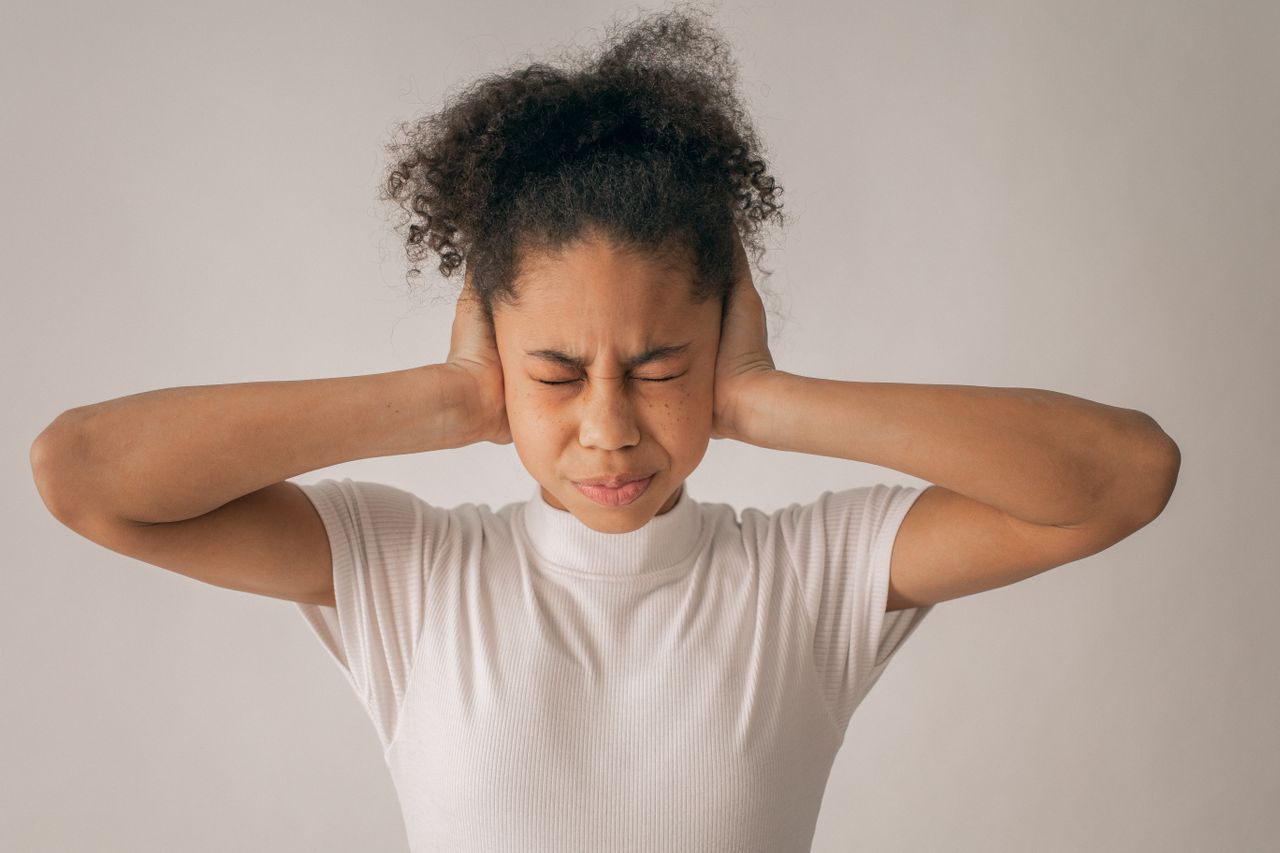
Why Certain Sounds Fill You With Uncontrollable Rage

AnsiedadJune 30, 202621 min de lectura
Why Certain Sounds Fill You With Uncontrollable Rage

Misophonia is a real, neurologically grounded condition in which specific sounds trigger an involuntary, intense rage response through abnormal hyperactivation of the brain's salience network, and evidence-based therapies including cognitive behavioral therapy and graduated exposure can provide meaningful, lasting relief for those affected.

The rage you feel when someone chews near you is not irrational - it is a measurable neurological event that fires before you can think. Misophonia is a real, clinically recognized condition, not a personality flaw, and understanding it is the first step toward actually changing it.

What is misophonia? Why ‘irrationally furious’ is medically real

You hear someone chewing across the room and your body floods with rage. Not mild irritation — white-hot, almost uncontrollable fury. You’ve probably been told you’re overreacting, that it’s just a quirk, or that you need to relax. But what you’re experiencing has a name, a neurological basis, and growing clinical recognition. It is not a personality defect.

That name is misophonia, a condition defined by a severely decreased tolerance to specific sounds. In 2022, a group of leading researchers published the first formal consensus definition of misophonia, establishing it as a disorder in which particular sounds trigger strong negative emotional, physiological, and behavioral responses. The emotional response is typically anger or disgust. The physiological response is real and measurable: elevated heart rate, muscle tension, a body primed for fight or flight. This is not oversensitivity. This is your nervous system firing in a pattern it was never meant to repeat dozens of times a day.

For years, misophonia was dismissed as nothing more than being easily annoyed. Clinicians largely overlooked it, and people who experienced it were left without language for what was happening to them. That has begun to change. Research into sound sensitivity has expanded considerably, and the condition is now taken seriously as a distinct clinical phenomenon.

Just how common is it? Prevalence ranges from 5% to 34.67% depending on the population studied and the criteria used, with clinically significant misophonia affecting a meaningful subset of those who experience some degree of sound sensitivity. You are far from alone.

The anger you feel in these moments is real and clinically addressable. The sections ahead trace exactly what is happening in your brain when a trigger sound hits, why the responses can intensify over time, and what practical steps can actually help.

Signs and symptoms of misophonia

Misophonia symptoms don’t look the same for everyone. For some people, a single sound in the right context can ruin an entire meal, meeting, or night’s sleep. For others, the reaction builds gradually before reaching a breaking point. Knowing what to look for across sounds, emotions, body sensations, and behaviors can help you make sense of experiences that might otherwise feel confusing or embarrassing.

Common trigger sounds and patterns

The most frequently reported misophonia triggers are sounds made by other people, especially repetitive or biological ones. Common examples include:

  • Oral sounds: chewing, lip smacking, swallowing, slurping
  • Nasal and throat sounds: sniffling, breathing, throat clearing, sneezing
  • Ambient and environmental sounds: pen clicking, keyboard typing, bass thumping through walls, tapping

That said, multiple sound categories trigger misophonia, and triggers are highly person-specific. A sound that sends one person into a rage might go completely unnoticed by someone else with misophonia. Visual triggers can also develop alongside auditory ones. Repetitive movements like leg bouncing or jaw chewing can provoke the same intense reaction as sounds, a related phenomenon known as misokinesia (sensitivity to visual motion rather than noise).

Emotional, physical, and behavioral responses

The emotional responses tied to misophonia triggers tend to feel wildly disproportionate, even to the person experiencing them. Common reactions include intense anger or rage, disgust, anxiety, panic, and a feeling of being trapped or out of control. These aren’t just feelings. Research on misophonia: physiological investigations and case descriptions confirms that trigger sounds produce measurable physical responses, including increased heart rate, sweating, muscle tension, and a clenched jaw. This is the body’s fight-or-flight system activating, and many of these physical and emotional patterns closely overlap with anxiety symptoms.

Behaviorally, people often cope by avoiding the source of the sound entirely. This can look like wearing headphones constantly, leaving rooms mid-conversation, or snapping at loved ones before fully understanding why.

When sound sensitivity starts affecting daily life

Misophonia exists on a spectrum. On one end, certain sounds cause mild irritation that passes quickly. On the other, the condition becomes genuinely debilitating, disrupting meals, relationships, workplaces, and sleep. When avoidance behaviors start shrinking your world, whether you’re skipping family dinners, struggling to focus at work, or pulling away from people you care about, that’s a sign the sensitivity has moved beyond a quirk and into something worth addressing.

The misophonia rage cascade: a second-by-second map of your brain under attack

Most people assume misophonia rage is an overreaction, a personality flaw, a lack of patience, a choice. It is none of those things. What actually happens inside a misophonic brain unfolds in a precise, rapid sequence of neurological events that completes before your conscious mind has any say in the matter. Understanding that sequence changes everything about how you see your own reactions.

Here is that sequence, broken down stage by stage.

Stage 1: Detection (~50ms)

The moment a trigger sound enters your ears, your auditory cortex gets to work. At this point, the misophonia brain response is identical to anyone else’s: the brain is simply pattern-matching, cataloguing the sound’s acoustic features. There is no emotion yet, no alarm, no rage. Just raw data being processed at roughly 50 milliseconds after the sound begins.

Stage 2: Classification (~100–150ms)

Here is where misophonic brains diverge sharply from neurotypical ones. As the brain categorizes the incoming sound, the anterior insular cortex (AIC), a region involved in interoception, or your sense of what is happening inside your body, flags the sound as personally significant. In people with misophonia, activation in the insula and salience network occurs with abnormally high intensity, essentially stamping the sound as a high-priority threat before any conscious evaluation takes place.

Stage 3: Emotional hijack (~150–250ms)

The amygdala and AIC now fire together, launching a disproportionate threat response. The sound is being processed as if it were physically dangerous. This is the moment misophonia rage, disgust, or panic ignites, and critically, it happens well before conscious thought can intervene. You do not decide to feel furious. The fury arrives first, and your awareness catches up afterward.

Stage 4: Motor activation (~250–350ms)

The emotional hijack immediately recruits the body. The premotor cortex and supplementary motor area activate, generating the urgent physical impulse to flee, cover your ears, or lash out. Research points to a motor basis involving mirror neuron hyperactivity, meaning your brain involuntarily simulates the mouth or jaw movements producing the trigger sound. You are not just hearing chewing — your motor system is, in some sense, performing it.

Stage 5: Recovery and shame (seconds to hours)

Once the trigger ends or you remove yourself from the situation, the prefrontal cortex, the brain’s rational overseer, finally re-engages. For many people with misophonia, this stage carries its own burden. Guilt, embarrassment, and self-criticism follow the intensity of the reaction, and that shame quietly reinforces avoidance: leaving rooms, cancelling plans, isolating to prevent the next episode.

The entire detection-to-motor sequence completes in under 400 milliseconds, faster than a blink, faster than conscious thought, and far faster than willpower. This is precisely why telling yourself to «just ignore it» does not work: the cascade has already run its course by the time that instruction forms in your mind.

The brain science behind misophonia

Neuroscience tells a very different story than the old assumption that misophonia is simply an overreaction. Research into the misophonic brain has revealed specific, measurable differences in brain structure and function, and those differences explain why trigger sounds produce such an overwhelming physical and emotional response.

The anterior insular cortex: where sound meets emotion

At the center of the misophonia neuroscience picture is a region called the anterior insular cortex, or AIC. Think of the AIC as your brain’s integration hub: it takes raw sensory information and assigns it emotional weight. Is this sensation relevant? Threatening? Worth reacting to? In people with misophonia, imaging research has shown that the AIC is hyperactivated in response to trigger sounds, along with other regions in the salience network, including the anterior cingulate cortex and superior temporal cortex. The salience network is essentially your brain’s alarm system, and in misophonic brains, it treats certain sounds as high-priority threats.

Critically, the auditory cortex itself responds normally. The problem is not in how you hear the sound. It is in what your brain decides that sound means.

Auditory-limbic-motor connectivity

The AIC does not work in isolation. In a typical brain, it communicates with the ventromedial prefrontal cortex (vmPFC), the hippocampus, and the amygdala to regulate emotional responses. In people with misophonia, this connectivity is abnormal, meaning the emotional regulation system is essentially short-circuited for trigger sounds. Structural imaging studies have found white matter differences in the medial frontal region of misophonic brains, suggesting the condition involves physical differences in brain architecture, not just functional ones. White matter is the tissue that carries signals between brain regions, so abnormalities there help explain why the usual emotional brakes fail to engage.

There is also a motor component that surprises many people. fMRI studies have found activation in motor areas during trigger exposure, pointing to the mirror neuron system. Your brain involuntarily simulates the action producing the sound, as if it is mimicking the chewing or tapping itself. This is why watching someone eat can feel just as distressing as hearing them.

What brain imaging studies reveal

Beyond brain activity, the body responds to trigger sounds in measurable ways. People with misophonia show increased heart rate, elevated galvanic skin response (a measure of sweat gland activity used to track stress), and increased muscle tension when exposed to their triggers. These are not subjective feelings. They are physiological events recorded by instruments, confirming that the misophonia response is rooted in the nervous system, not in attitude or sensitivity.

What causes misophonia

Misophonia is not simply the result of a bad experience with sound. While childhood trauma can worsen symptoms, researchers believe misophonia is fundamentally a neurodevelopmental condition, meaning it originates in how the brain is wired rather than in a single triggering event.

The most common onset age falls between 9 and 13 years old. This window is significant because it overlaps with puberty and a major period of neurological pruning, the process where the brain eliminates weaker neural connections and strengthens the ones it uses most. During this sensitive developmental phase, the brain may be especially prone to forming strong, lasting associations between specific sounds and intense emotional responses.

There is also a clear genetic dimension to misophonia. Research on familial patterns of misophonia suggests the condition clusters in families and may follow an autosomal dominant inheritance pattern, meaning only one copy of a variant gene from one parent may be enough to pass it on. No specific gene has been pinpointed yet, but the family connection is hard to ignore.

Interestingly, initial triggers almost always involve a close family member, typically a parent or sibling. This suggests that intimacy and familiarity play a role in forming the neural association in the first place. From there, classical conditioning may take over: once the brain links a sound to a threat response, it begins generalizing that reaction to similar sounds from other people and other settings.

Some researchers also point to heightened interoceptive awareness as a factor. People with misophonia may have brains that are broadly more sensitive to both internal bodily signals and external sensory input, making them more reactive across the board, not just to one or two specific sounds.

Why your misophonia keeps getting worse: the trigger generalization problem

If you’ve noticed your list of unbearable sounds growing longer over time, you’re not imagining it. Trigger generalization is the process by which the brain gradually adds new sounds, and eventually visual stimuli, to its threat-detection category. It’s one of the most distressing patterns in misophonia, and understanding it can help you slow it down.

The expansion tends to follow a recognizable path. It often starts with a single trigger, say, one specific person’s chewing. Over time, all chewing becomes intolerable. Then related mouth sounds join the list. Then breathing. Then repetitive environmental noises like tapping or clicking. For some people, the spread eventually crosses into visual territory, a related condition called misokinesia, where repetitive movements like leg-bouncing or pen-twirling provoke the same intense reaction.

The mechanism behind this is associative learning. According to research on potential underlying mechanisms of misophonia, sounds that co-occur with or closely resemble existing triggers can get absorbed into the brain’s conditioned threat-response network. In other words, your brain isn’t being irrational. It’s doing exactly what threat-detection systems do: casting a wider net to protect you from perceived danger.

Avoidance makes this worse, not better. Leaving the room, wearing headphones constantly, or restructuring your life around triggers provides real short-term relief. Over time, though, avoidance prevents the brain from habituating to sounds and keeps your overall vigilance elevated, which makes new triggers easier to acquire.

Where are you on the generalization spectrum?

A simple self-assessment can help you gauge how far generalization has progressed:

  • Stage 1: Single trigger, one source (one person’s specific sound)
  • Stage 2: Multiple triggers, same category (all chewing, all sniffling)
  • Stage 3: Cross-category auditory triggers (mouth sounds, breathing, and environmental repetitive sounds)
  • Stage 4: Auditory plus visual triggers (sounds and repetitive movements)

Knowing your stage matters because earlier intervention produces better outcomes. Evidence-based strategies to slow further spread include graduated exposure in calm, controlled contexts, reducing your overall stress load (chronic stress lowers the brain’s threat threshold, making generalization faster), and working with a therapist trained in misophonia before triggers multiply further.


¿Algo te genera curiosidad?

Pregúntale a tu IA favorita sobre este artículo

Misophonia vs. other sound sensitivity conditions

Not every strong reaction to sound is misophonia. Several conditions share surface-level similarities but differ in meaningful ways: what triggers them, how the brain processes them, and what the emotional response actually feels like. Getting clear on these distinctions matters, because the right support depends on understanding what you are actually dealing with.

How misophonia differs from hyperacusis

Hyperacusis is a condition where sounds that most people find tolerable feel physically painful or overwhelming. The key difference is that hyperacusis is not pattern-specific. Any sound at a certain intensity can trigger discomfort, whether it is a stranger’s voice, a vacuum cleaner, or a car horn. Misophonia, by contrast, is highly selective. As research on the neurophysiology of misophonia explains, misophonia is driven by the meaning and pattern of a sound rather than its physical loudness. A person with misophonia may be completely unbothered by loud music but sent into a rage by a quiet, repetitive chewing sound. Hyperacusis is often linked to cochlear or auditory nerve dysfunction and can develop at any age following noise exposure or illness.

How misophonia differs from phonophobia, SPD, anxiety, and OCD

Phonophobia is a fear of specific sounds, most commonly associated with migraines and anxiety disorders. The primary emotional response is fear and anticipatory avoidance, not rage or disgust. A person with phonophobia dreads that a sound will cause harm; a person with misophonia is enraged by the sound itself. Clinical research distinguishes misophonia by its production of anger and irritation rather than fear, which sets it apart from phonophobia and anxiety-related sound sensitivity alike.

Sensory Processing Disorder (SPD) involves broad over- or under-responsivity across multiple sensory systems, not just hearing. A child with SPD may struggle with textures, lights, tastes, and sounds all at once. Misophonia vs. SPD comes down to scope: misophonia is narrowly focused on specific auditory patterns, while SPD reflects a wider challenge with how the nervous system integrates sensory input across the board. SPD typically emerges in early childhood and affects daily sensory functioning more globally.

Anxiety-related sound sensitivity looks similar to misophonia on the surface because people experiencing anxiety often become hypervigilant to their environment. The difference is that this heightened startle response and sound vigilance tends to resolve when the underlying anxiety is treated. It is not tied to specific trigger patterns and does not carry the same rage-forward emotional signature.

OCD with sound obsessions involves intrusive, unwanted thoughts about sounds paired with compulsive behaviors to neutralize distress. The thoughts feel ego-dystonic, meaning they feel foreign and wrong to the person having them. This is distinct from misophonia, where the emotional reaction feels entirely justified and proportionate to the trigger. OCD with sound obsessions responds well to Exposure and Response Prevention therapy, or ERP.

The clearest differentiator across all of these conditions is misophonia’s person-specific, pattern-specific trigger profile combined with a primary emotional response of rage or disgust rather than pain, fear, or generalized unease.

How misophonia is diagnosed

Getting a misophonia diagnosis is not always straightforward. Misophonia does not yet appear in the DSM-5 or ICD-11 as a standalone condition, a gap that researchers began formally documenting as far back as 2013. This means many clinicians have limited familiarity with it, though awareness is growing quickly as research accelerates.

When you do seek help, clinicians have validated tools to assess severity. The Amsterdam Misophonia Scale (A-MISO-S) is the most widely used instrument in clinical settings. A validated misophonia response scale measures your experience across emotional, physiological, and behavioral dimensions, giving a clinician a clearer picture of how the condition affects you. The Misophonia Assessment Questionnaire (MAQ) is another tool used primarily in research settings to capture symptom patterns.

Your doctor may also recommend an audiological evaluation to rule out hyperacusis or other hearing differences, since these can overlap with misophonia symptoms.

What to tell your doctor or therapist

Being specific makes a real difference. When you describe your experience, cover these points:

  • Your triggers: chewing, breathing, pen clicking, or whatever sounds set you off
  • The emotional response: whether you feel rage, fear, disgust, or physical pain
  • When it started: misophonia often begins in childhood or early adolescence
  • Daily impact: relationships, meals, work, or situations you now avoid

A therapist with experience in CBT, OCD-spectrum conditions, or sensory processing difficulties is often the most effective starting point, even without a formal diagnosis on paper.

Treatment and management options for misophonia

Misophonia treatment is still an evolving field, and it is worth being honest about where the evidence stands. No single approach has been validated in large-scale clinical trials, but several options show real promise, and many people do find meaningful relief. Current perspectives on misophonia suggest that the most supported approaches draw from cognitive and sound-based therapies, while newer interventions are still building their evidence base.

Therapy approaches for misophonia

Cognitive behavioral therapy (CBT) is the most widely used misophonia therapy, and its core tools adapt well to this condition. Cognitive restructuring helps you examine and challenge beliefs that fuel your reactions, such as the assumption that someone is chewing loudly on purpose to annoy you. Distress tolerance skills give you ways to manage the emotional spike without fleeing the situation entirely. Graduated exposure, a technique also central to exposure and response prevention, involves carefully and incrementally increasing contact with trigger sounds in a controlled way to reduce their emotional charge over time. Even general CBT skills, applied by a therapist who understands misophonia, can significantly improve quality of life.

Sequent Repatterning Therapy is a newer approach that targets the physical sensations tied to trigger sounds, aiming to break the link between the sensory input and the emotional response. The research behind it is still early, but some people report meaningful results.

Sound-based and emerging interventions

Tinnitus Retraining Therapy (TRT), originally developed for ringing in the ears, has been adapted for misophonia treatment. It uses low-level background sound to reduce the stark contrast between silence and a trigger sound, which can lower the brain’s alarm response over time. Like CBT adaptations, TRT has not yet been tested in large controlled studies for misophonia specifically, so results vary.

Neurofeedback is another emerging option. Early research suggests it may help retrain the brain’s response patterns, but the evidence base remains limited and it is not yet a standard recommendation.

On the medication front, no drug is approved specifically for misophonia. SSRIs and anxiolytics are sometimes prescribed off-label to address co-occurring anxiety or depression, and they may reduce overall reactivity. They do not, however, target the core trigger response itself, and the efficacy data specific to misophonia is thin.

Self-management and daily coping strategies

Day-to-day coping strategies can make a real difference while you pursue formal misophonia therapy. Background noise, whether that is a white noise machine, a fan, or ambient music, reduces the acoustic contrast that makes triggers feel so jarring. Noise-canceling headphones offer a practical buffer in shared spaces like offices or restaurants. Reducing your overall stress load matters too, because high baseline stress tends to amplify trigger sensitivity. Communicating your needs clearly to family members and coworkers, without expecting them to change everything, can reduce the social friction that often compounds the distress.

If misophonia is affecting your relationships or daily functioning, talking with a licensed therapist can help you build a personalized coping plan. You can start with a free assessment on ReachLink, with no commitment required and entirely at your own pace.

Your brain is not broken: reframing misophonia through a neurodiversity lens

There is a cycle that many people with misophonia know intimately, even if they have never had a name for it. A sound triggers rage. The rage feels disproportionate, so guilt follows. To avoid the guilt, you start avoiding the people connected to the sounds. Isolation sets in, and with it, more shame. Naming this misophonia shame spiral is the first step toward breaking it. Living inside that loop can quietly erode your sense of self-worth, a pattern closely linked to low self-esteem.

The neurodiversity reframe: high fidelity, misfired alarm

Here is what the science actually suggests about the misophonic brain: it is not broken. It processes sound with unusually high fidelity and pattern sensitivity. Research indicates that people with misophonia often show enhanced auditory discrimination abilities, meaning the same neural wiring that causes suffering also confers a heightened perceptual skill that most people simply do not have. The problem is not that your brain detects too little. It is that it fires an emergency response for sounds that pose no real danger, treating a chewing noise like a threat signal that demands immediate action.

This is the core of the neurodiversity reframe. Your brain’s threat-detection system is not defective. It needs recalibration. That distinction matters, because it shifts the internal narrative from something is fundamentally wrong with me to my brain is doing exactly what it was wired to do, and that wiring can be redirected.

This reframe does not minimize the suffering. Misophonia is genuinely disabling for many people, affecting relationships, work, and daily life in serious ways. Understanding what your brain is actually doing gives you a foothold, though. You are not irrational. You are not weak. And with the right support, the relationship between your brain and those triggering sounds can change.

Whether you are just beginning to understand your sound sensitivity or have been managing misophonia for years, a therapist who gets it can make a real difference. You can create a free ReachLink account to explore your options at your own pace.

What You Are Feeling Has Always Been Real

If you have spent years wondering why a sound that barely registers for others can send you into a spiral of rage, guilt, and isolation, you now have a clearer picture of what has actually been happening in your brain. The fury was never a character flaw. The shame that followed was never deserved. Misophonia is a real, neurologically grounded condition, and the fact that it has been so widely dismissed makes the weight of carrying it that much harder.

Understanding the science is a meaningful first step, but it does not have to be the last one. If sound sensitivity has been affecting your relationships, your work, or the way you move through the world, a therapist who understands misophonia can help you build something more than coping strategies. You can create a free ReachLink account and explore your options at your own pace, with no commitment required.


FAQ

  • How do I know if I actually have misophonia or if I'm just easily annoyed by sounds?

    Misophonia is more than ordinary annoyance - it is a condition where specific sounds trigger intense, involuntary emotional responses like rage, disgust, or panic that feel completely out of proportion to the situation. Common triggers include repetitive sounds like chewing, tapping, or breathing, and even the anticipation of those sounds can cause distress. Unlike general noise sensitivity, misophonia reactions are often tied to specific sounds made by specific people, and the response can interfere with daily life, relationships, and social situations. If you find yourself avoiding meals with family, leaving rooms, or feeling overwhelming anger you cannot control in response to certain sounds, that goes beyond typical sensitivity.

  • Can therapy actually help with misophonia, or is it something you just have to live with?

    Therapy can make a meaningful difference for people with misophonia, even though there is no single cure. Approaches like Cognitive Behavioral Therapy (CBT) help people identify and reframe the thought patterns that intensify their reactions, while Dialectical Behavior Therapy (DBT) teaches distress tolerance and emotional regulation skills that reduce the impact of triggers. Some therapists also use exposure-based techniques to gradually reduce sensitivity over time. Many people find that with consistent therapy, their reactions become less intense and their ability to cope improves significantly - it does not have to be something you simply endure.

  • Why do certain sounds cause such an intense reaction like rage or panic - isn't that an overreaction?

    Researchers believe misophonia involves an overactivation of the brain's threat-detection system in response to specific sounds, causing the nervous system to treat an ordinary noise as if it were a genuine danger. This is why the emotional response, whether anger, disgust, or panic, can feel completely automatic and impossible to control. The reaction is not a character flaw or a choice - it appears to be a neurological pattern where the brain has formed a strong association between certain sounds and a fight-or-flight response. Recognizing this distinction can be a powerful first step, because it shifts the framing from "why can't I just calm down" to "how do I work with my nervous system."

  • Misophonia is seriously affecting my relationships and daily life - how do I find a therapist who actually gets this?

    Finding a therapist who understands misophonia or related anxiety and sensory conditions can feel overwhelming, but you do not have to search alone. ReachLink connects people with licensed therapists through human care coordinators - not an algorithm - so you are matched based on your specific situation and needs rather than just whoever is available. Starting with a free assessment gives care coordinators the context they need to find a therapist who is genuinely the right fit for what you are experiencing. Sessions are conducted entirely online, making it easier to get consistent, comfortable support from wherever you are.

  • Does misophonia get worse over time if you don't do anything about it?

    For many people, misophonia does tend to intensify over time without support - triggers can expand to include more sounds, and avoidance behaviors can grow as a way of managing the distress. The more someone avoids situations involving their triggers, the more those triggers can feel threatening, which can gradually narrow daily life and strain relationships. Seeking therapy earlier rather than later can help interrupt this cycle before it becomes more deeply ingrained. Working with a licensed therapist on coping strategies and emotional regulation has helped many people slow or reverse this progression.

¿Tienes alguna pregunta sobre este tema?

Escribe tu pregunta y la enviaremos al asistente de IA que prefieras.

Tu pregunta será enviada a un asistente de IA externo. Si estás en crisis, por favor comunícate con [CRISIS_LINE_ES].

Compartir este artículo
Da el primer paso

Comienza hoy tu transformación

Da el primer paso hacia una mayor claridad, bienestar emocional y crecimiento personal.

Herramientas basadas en pruebas, apoyo privado y accesible que se adapta a tu vida.

Descargar en la App StoreDisponible en Google Play

Apoyo privado · En español · Sin listas de espera

Why Certain Sounds Fill You With Uncontrollable Rage