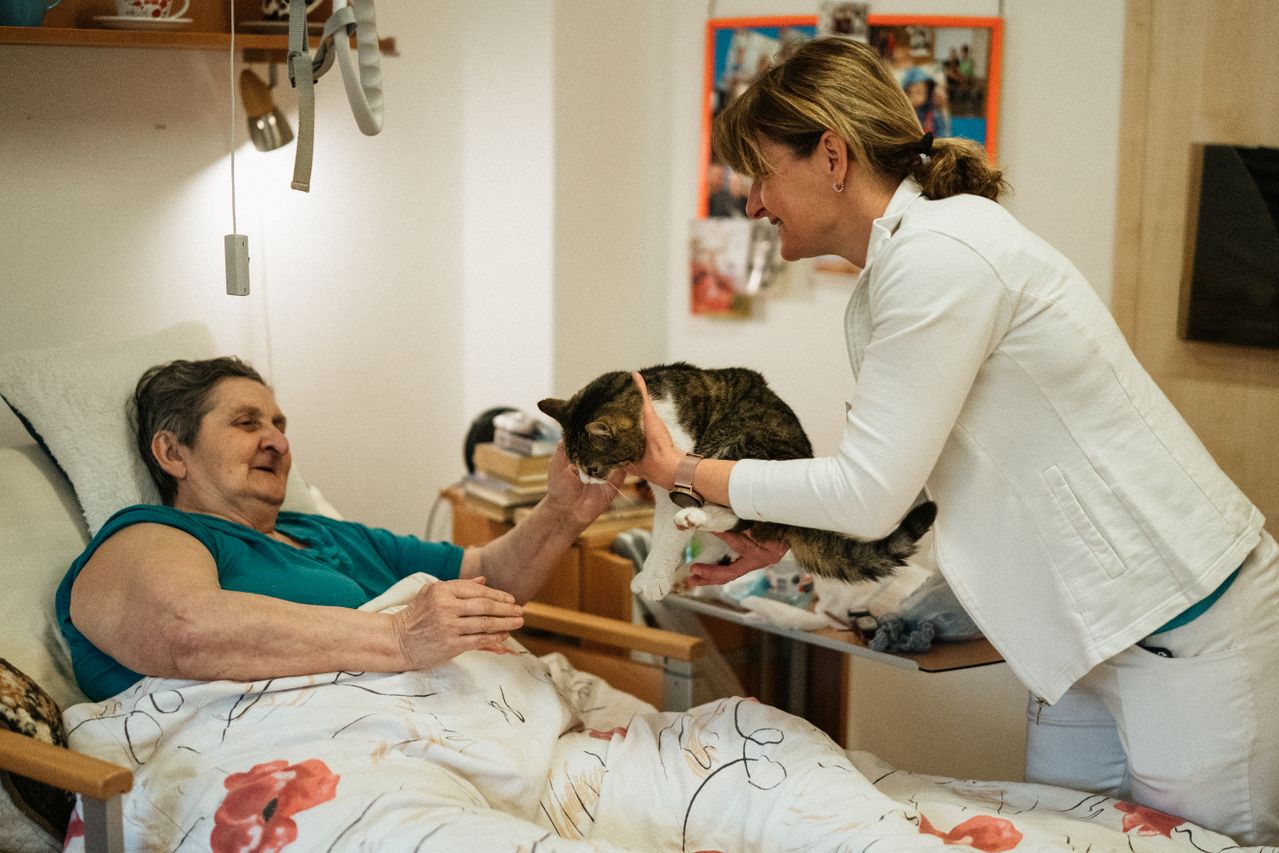
Animal-assisted therapy (AAT) is a structured, goal-directed clinical modality delivered by licensed therapists with documented treatment plans, setting it apart from emotional support animals and informal animal activities, with growing evidence supporting its effectiveness for PTSD, anxiety, depression, and autism spectrum disorder.
Your emotional support animal is not providing therapy, and that distinction could change everything about how you find care. Animal-assisted therapy is a structured clinical treatment led by licensed professionals, with documented goals and measurable outcomes. Knowing the difference helps you ask better questions and get better results.
The IAHAIO framework: the full taxonomy of animal-assisted interventions
Not all animals in therapeutic or supportive roles are created equal, and the distinctions matter more than most people realize. The International Association of Human-Animal Interaction Organizations (IAHAIO) is the global body that sets the definitions and standards for how professionals classify, practice, and evaluate animal-assisted work. Their taxonomy draws clear lines between formal clinical interventions and informal animal interactions, and emotional support animals fall entirely outside it.
Understanding this framework is more than an academic exercise. Where an intervention sits within the taxonomy determines whether it qualifies for insurance coverage, what legal protections apply, whether a practitioner can be held accountable, and whether outcomes can be measured and replicated.
Animal-Assisted Therapy (AAT)
Animal-Assisted Therapy is the most clinically rigorous category in the IAHAIO framework. It is goal-directed, meaning every session is tied to a specific, documented treatment objective for a specific client. A licensed or credentialed professional, such as a therapist, occupational therapist, or social worker, must either deliver the sessions directly or provide formal clinical oversight. Treatment plans are written, progress is tracked, and outcomes are measurable.
This is not a casual visit from a friendly dog. AAT is a structured clinical intervention integrated into a broader care plan, held to the same professional and ethical standards as any other evidence-based treatment.
Animal-Assisted Activities (AAA) and Animal-Assisted Education (AAE)
Animal-Assisted Activities occupy a different tier. These are informal, motivational, or recreational interactions where animals and their handlers visit settings like hospitals, nursing homes, or community centers. There are no individualized treatment goals, no clinical documentation, and no licensed professional directing the outcomes. The primary aim is comfort, engagement, or general well-being.
Animal-Assisted Education (AAE) moves into structured learning environments. AAE programs are designed around specific educational objectives, typically within schools or therapeutic educational settings, and are facilitated by educators or trained professionals. The animal’s presence is purposeful and tied to measurable learning goals, which separates AAE from the recreational nature of AAA.
Where emotional support animals fit: outside the professional framework
Emotional Support Animals (ESAs) exist in an entirely separate category, one that the IAHAIO professional taxonomy does not include. ESAs require no specialized training, no handler certification, and no clinical oversight of their interactions. Their role is to provide comfort through companionship, and that role is recognized under housing and, in some cases, travel regulations, not under clinical or therapeutic frameworks.
Even the ADA’s definition of service animals explicitly excludes ESAs from the legal protections extended to trained service animals. This legal exclusion mirrors the IAHAIO’s professional exclusion: ESAs serve a genuine and meaningful purpose, but that purpose is distinct from structured, accountable, clinically directed intervention.
ESA vs. service animal vs. therapy animal vs. AAT: a side-by-side comparison
These four categories get tangled together constantly, and the confusion is understandable. All of them involve animals providing some form of support to people. The legal protections, training standards, and clinical roles are completely different across each one. Getting these distinctions right matters, especially if you are exploring options for managing anxiety symptoms or another mental health condition.
Emotional support animals (ESAs)
ESAs require no specialized training. Their role is to provide comfort through companionship, and that comfort is real and meaningful, but it is not a clinical intervention. Legally, ESAs are protected under the Fair Housing Act, which means landlords generally cannot deny housing to a person with an ESA. That protection does not extend to planes, restaurants, or other public spaces. To qualify, a person needs a letter from a licensed mental health professional confirming the animal supports their treatment.
Service animals
Service animals are task-trained to perform specific work for a person with a disability. A dog that guides someone who is blind, alerts someone who is deaf, or detects an oncoming seizure is a service animal. Under the Americans with Disabilities Act, service animals have full public access rights, meaning they can go almost anywhere their handler goes. No professional handler or trainer is required beyond the individual with the disability themselves.
Therapy animals
Therapy animals sit in a different category entirely. They are temperament-tested and their handlers are typically certified through organizations like Pet Partners. These animals visit hospitals, schools, and care facilities by invitation, not by legal right. They have no individual public access protections. Depending on the context, therapy animals may support animal-assisted activities, which are informal and goal-free, or they may be incorporated into structured animal-assisted therapy.
Animal-assisted therapy (AAT)
AAT is not a type of animal. It is a clinical treatment modality. A licensed therapist designs and leads AAT sessions with specific treatment goals, measurable outcomes, and documentation. The animal is one tool within a broader therapeutic protocol, not the source of the therapy itself. The therapist’s training, clinical judgment, and professional oversight are what make it therapy.
Put simply: the animal does not provide the treatment. The licensed clinician does, with the animal’s help. That distinction separates AAT from every other category on this list.
Inside a real AAT session: a step-by-step walkthrough
Animal-assisted therapy can sound abstract until you see how a session actually unfolds. The structure is more deliberate than most people expect, with clear roles, documented goals, and clinical decision-making at every stage.
Pre-session: intake assessment and goal setting
Before a client ever meets an animal, the therapist conducts a thorough intake assessment. This screening covers allergies, fears, and any trauma history involving animals, because an unaddressed fear of dogs, for example, would make canine-assisted work counterproductive or even harmful. From there, the therapist establishes measurable treatment goals tied to the client’s diagnosis and needs. These goals are specific and clinical: reducing social avoidance behaviors, improving fine motor skills, or building affect regulation, which is the ability to manage emotional responses in real time.
The therapist also selects the animal species and the specific individual animal based on the treatment plan. This is a clinical decision, not a matter of client preference. A person working through PTSD recovery might be matched with a calm, well-trained horse for equine-assisted work, while someone building communication skills might work with a dog known for clear, readable body language. The animal’s temperament, training, and history all factor into that choice.
During the session: what the therapist, handler, and animal each do
Once the session begins, three distinct roles are in play. The licensed therapist directs all therapeutic interactions and keeps the work anchored to the client’s goals. The animal handler, who may be a separate certified professional, manages the animal’s welfare, monitors its stress signals, and ensures it remains comfortable throughout. The client engages in structured activities, not simply free time with a friendly animal.
Those activities are designed with intention. A client processing anxiety triggers might groom a horse while talking through a difficult memory, using the rhythmic physical task to stay grounded. Someone working on assertiveness might practice giving a dog a command, learning to use a clear, confident voice in a low-stakes environment. A person building mindfulness skills might walk a dog slowly, using each step as a grounding technique to stay present. Sessions typically run 30 to 60 minutes, and the animal may only be present for part of that time, entering and leaving based on the therapeutic moment.
The therapeutic relationship remains between client and therapist throughout. The animal facilitates the clinical work; it does not replace it.
Post-session: outcome documentation and progress tracking
After the session ends, the documentation begins. The therapist records behavioral observations, notes how the client responded to specific activities, and measures progress against the established treatment goals. If a goal is being met consistently, the plan is updated to reflect new challenges. If something is not working, the approach is adjusted.
The handler completes their own log, tracking the animal’s stress indicators during the session. Signs of fatigue or discomfort are recorded and factored into decisions about the animal’s workload. This dual documentation process reflects a core principle of ethical AAT practice: the well-being of both the client and the animal is actively monitored every session.
How animal-assisted therapy works: mechanisms and benefits
AAT is not simply about feeling good around animals. The therapeutic effects are grounded in specific psychological and physiological processes that trained clinicians know how to harness. Understanding these mechanisms helps explain why a session with a therapy horse or a trained dog can move the needle in ways that conversation alone sometimes cannot.
Physical contact with animals triggers the release of oxytocin, a hormone associated with bonding, trust, and calm. At the same time, cortisol levels, the body’s primary stress marker, tend to drop. For people experiencing depression, this shift in neurochemistry creates a more receptive internal state, one where engaging with difficult emotions feels less overwhelming. It is not a cure, but it is a meaningful foundation for therapeutic work.
How animals lower the barrier to engagement
Many people resist traditional talk therapy, not because they do not want help, but because sitting across from a stranger and discussing pain feels exposing. The biophilia hypothesis suggests humans have an innate affinity for other living creatures, and that affinity creates a natural, low-resistance entry point. The animal becomes a shared focus, softening the intensity of the therapeutic relationship just enough to let clients engage.
This connects to what researchers call the social buffering effect: an animal’s calm presence reduces physiological arousal during stressful moments in a session. Clients can approach difficult material they might otherwise shut down around, because the animal’s steadiness acts as a kind of anchor.
AAT also works through several practical channels:
- Co-regulation: Matching your breathing to an animal’s slow, steady rhythm, or using the warmth of an animal’s body as a grounding technique, helps regulate the nervous system in the moment.
- Behavioral activation: Caring for or interacting with an animal provides immediate, tangible purpose and reward. For someone experiencing anhedonia, which is the inability to feel pleasure, this kind of concrete engagement can break through the flatness that makes motivation so hard to access.
- Mirror and metaphor: When a horse refuses to follow a client’s lead, that moment is not a failure. It becomes live therapeutic material. The client’s reaction to the animal’s resistance reveals patterns around rejection, control, or frustration in a way that is immediate and undeniable, far more visceral than recalling a past event in conversation.
The evidence scorecard: what AAT research actually shows by condition
AAT research has grown significantly over the past two decades, but the evidence is not equally strong across every condition. Here is a condition-by-condition look at what the science actually supports.
PTSD and trauma recovery
Evidence strength: Moderate to strong
This is one of the better-studied areas of AAT, particularly for veterans. Multiple studies and systematic reviews point to meaningful reductions in PTSD symptoms, hyperarousal, and emotional avoidance when equine-assisted therapy is used alongside standard treatment. A widely cited meta-analysis by Nimer and Lundahl (2007) found consistent positive effects across AAT studies, with trauma populations showing some of the strongest responses. That said, most individual studies involve small sample sizes, and few use rigorous randomized controlled trial (RCT) designs. For people navigating traumatic disorders, AAT appears most effective as a complement to evidence-based treatments like EMDR or trauma-focused CBT, not as a replacement.
Autism spectrum disorder
Evidence strength: Moderate
Research on AAT for people with autism spectrum disorder (ASD) focuses primarily on the social interaction and communication challenges that define the condition’s symptom profile. Both equine-assisted and canine-assisted therapy have been studied, with findings suggesting reduced anxiety and improved social engagement during and after sessions. A 2014 systematic review by Kamioka and colleagues identified positive trends but flagged significant variability in study design, outcome measures, and participant characteristics. Clinical profiles of ASD underscore why standardized measurement matters here: the spectrum is wide, and what counts as meaningful social improvement can differ substantially from one person to the next. More methodologically consistent research is still needed.
Depression, anxiety, and mood disorders
Evidence strength: Moderate
One of the most consistent findings across AAT studies is cortisol reduction, meaning measurable decreases in the body’s primary stress hormone during and after animal-assisted sessions. For people experiencing depression or anxiety, this physiological shift appears to support mood regulation. The strongest evidence comes from adjunctive use, where AAT is combined with standard therapy rather than used alone. Standalone AAT for clinical depression or anxiety disorders has a thinner evidence base, and researchers continue to call for larger controlled trials.
Dementia, chronic pain, and emerging applications
Evidence strength: Moderate (dementia) | Emerging (chronic pain, substance use recovery)
For people living with dementia in residential care settings, AAT shows moderate evidence for reducing agitation and improving social engagement. Evidence for slowing cognitive decline itself remains limited. Chronic pain research is earlier stage, with the proposed mechanism running through distraction, mood elevation, and cortisol reduction rather than any direct pain-blocking effect. Substance use recovery represents the most preliminary category: qualitative findings on motivation and treatment retention are promising, but controlled studies are scarce.
Across all conditions, the same limitations appear repeatedly: small sample sizes, inconsistent outcome measures, difficulty blinding participants or researchers to treatment conditions, and likely publication bias favoring positive results. These are not reasons to dismiss AAT, but they are reasons to read enthusiastic claims carefully.
The animal’s perspective: welfare, ethics, and preventing burnout
Animal-assisted therapy conversations tend to center on what animals give to clients. The animal’s own experience, though, rarely gets the attention it deserves. The animals involved in AAT are working professionals with genuine welfare needs, and meeting those needs is an ethical obligation built into responsible practice, not a secondary concern.
Recognizing stress in therapy animals
Animals cannot say when they have had enough, so trained handlers learn to read their body language fluently. In dogs, stress signals include lip licking, yawning outside of fatigue, whale eye (when the whites of the eyes are visible), and subtle avoidance behaviors like turning away or moving behind the handler. Horses under stress may pin their ears flat, swish their tails repeatedly, or show visible tension through the jaw and neck. Every species has its own vocabulary for discomfort, and a skilled handler knows that vocabulary before the animal ever enters a session.
Animal consent and why it’s non-negotiable
The IAHAIO sets clear guidelines on session duration, rest periods, and frequency of work to protect therapy animals from overexposure. Central to these standards is the concept of animal consent: the animal must be free to approach or withdraw from any interaction. Forced engagement is both unethical and counterproductive. An animal that cannot choose to disengage is an animal under chronic stress, and a chronically stressed animal cannot offer the calm, regulated presence that makes AAT therapeutically effective.
The handler’s true priority
A handler’s primary responsibility is advocating for the animal’s welfare, not advancing the client’s therapeutic goals. These two priorities can conflict. A client in emotional distress may want prolonged contact with the animal, but the animal may be showing early stress signals that require ending the interaction. A skilled, ethical handler acts on what the animal needs, even when that is a difficult call to make.
Therapy animals can also experience burnout over time. Signs include increased reactivity, behavioral changes between sessions, and avoidance of cues associated with work, such as reluctance when a harness or vest appears. Responsible programs build in formal retirement protocols so that an animal’s working life ends before its welfare is compromised. Protecting the animal is not separate from good therapy. It is the foundation of it.
Credentials, certifications, and red flags: how to evaluate an AAT program
Not every program that calls itself animal-assisted therapy is the real thing. Because the field is growing quickly, some programs use therapeutic-sounding language without the clinical structure to back it up. Knowing how to evaluate a program protects both you and the animals involved.
EAGALA vs. Pet Partners vs. PATH International
Three major certifying bodies set the standards in this field, and understanding what each one actually certifies matters.
EAGALA (Equine Assisted Growth and Learning Association) certifies a team model: a licensed mental health professional working alongside a certified equine specialist. Neither credential replaces the other, and both must be present in sessions.
Pet Partners certifies handler-animal teams across many species, from dogs to llamas. This certification focuses on the animal’s temperament and the handler’s skills. It does not certify therapists or qualify a handler to provide clinical treatment on their own.
PATH International (Professional Association of Therapeutic Horsemanship) certifies equine specialists and therapeutic riding instructors. Like Pet Partners, PATH certification is not a clinical mental health credential.
The therapist leading your sessions must hold an independent clinical license, such as an LCSW, LPC, LMFT, or psychology license. An AAT certification is an additional qualification, not a substitute for that license.
Questions to ask and red flags to watch for
Before starting any program, ask these questions directly:
- What are your clinical credentials and license number?
- What certification does the animal hold, and how was its temperament evaluated?
- Who handles the animal during sessions, and are they always present?
- How do you measure my progress over time?
- What are your animal welfare protocols if an animal shows stress?
Red flags to take seriously:
- No verifiable clinical license from the therapist
- No animal certification or documented temperament testing
- Animals that appear stressed, fearful, or are pushed to interact
- No written treatment plan or measurable goals
- Guarantees of specific outcomes
- Sessions where no dedicated handler is present with the animal
How to find the right therapeutic support for you
Knowing where to start can feel overwhelming, especially when a modality like animal-assisted therapy is not available everywhere. You have options at every step, whether AAT is accessible in your area or not.
Start with your goals, not the modality
Before searching for an AAT provider, take a moment to identify what you actually want to work on. Are you processing trauma? Managing anxiety? Building social skills? Once you have a clearer sense of your goals, a licensed therapist can help you determine whether AAT is a good fit or whether another evidence-based approach, like cognitive behavioral therapy (CBT), EMDR, or somatic experiencing, might serve you better. AAT is almost always adjunctive, meaning it works alongside these standard approaches rather than replacing them. Many people begin with traditional therapy first, establish clear treatment goals, and then add AAT later as a complementary layer.
Finding AAT-specific providers
If you want to pursue AAT directly, the Pet Partners provider directory and EAGALA’s find-a-professional tool are two reliable starting points for locating credentialed practitioners in your area. These directories filter for trained, certified professionals rather than informal animal-assisted activities.
When AAT isn’t available near you
Licensed psychotherapy addresses trauma processing, anxiety management, and social skills development through a range of well-researched methods, all without requiring an animal component. Online therapy makes this especially accessible, connecting you with a licensed therapist from home on a schedule that works for you.
If you are ready to explore therapy at your own pace, you can connect with a licensed therapist for free through ReachLink, no commitment required.
You Already Know More Than You Did Before
Reading through all of this, you may be sitting with something that is hard to name. Maybe it is relief at finally understanding why the distinctions matter, or maybe it is a quiet recognition that what you have been looking for has a name and a structure and real evidence behind it. Whatever brought you here, your curiosity about what animal-assisted therapy actually is beyond emotional support animals says something about how seriously you are taking your own care.
Finding the right support is rarely a straight line, and it does not have to be. If you are exploring your options and want to talk with someone who can help you sort through what might actually fit your situation, you can connect with a licensed therapist for free through ReachLink, at your own pace, with no commitment required. The iOS app is also available here, and the Android app here.
FAQ
-
What's the actual difference between animal-assisted therapy and just having an emotional support animal?
Animal-assisted therapy (AAT) is a structured, goal-directed intervention led by a licensed mental health professional who uses animals as part of the therapeutic process. Unlike emotional support animals, which provide comfort through companionship, AAT involves intentional activities designed to improve emotional, social, or cognitive functioning. A trained therapist guides sessions with specific treatment goals in mind, such as reducing anxiety, building trust, or developing coping skills. The animal is a therapeutic tool integrated into evidence-based treatment, not just a source of comfort. This distinction matters because AAT is a clinical approach with measurable outcomes, not simply pet ownership or companionship.
-
Does animal-assisted therapy actually work, or is it just a feel-good thing?
Research suggests that animal-assisted therapy can have real, measurable benefits for mental health, including reductions in anxiety, depression, and PTSD symptoms. Interacting with animals has been shown to lower cortisol (a stress hormone) and increase oxytocin, which can help people feel calmer and more open during therapy sessions. The presence of an animal can also lower a person's defenses, making it easier to engage with difficult emotions or topics with a therapist. That said, AAT works best when it is integrated into a broader therapeutic framework, such as cognitive behavioral therapy (CBT) or trauma-informed care. If you are curious whether it might help you, speaking with a licensed therapist is a good first step.
-
What kinds of animals are actually used in animal-assisted therapy, and does it have to be a dog?
Dogs are the most commonly used animals in animal-assisted therapy, but they are not the only option. Horses (in equine-assisted therapy), cats, rabbits, birds, and even farm animals are used in various therapeutic settings depending on the treatment goals and the client's needs. Equine-assisted therapy, for example, is often used to help people develop trust, emotional regulation, and confidence. The choice of animal depends on the therapist's training, the therapeutic goals, and what is available in the clinical setting. What matters most is that the animal is trained, the therapist is licensed, and the sessions are structured around your specific mental health goals.
-
How do I find a therapist who can help me explore animal-assisted therapy?
If you are interested in exploring animal-assisted therapy or other evidence-based therapeutic approaches, a good starting point is connecting with a licensed therapist who can assess your needs and discuss the right fit for you. ReachLink connects people with licensed therapists through human care coordinators - not algorithms - so your match is based on a real understanding of your goals and preferences. You can start with a free assessment to help identify what kind of support would be most helpful for you. From there, your care coordinator works to match you with a therapist whose approach aligns with what you are looking for. It is a low-pressure first step that puts real guidance behind the process.
-
Can animal-assisted therapy be done through telehealth, or does it only work in person?
Traditional animal-assisted therapy typically requires in-person sessions because the interaction with the animal is a core part of the treatment. However, telehealth therapy can still support many of the same mental health goals that AAT addresses, such as anxiety, depression, trauma, and social difficulties, through approaches like CBT, DBT, and talk therapy. Some therapists who work via telehealth may encourage clients to involve their own pets during sessions as a comfort strategy, though this is different from formal AAT. If in-person AAT is important to you, a licensed therapist can help you explore local options and integrate that work with your broader treatment plan. Telehealth therapy remains a highly effective and accessible option for most mental health concerns.