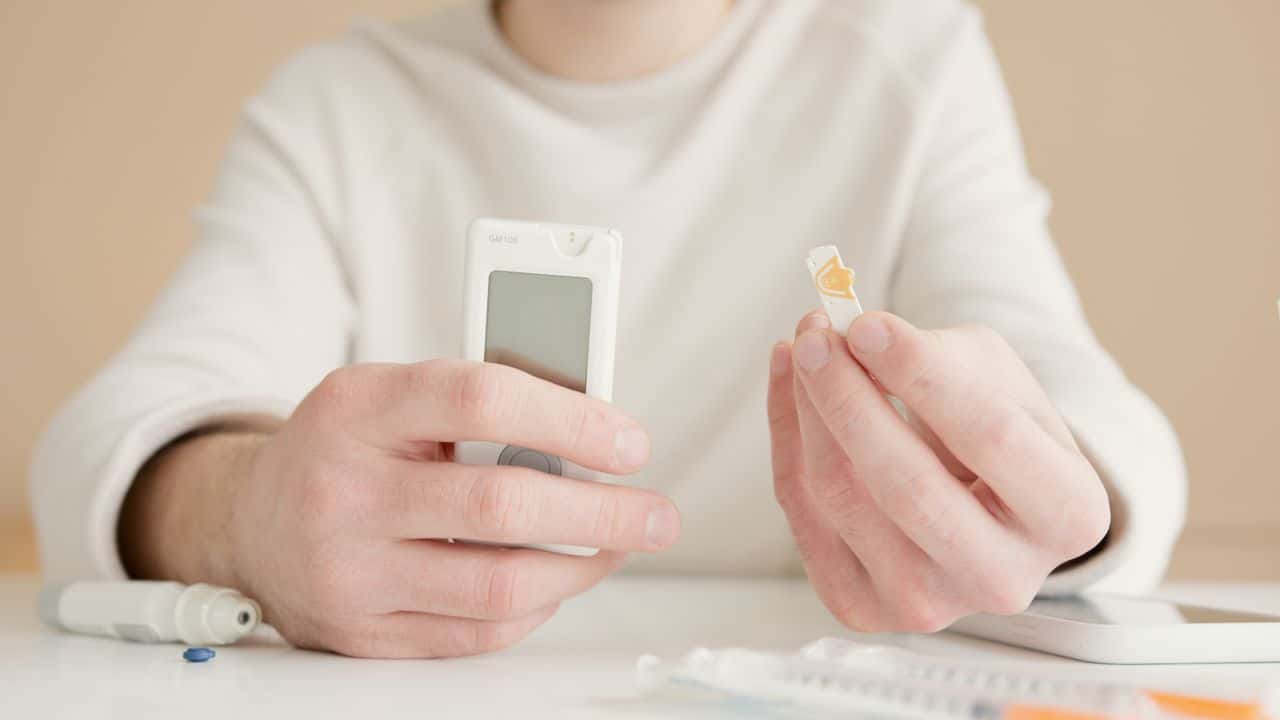
Diabetes distress is a clinically recognized emotional condition affecting up to 45% of people with diabetes, shaped by the cumulative cognitive load of more than 180 daily health-related decisions, and evidence-based approaches like Cognitive Behavioral Therapy and Acceptance and Commitment Therapy provide effective, targeted relief when treatment directly addresses the burden of chronic disease self-management.
The exhaustion you feel from managing diabetes is not a personal failing, and it is not something stronger people simply push past. It has a name: diabetes distress. It is documented, measurable, and more common than most doctors ask about, and recognizing it may be the most important shift you make.
What is diabetes distress — and what it isn’t
Living with diabetes means making hundreds of small decisions every day: what to eat, when to check your blood sugar, how to adjust for stress, sleep, or an unexpected change in routine. Over time, that relentless mental load can wear you down in a very specific way. That experience has a name: diabetes distress.
Diabetes distress is the emotional burden that comes directly from managing a demanding chronic condition. It shows up as worry, frustration, exhaustion, and a sense of being overwhelmed — not by life in general, but by diabetes specifically. It is not a character flaw, a sign of weakness, or a failure to cope. It is a recognized, well-documented response to the real challenges diabetes places on a person every single day.
Diabetes distress is not the same as depression or anxiety
This distinction matters more than it might seem at first. Clinical depression is a broader mental health condition with its own diagnostic criteria, causes, and treatments. General anxiety disorders, similarly, extend well beyond any single life circumstance. Diabetes distress is different because it is situational and specific: it is tied directly to the demands of diabetes management, and it tends to ease when those demands feel more manageable.
That said, diabetes distress and depression can coexist in the same person at the same time. The critical point is that they require different interventions. Treating depression alone will not resolve diabetes distress if the underlying management burden remains unchanged. Addressing one without the other often leaves people still struggling, just in a way that is harder to name.
How clinicians identify and measure it
Diabetes distress is not just a concept — it is measurable. Researchers William Polonsky and Lawrence Fisher developed the Diabetes Distress Scale (DDS-17), a validated 17-item screening tool that clinicians use to identify and quantify distress in people with diabetes. Their foundational research established that distress clusters into four distinct domains: emotional burden, physician-related distress, regimen-related distress, and interpersonal distress. Having a validated tool means that what you feel has been studied, categorized, and taken seriously by the medical community.
Acknowledging that your experience is real and recognized is not a small thing. It is, in fact, where addressing diabetes distress has to begin.
How common is diabetes distress
Diabetes distress is far more common than most people realize, and far more common than most doctors ask about. Research suggests that between 36% and 45% of people with diabetes experience significant distress at any given time. Over a lifetime of managing the condition, the majority of people will go through at least one period of clinically meaningful distress. That is not a small subset of people struggling unusually. That is most people with diabetes, at some point.
Rates tend to be higher among people with Type 1 diabetes, where insulin management is constant, precise, and unforgiving. There is no day off from calculating doses, monitoring glucose, and anticipating what food, stress, sleep, or exercise will do to your numbers. For people with Type 2 diabetes, distress is widely believed to be underreported. Stigma around the condition, including the false idea that Type 2 is simply a result of poor choices, causes many people to stay silent about how much they are struggling. Research on the psychological burden of diabetes has found that adults with diabetes face twice the odds of experiencing significant emotional distress compared to those without the condition.
Despite how common this experience is, diabetes distress is rarely screened for in routine clinical appointments. Most people who are experiencing it have never been directly asked about it by a healthcare provider. That silence can make distress feel like a personal failing rather than what it actually is: a normal response to an abnormal daily demand. The chronic stress that builds inside long-term illness follows predictable patterns, and diabetes distress fits squarely within that picture. You are not struggling because you are weak. You are struggling because this is genuinely hard.
The daily decision burden: how 180+ extra decisions a day create invisible exhaustion
Most people make hundreds of decisions every day without thinking twice. What to wear, when to leave the house, what to eat for lunch. For a person managing diabetes, that list is far longer. Research estimates that people with diabetes make more than 180 additional health-related decisions every single day, layered on top of everything else life demands. That number is not an exaggeration. It is a relentless, invisible weight.
A single day mapped out
Consider what a typical day actually looks like. You wake up and check your glucose before you do anything else. The number you see shapes the next decision: how many carbohydrates to eat for breakfast, how much insulin to take, and when to take it relative to the meal. Then you factor in whether you have a workout planned, because physical activity changes how your body responds to insulin entirely. By mid-morning, your levels may have shifted, so you run a correction. You plan lunch not just around what sounds good, but around carb counts, glycemic impact, and how your morning has gone. The afternoon brings more monitoring. Dinner requires a fresh dosing calculation. Before bed, you weigh overnight basal considerations because your body does not stop metabolizing while you sleep.
That sequence describes one day. It repeats tomorrow, and the day after that, without exception.
Why these decisions are so cognitively costly
Each step in that sequence is not a simple checkbox. Every micro-decision carries real consequences. A miscalculation at breakfast can mean hours of feeling foggy or shaky. A missed correction in the afternoon can affect how you sleep. These are not low-stakes choices, and your brain knows it.
This is where Fisher’s four domains of diabetes distress map directly onto daily life. Regimen-related distress builds with every carb calculation and dosing decision. Emotional burden accumulates when you feel like you can never step away from the numbers. Interpersonal distress surfaces when the people around you have no idea what is actually happening, seeing you glance at your phone when you are in fact calculating a life-sustaining insulin dose. Physician-related distress can compound all of it when you feel your care team focuses only on your A1C rather than on how exhausted the process of getting there has made you.
Decision fatigue is also cumulative. The cognitive reserve you bring to your 180th health decision of the day is not the same reserve you had at your first. This is a well-understood psychological phenomenon, and it helps explain why evening and overnight management errors happen more often than morning ones. Your brain is simply depleted.
There are no days off
One of the most underappreciated aspects of this burden is that it never pauses. There are no diabetes weekends. No holidays where the condition takes a break. No sick days where you can set the monitoring aside and rest. Vacations require extra planning, not less. Illness makes glucose management harder, not easier. The relentlessness of that reality is not just physically tiring. It is a core reason why so many people with diabetes develop genuine psychological distress, even when their clinical numbers look fine to everyone else.
What diabetes distress looks like: signs you might recognize
Diabetes distress does not always announce itself clearly. It tends to build quietly, showing up in small shifts in how you feel, what you do, and how your body responds to ongoing stress. Knowing what to look for is the first step toward doing something about it.
Emotional, behavioral, and physical warning signs
On the emotional side, distress often feels like a low hum of overwhelm tied to the sheer weight of the diabetes routine. You might notice anger or resentment toward the condition itself, guilt after a blood sugar reading that falls outside your target range, or a creeping sense that diabetes is running your life rather than the other way around.
Behaviorally, the signs can look like avoidance. Skipping glucose checks, putting off medical appointments, quietly taking a break from management routines, or steering conversations away from anything health-related are all common responses. Research on the emotional and psychological needs of people with diabetes identifies these avoidance patterns as recognized consequences of unaddressed emotional distress, not personal failure.
Physically, you might experience fatigue that your blood sugar levels do not fully explain, tension headaches that seem to cluster around stressful health moments, or disrupted sleep driven by worry about overnight glucose levels. These physical signals are your nervous system responding to sustained psychological load.
A quick self-check: 10 questions adapted from the DDS-17
The Diabetes Distress Scale (DDS-17) is a validated clinical tool used by healthcare providers to assess distress levels. The questions below are adapted from that framework for personal reflection only. Rate each item from 1 (not a problem) to 6 (a very serious problem).
- Feeling that diabetes takes up too much mental and physical energy.
- Feeling that you are often failing with your diabetes routine.
- Feeling angry, scared, or depressed when you think about living with diabetes.
- Feeling that diabetes controls your life.
- Feeling burned out by the constant effort required to manage diabetes.
- Worrying about whether you are doing enough to manage your condition.
- Feeling that your doctor does not take your emotional concerns seriously.
- Not feeling motivated to keep up with your diabetes self-care.
- Feeling alone in dealing with diabetes.
- Feeling overwhelmed by your diabetes regimen.
Add up your scores and divide by 10 to find your average.
What your score might mean
- Below 2: Little to no distress detected.
- 2 to 3: Moderate distress that is worth paying attention to.
- Above 3: High distress that deserves a conversation with a healthcare or mental health professional.
This self-check is for personal awareness only and does not replace a formal clinical screening. If your score falls in the moderate or high range, that is meaningful information, and sharing it with a professional is a reasonable next step.
Diabetes distress vs. depression vs. burnout vs. diabetes-related anxiety: how to tell the difference
These four states are easy to confuse because they share symptoms like exhaustion, irritability, and a loss of motivation around self-care. They have different causes, different trajectories, and different paths to feeling better. Getting the distinction right matters, because the support that helps one condition may do little for another.
A practical way to compare all four
Here is how each state looks across the dimensions that matter most for getting the right kind of help:
Diabetes distress
- Primary emotion: Overwhelm, frustration, and demoralization tied directly to managing diabetes
- Main trigger: The daily demands of blood sugar monitoring, medication, food decisions, and fear of judgment
- Screening tool: Diabetes Distress Scale (DDS-17)
- What helps most: Addressing the specific management burden, diabetes education, and therapy focused on coping skills
- Does it resolve when diabetes management improves? Yes, often significantly
Clinical depression
- Primary emotion: Persistent sadness, emptiness, or numbness that spreads across all areas of life
- Main trigger: Not tied to one specific stressor — affects work, relationships, sleep, appetite, and sense of self
- Screening tool: Patient Health Questionnaire (PHQ-9)
- What helps most: Therapy, and in many cases, medical evaluation for pharmacological support
- Does it resolve when diabetes management improves? No, not on its own
Diabetes burnout
- Primary emotion: Apathy and defeat, often after years of trying
- Main trigger: Prolonged, unaddressed diabetes distress that leads to active disengagement from self-care
- Screening tool: No formal diagnostic tool; recognized as a clinical pattern rather than a formal diagnosis
- What helps most: Reducing the perfection pressure, rebuilding small sustainable habits, and working with a therapist who understands chronic illness
- Does it resolve when diabetes management improves? Partially — but the burnout itself needs direct attention first
Diabetes-related anxiety
- Primary emotion: Fear and hypervigilance, especially about what could go wrong
- Main trigger: Future-focused worries about hypoglycemia, long-term complications, or being judged by others for diabetes management
- Screening tool: General anxiety scales and diabetes-specific wellbeing tools like the WHO-5
- What helps most: Cognitive behavioral approaches that target fear-based thinking patterns
- Does it resolve when diabetes management improves? Sometimes, but the anxiety often persists even when numbers are in range
The one question that cuts through the confusion
When you are not sure what you are experiencing, ask yourself this: “If my diabetes disappeared tomorrow, would this feeling go away?” If your honest answer is yes, what you are dealing with points more toward diabetes distress or burnout. If the answer is no, or even “I’m not sure,” depression or anxiety may be playing a larger role.