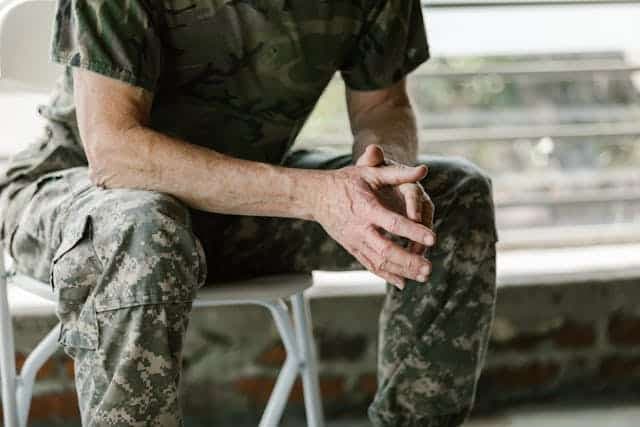
Telehealth mental health support offers military personnel and veterans specialized therapeutic care through licensed professionals who understand military culture, providing evidence-based treatment for PTSD, depression, and service-related challenges through secure, convenient video sessions that eliminate common barriers to accessing mental health care.
Finding therapists who truly understand military life can feel like an impossible mission. That's where telehealth mental health support becomes a game-changer for service members and veterans—connecting you with specially trained providers who get it, right from the comfort and privacy of your own space.
Finding Support Through Telehealth Mental Health Communities
Service members and veterans often experience unique challenges that civilians don’t fully understand. Online mental health communities can provide crucial support and connection.
Content Warning
Please be advised, the following article might mention trauma-related topics that could be triggering to the reader. If you’re experiencing a crisis, please consider reaching out to immediate support resources.
Military personnel and veterans frequently navigate exceptionally challenging experiences—from rigorous training to combat situations—that create a distinct perspective often difficult for civilians to comprehend. These experiences can contribute to mental health concerns like trauma and depression. However, these shared experiences also forge powerful bonds between those who have served.
Because of the unique connection and trust that exists between service members and veterans, support can be particularly effective when it comes from others with military experience. Finding a network of people who understand military life firsthand can be tremendously beneficial for healing and growth.
Service members and veterans can find this community through telehealth mental health platforms like ReachLink, where they can connect with therapists who understand military values and experiences. Let’s explore why peer support is valuable for military personnel and how specialized telehealth services can provide guidance, support, and healing for those connected to the armed forces.
The benefits of specialized telehealth support
Telehealth platforms focused on military communities can provide invaluable services to current and former armed forces members. They foster peer support by connecting service members with therapists who understand their experiences and values. Unlike general mental health services, specialized telehealth platforms for military personnel aren’t just about clinical treatment—they’re about creating a space where service members can speak openly with professionals who understand military culture.
With telehealth services like ReachLink, you can access support, seek guidance, and work through challenges with professionals who understand military life. The convenience of video sessions and flexible scheduling makes it possible to connect when it works for you, regardless of your location or schedule. This type of specialized support can create meaningful connections, promote health and wellness, improve coping skills, and enhance overall quality of life.
Common experiences and culture
Military personnel often develop a unique camaraderie stemming from challenging situations and shared values. The experiences many service members discuss may include:
- Training and deployment cycles
- Multiple duty stations
- Combat deployments
- Separation from family
- Relationship challenges related to military service
Additionally, military service creates a distinctive culture with unique traditions and values centered around duty, honor, and courage.
These experiences and cultural elements can be acknowledged and respected in specialized telehealth settings. Because therapists familiar with military life understand what it means to serve, they may connect more effectively with service members than providers without this background knowledge, making therapeutic conversations more productive.
Some common challenges active service members and veterans face include:
- Trauma stemming from combat, interpersonal conflict, or disasters
- Post-traumatic stress disorder, which may be caused by trauma during service
- Reintegration into family life and establishing their role within their family after deployment
- Depression, experienced at rates significantly higher than civilian populations
- Building new social connections after separation from service
- Career transitions and civilian workforce preparation
- Adjusting to new life structures, whether inside or outside the military
- Addressing basic needs including housing stability
- Adapting to dramatic schedule changes
Specialized support
Connecting with professionals who understand military experiences can help service members feel truly seen and heard. Specialized support can be vital for military personnel, who sometimes live with serious mental health challenges arising from their service.
According to research on best practices for supporting military personnel, there are five key components for effective support programs:
- Social Support: Military personnel benefit from advice, guidance, and understanding from those who comprehend their experiences
- Experiential Knowledge: The ability to provide support is enhanced by firsthand understanding of military-specific concerns
- Trust: Working with someone who understands military culture helps develop stronger therapeutic bonds
- Confidentiality: Knowing their information is secure helps service members feel safe discussing sensitive topics
- Accessibility: Convenient support options remove barriers to seeking help
These components illustrate how telehealth platforms like ReachLink can be particularly helpful when supporting military personnel, as they deliver all five of these crucial features.