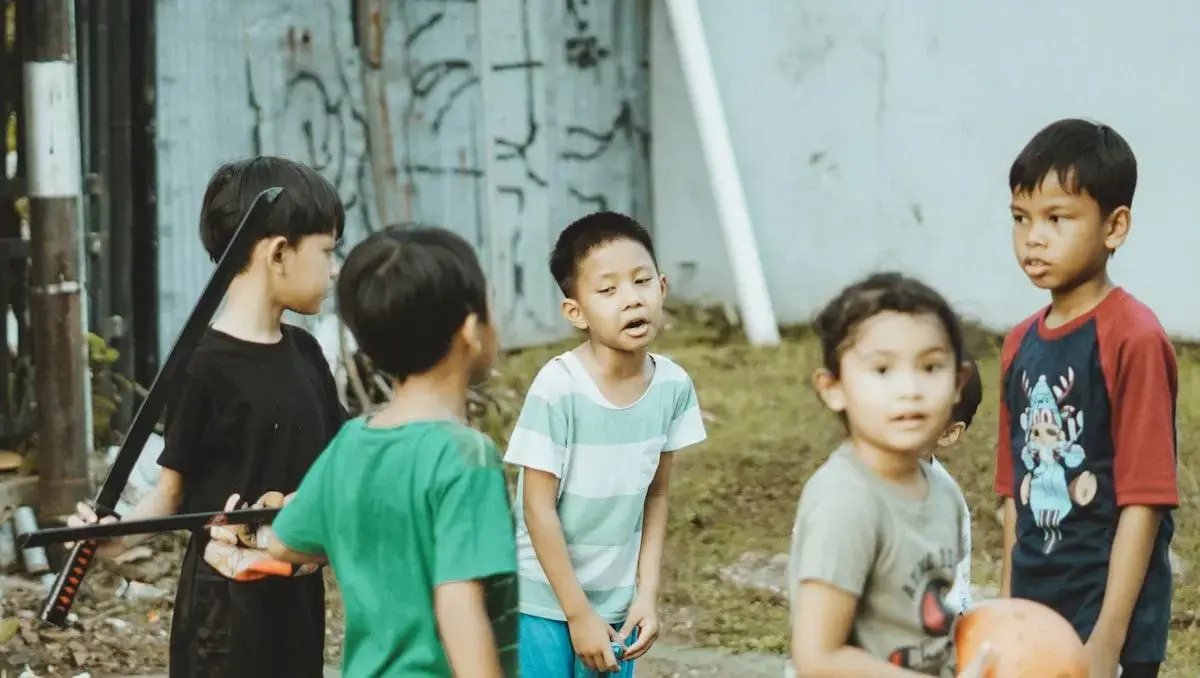
Leadership development occurs throughout life through genetic predisposition, childhood experiences, and intentional skill-building, with therapeutic support helping individuals overcome self-doubt and build authentic confidence necessary for effective leadership at any age.
Ever wonder if great leaders are born with special traits or shaped by their experiences? Leadership development happens through a fascinating blend of genetics, childhood influences, and intentional growth - and the good news is that anyone can strengthen these skills at any stage of life.
What Shapes a Leader? Understanding Leadership Development from Childhood Through Adulthood
Medically reviewed by the ReachLink Clinical Team
Updated [Current Date]
Have you ever wondered whether great leaders are born or made? Perhaps you’ve noticed leadership qualities in yourself or someone close to you and questioned where these traits originated. For parents, understanding how leadership develops can inform how you support your child’s growth. While every person’s journey is unique, research and clinical experience reveal patterns in how leadership qualities emerge and strengthen over time.
Develop your leadership potential with professional support
The nature versus nurture question
The debate over whether leadership is inherited or learned has fascinated researchers, clinicians, and philosophers for generations.
The most accurate answer appears to be that leadership emerges from both genetic predisposition and life experience working together.
Scientific research has identified genetic factors that may influence leadership capacity, including variations in the RS4950 gene. Studies suggest individuals with certain variants of this gene occupy leadership positions at higher rates than those without these variants.
However, genetics represents only part of the picture. Lacking a particular genetic profile doesn’t prevent someone from developing strong leadership abilities. Conversely, genetic predisposition alone doesn’t guarantee someone will cultivate the skills, motivation, or opportunities to lead effectively. What research demonstrates is that leadership qualities may develop more organically for some individuals than others, influencing their behaviors and experiences from childhood forward. Yet environmental factors, personal choices, and life circumstances play equally vital roles in shaping who becomes a leader.
How childhood experiences shape leadership capacity
The environment in which a child develops—including parenting approaches, educational experiences, and broader social contexts—significantly influences adult behavior patterns. Leadership development is no exception.
Parenting styles vary considerably, and some research suggests that children of parents who encourage autonomy and critical thinking may develop leadership qualities more readily. However, the relationship between specific parenting approaches and leadership outcomes remains complex and multifaceted.
Educational experiences also matter considerably. Classroom environments that incorporate perspective-taking exercises, collaborative problem-solving, and opportunities for students to practice decision-making may foster skills that support later leadership.
Research hasn’t identified a single childhood profile that reliably produces leaders. Some evidence suggests that environments encouraging open expression of opinions, participation in family decisions, and curiosity through questioning may support leadership development, though many successful leaders emerged from quite different circumstances.
According to clinical research, the most significant predictor of effective leadership is the ability to connect meaningfully with others. Children who naturally demonstrate strong interpersonal skills or who receive support in developing them may have advantages in later assuming leadership roles.
Supporting leadership development in children
While no single pathway guarantees a child will become a leader, parents and caregivers can take intentional steps to nurture behaviors and capacities associated with effective leadership. If you’re interested in parenting in ways that may encourage leadership qualities, consider these approaches.
Create space for appropriate risk-taking
When safe and age-appropriate, allow your child to take chances and encounter natural consequences. The instinct to protect children from all risks is understandable, yet children benefit from developing problem-solving capabilities through experience. Your role involves helping them learn to assess risks and navigate consequences with your support available when they struggle or fail.
Involve children in decision-making
Effective leaders regularly make complex decisions and initiate action in social contexts. Children who never have opportunities to make meaningful choices within their families or contribute their perspectives to household conversations may feel less comfortable with decision-making responsibilities as adults.
Cultivate genuine confidence
Many effective leaders demonstrate healthy confidence and the capacity to acknowledge their accomplishments appropriately. You can foster this in your child by helping them recognize when they’ve achieved goals, creating environments where they feel safe expressing their thoughts, and responding with empathy to their challenges as they mature.
Maintain realistic, developmentally appropriate expectations
Expectations that exceed a child’s developmental capacity can undermine motivation and create feelings of inadequacy. While recognizing your child’s strengths and potential is important, remember that children have mental health needs that must be respected. Pressure to perform at specific academic levels, excel in particular activities, or behave in ways beyond their developmental stage creates significant stress.
If your regard for your child fluctuates based on their performance in specific domains, reflect on whether your expectations serve their wellbeing. Research indicates that children raised with authoritarian parenting approaches experience higher rates of behavioral difficulties and stress-related challenges.
Model the behaviors you hope to see
Children learn powerfully through observation. Demonstrating leadership behaviors yourself encourages your child to develop similar patterns. Research confirms that young children frequently imitate the behaviors and communication styles of their parents, and that parental language significantly shapes children’s development. Being mindful of how you interact with your child and others models the behaviors that effective leaders demonstrate. Consider sharing stories, films, or books featuring strong leaders and discussing their characteristics with your child.