Easter Sunday traditions provide therapeutic benefits through cultural rituals that promote emotional renewal, community connection, and spiritual reflection, offering valuable opportunities for mental wellness practices and meaningful personal growth when integrated into mental health support strategies.
Have you ever noticed how certain days carry the power to transform our emotional landscape? Easter Sunday brings more than just springtime celebrations—it offers profound lessons about hope, renewal, and personal transformation that resonate deeply with our journey toward emotional wellbeing.
The Heart of Easter Sunday: Exploring Its Cultural and Emotional Significance Through a Therapeutic Lens
Easter Sunday stands as a day of profound cultural and emotional significance, celebrated by millions worldwide. Rooted in the Christian story of Jesus Christ’s resurrection, this holiday encompasses diverse traditions reflecting themes of renewal, hope, and togetherness. Let’s explore Easter’s history, traditions, and the emotional significance it holds for those who celebrate.
Understanding Easter’s Meaning
Easter celebrates the resurrection of Jesus Christ. According to Christian faith, Jesus was crucified and rose from the dead three days later. This event, described in the New Testament, represents the fulfillment of God’s promise of salvation—through Jesus’s sacrifice and resurrection, humanity can find forgiveness and eternal life. This narrative forms the cornerstone of Christian faith, symbolizing hope and renewal.
Interestingly, Easter’s origins connect to pre-Christian celebrations honoring renewal, fertility, and nature’s rebirth in spring. Many historians link Easter traditions to ancient celebrations of the goddess Eostre, associated with spring and dawn in Anglo-Saxon mythology. Symbols like eggs and rabbits, representing fertility and new life, predate Christian practices but were later integrated into Easter customs.
The Resurrection’s Significance in Christian Faith
The resurrection represents the ultimate triumph of life over death and sin within Christian theology. Jesus’s death is understood as an act of self-sacrifice for humanity; by giving His life, He took on the consequences of human wrongdoing, offering a path to forgiveness and reconciliation with God.
Christian theologians describe the Resurrection as “substitutionary atonement”—Jesus acted as a substitute for humanity, bearing punishment for sins so others wouldn’t have to. This concept draws from Jewish traditions of atonement, where ritual sacrifices symbolically carried away community sins and restored relationship with God. Within Christianity, Jesus fulfills these sacrificial practices, permanently bridging the gap between humanity and God.
Easter Sunday Traditions Around the World
Easter Sunday concludes Holy Week, which begins on Palm Sunday and includes various observances honoring Christ’s final days. Easter celebrations blend religious practices with unique cultural customs across the globe, reflecting universal themes of hope, renewal, and community.
Religious Observances
Many churches hold sunrise services symbolizing the empty tomb discovered at dawn. Some conduct Easter vigils on the Saturday before, marking the transition from Holy Week to Easter Sunday. These ceremonies unite worshippers through hymns, prayers, and scripture readings.
In Spain and the Philippines, elaborate processions throughout Holy Week reenact events from Christ’s Passion. Foot-washing ceremonies, often performed on Maundy Thursday, commemorate Jesus washing his disciples’ feet, symbolizing humility and service.
Festive Foods and Feasts
Christians worldwide celebrate with traditional dishes reflecting their heritage. European celebrations often feature lamb, symbolizing Christ as the Lamb of God, alongside Easter bread or cakes. In the United States, ham and chocolates like Easter bunnies and eggs are popular. Latin American celebrations typically include tamales and empanadas.
Easter Egg Traditions
Easter eggs universally symbolize new life and renewal. Some interpret eggs as representing the Holy Trinity, with yolk, white, and shell forming three parts in one egg.
Decorating eggs appears in various customs worldwide. Ukrainian pysanky feature intricate wax-resist designs, while Western countries favor brightly dyed eggs. Easter egg hunts invite children to find hidden treat-filled eggs, while egg rolling races symbolize the stone rolling away from Jesus’s tomb.
Unique Regional Traditions
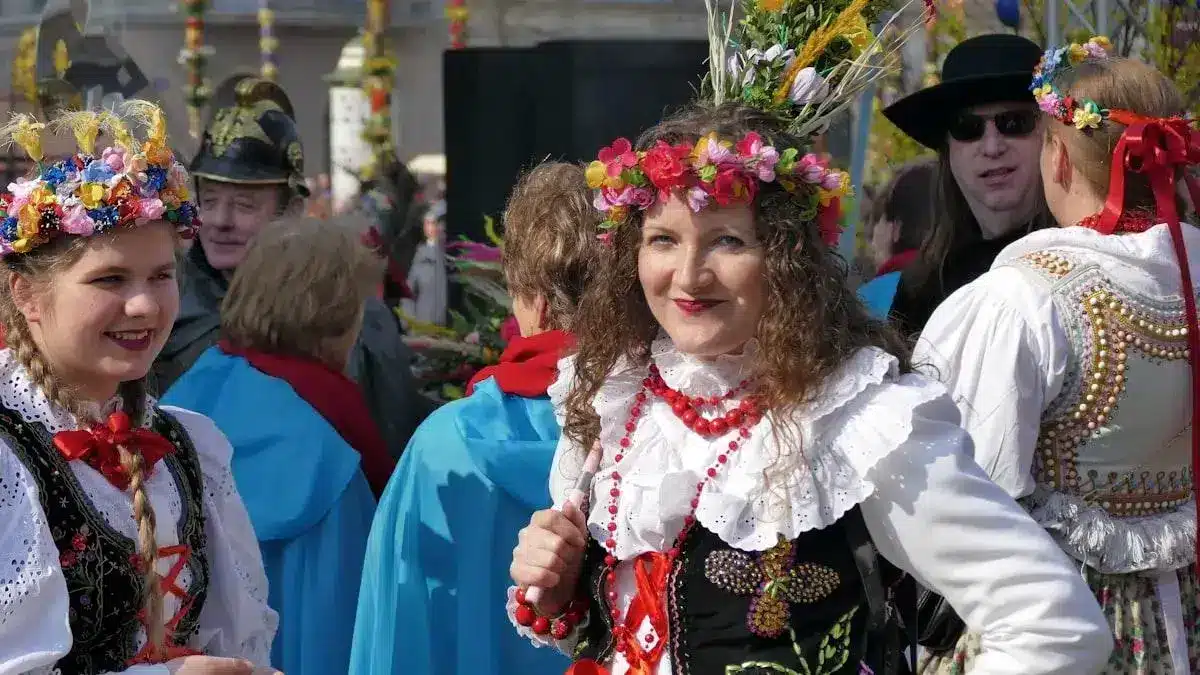
Easter traditions vary globally with distinctive cultural expressions. Poland and Hungary celebrate Easter Monday with playful water fights symbolizing renewal. Western cultures embrace the Easter Bunny delivering eggs and treats. Scandinavian countries incorporate Easter witches and bonfires into their celebrations.
Sacrifice and Reflection: Ash Wednesday and Lent
Ash Wednesday marks the beginning of Lent, a 40-day period preceding Easter Sunday. Observed by many Western Christian denominations, Lent encourages believers to reflect on mortality, acknowledge sins, and seek spiritual renewal.
During this period, many Christians engage in fasting, prayer, and reflection to prepare for Easter. This time commemorates Jesus’s 40-day fast in the wilderness and his resistance to temptation. Believers often sacrifice certain luxuries, commit to service, or deepen spiritual practices to strengthen their faith. Lent emphasizes self-discipline, repentance, and renewal leading up to the celebration of resurrection.