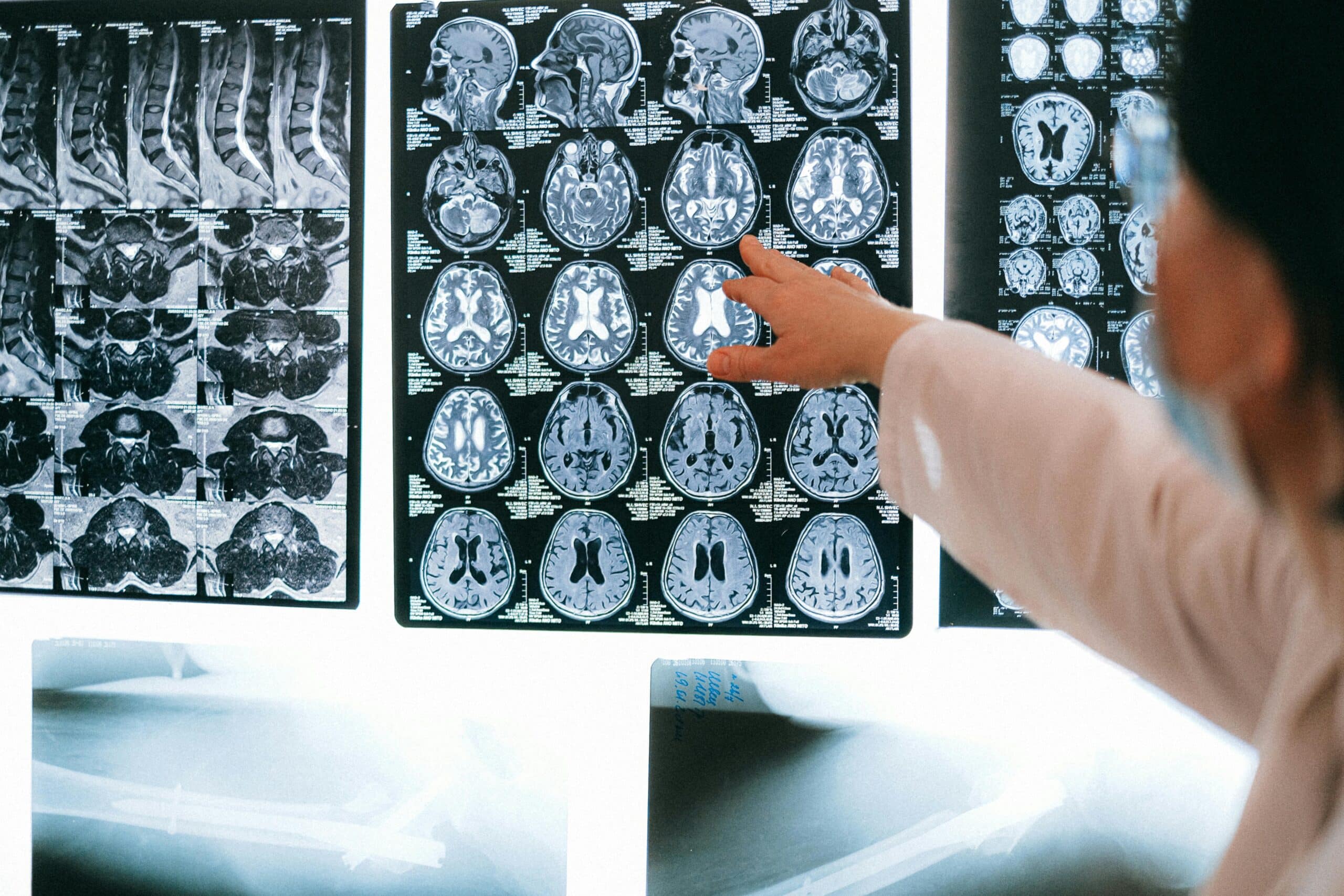
Traumatic brain injuries can cause persistent cognitive, emotional, and behavioral changes that significantly impact daily functioning, requiring comprehensive therapeutic support to develop effective coping strategies and manage long-term psychological effects through evidence-based mental health interventions.
Have you noticed changes in your thinking, emotions, or behavior after experiencing head trauma? Traumatic brain injuries can leave you feeling confused, anxious, and uncertain about the future — but understanding the long-term effects and learning adaptive coping strategies can help you navigate this challenging journey with greater confidence.
Traumatic Brain Injuries: Understanding, Recognizing, and Managing Long-Term Effects
Content warning: Please be advised, the below article might mention trauma-related topics that could be triggering to the reader.
Recent advancements in neurology have heightened awareness about the serious implications of traumatic brain injuries (TBIs) among healthcare professionals and the general public alike. Of particular concern is chronic traumatic encephalopathy (CTE), a progressive neurological condition linked to repeated head trauma. If you or someone you care about has experienced head injuries or participates in activities with risk of head impact, understanding the potential long-term effects on cognitive health is crucial. This article explores what we currently know about TBIs and conditions like CTE, including risk factors and preventative strategies.
Chronic traumatic encephalopathy represents a form of neurodegenerative disease that can lead to significant cognitive decline and dementia-like symptoms. Individuals affected typically experience disorientation, confusion, and difficulties with mood regulation and memory. Research indicates that CTE develops from sustaining multiple head injuries over relatively short timeframes, causing progressive damage to brain cells. Current evidence suggests that reducing exposure to head trauma is the most effective prevention strategy. For those experiencing symptoms or anxiety about potential brain injury effects, working with a licensed mental health professional through ReachLink’s telehealth platform can provide valuable support and coping strategies.
Recognizing Potential Symptoms of Brain Injury Complications
Currently, definitive diagnosis of conditions like CTE can only be confirmed through post-mortem brain examination. However, research has identified clusters of symptoms that may indicate traumatic encephalopathy syndrome, potentially signaling underlying neurological damage.
These symptoms generally fall into four main categories:
- Cognitive symptoms
- Mood symptoms
- Behavioral symptoms
- Motor symptoms
#1: Cognitive Indicators of Neurological Damage
Many individuals later confirmed to have neurological damage from repeated head trauma demonstrate impaired cognitive abilities, including:
- Difficulty maintaining attention and focus
- Memory impairment
- Challenges managing complex tasks
- Problems with visual-spatial perception
- Difficulties with language processing and communication
- Reduced ability to transition between concepts
- Diminished self-awareness
These difficulties typically worsen gradually and may eventually progress to dementia. Cognitive impairments strongly correlate with the underlying brain pathology and often represent the most characteristic signs of conditions like CTE.
#2: Emotional and Mood Changes
Disturbances in emotional regulation and mood stability frequently occur with brain injuries and conditions like CTE:
- Unpredictable mood swings
- Heightened irritability
- Apathy or diminished interest in previously enjoyed activities
- Emotional blunting
- Persistent hopelessness
- Episodes of mania or euphoria
- Suicidal ideation
These symptoms can resemble other mental health conditions like depression and anxiety, making them difficult to attribute specifically to neurological damage without additional indicators.
#3: Behavioral Changes Following Brain Injury
Changes in behavior patterns can signal neurological complications from head trauma:
- Socially inappropriate conduct
- Reduced impulse control
- Aggressive behavior or explosive anger episodes
- Noticeable personality changes
- Paranoid thinking
- Social withdrawal
- Exaggerated self-importance
Like mood symptoms, behavioral changes may overlap with other psychological or neurological conditions.
#4: Motor Function Impairment
Some individuals with neurological damage from head trauma develop movement difficulties, though these tend to be less common:
- Impaired coordination and motor control
- Abnormal walking patterns
- Muscle weakness
- Parkinson’s-like symptoms (tremors, rigidity, bradykinesia)
- Facial paralysis and speech difficulties
Understanding the Causes of Neurological Damage from Head Trauma
While research continues to develop our understanding of conditions like CTE, current evidence strongly indicates that repeated head trauma represents the primary risk factor.
Neurological damage appears most prevalent among participants in high-contact activities—early medical descriptions focused on boxers who had sustained numerous blows to the head.
When the head experiences forceful impact, the brain can undergo rapid acceleration and deceleration, causing nerve cells to stretch and deform. This can result in tearing and bleeding, potentially compromising cell wall integrity and damaging blood vessels.
The inflammatory response triggered by repeated brain injuries appears to cause abnormal protein accumulation around damaged cells. This interferes with normal neuronal functioning and can eventually lead to cell death and brain tissue deterioration. The process shares similarities with Alzheimer’s disease pathology, though with distinct patterns of protein aggregation.