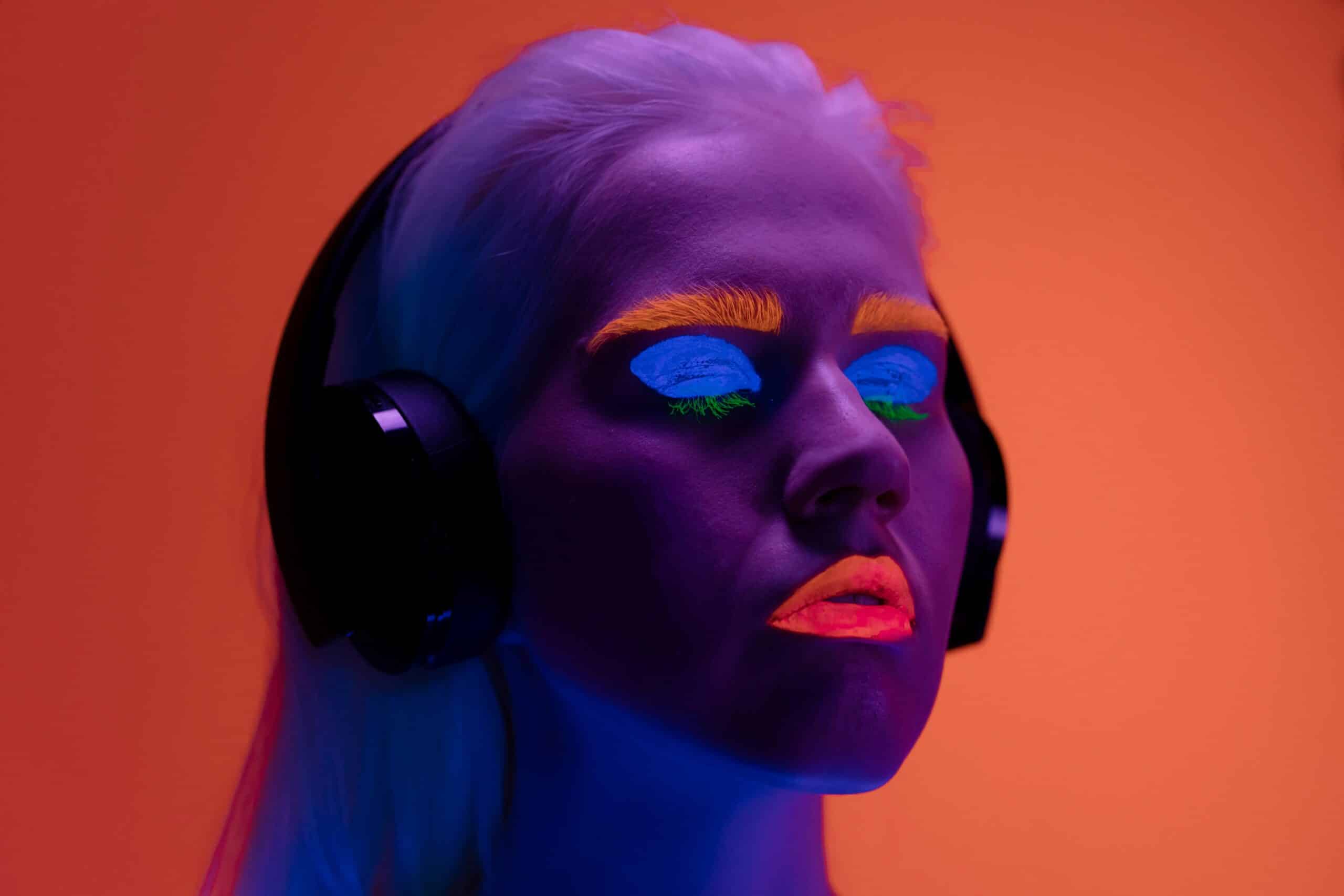
Synesthesia affects about 4% of people through automatic cross-sensory experiences like seeing colors when hearing sounds or tasting words, and while typically harmless, licensed therapists can provide support when sensory overwhelm or related anxiety occurs.
What if the way you experience the world is completely different from everyone else around you, but you've never realized it? Synesthesia, a fascinating neurological phenomenon where senses blend together, affects about 4% of people who often don't even know they have it.
What Is Synesthesia?
Synesthesia refers to a perceptual condition characterized by a blending of sensory experiences. For example, for people with synesthesia, specific words may have a flavor, days of the week may have different personalities, or the sound of music may be associated with colors. Synesthesia is not considered to be a disorder and usually causes no ill effects. Read on to learn more about this condition, its history, and some of the various forms of it that have been identified.
Understanding Synesthesia: A Blending of the Senses
The American Psychological Association defines synesthesia as “a condition in which stimulation of one sense generates a simultaneous sensation in another. These concomitant sensations are automatic (i.e., unintentional, uncontrollable, nonconscious, and efficient), vivid, and consistent over time”.
In other words, the individual doesn’t have to try to experience these perceptions, and the associations their brain makes (e.g., Wednesday and the color blue) are usually fixed throughout their lives.
In most situations, synesthesia is not considered a disorder. Except in a few rare cases in which an individual complains of synesthesia overload, people with this manner of functioning are generally quite comfortable with it and live happy, creative, imaginative lives, stimulated by their extra sensation boost.
The Prevalence of Synesthesia
As one paper on the topic reports, synesthesia can occur “in response to drugs, sensory deprivation, or brain damage”, or it can be genetically inherited and experienced throughout a person’s life. Those with the genetic form of synesthesia are estimated to make up around 4% of the general population. However, it’s entirely possible that the actual incidence of the condition is higher because many people likely don’t know they have it. For example, a person might be surprised to discover that others aren’t able to pick out the letter “A” as quickly as they can in a letter-identification puzzle because, for others, the “A” does not stand out in the color red as it does for them.
This phenomenon raises fascinating questions about subjective experience: how do we know when our perception of the world differs from others when we have no other reference point? Many synesthetes go through life assuming everyone experiences sensory information the way they do, only discovering their unique perceptual processing when the topic comes up in conversation or through reading about it.
A Historical Perspective on Synesthesia
Cases of synesthesia have been reported throughout history. For example, a German poet and philosopher in 1772 mentioned that “through a sudden onset”, some people could “immediately associate with this sound that color”. In the mid-1800s, a French physician called this phenomenon “hyperchromatopsie (perception de trop de couleurs)”, referring to it as a “perception of too many colors”. Well-known Swiss psychiatrist Carl Jung mentioned it in one of his books in 1912, noting some people’s “perception of the tonal quality of colors and the chromatic quality of musical tones”. By the 1980s and 1990s, synesthesia had entered the mainstream both in terms of research and popular culture.
This historical progression reveals evolving attitudes toward atypical perceptual experiences. What earlier generations might have dismissed or pathologized, contemporary science recognizes as a legitimate neurological variation worthy of study and understanding.
The Many Forms of Synesthetic Experience
Synesthesia describes the phenomenon where a person experiences a sensory perception that’s not normally related to the original sense through which they received the stimulus. Beyond this basic description, however, it can take many forms. Estimates on how many forms of this condition may exist range from 50 to 100 or more. Let’s take a look at just a few of these.
Grapheme-Color Synesthesia: Letters and Numbers in Living Color
Grapheme color is thought to be the most common form of synesthesia. People who have it generally see certain letters or numbers tinged with colors, or perceive them this way in their mind’s eye. Another variation of this type is “spatial sequence synesthesia”, in which a person sees the grapheme—a letter or number—as positioned differently in space. A seven may be large and close up while a four may seem to be very far away, for example.
For some individuals, this form of synesthesia provides unexpected advantages in tasks requiring quick visual identification or memory recall, though they may not recognize these benefits as stemming from an unusual perceptual process.
Sound-Color Synesthesia: A Symphony of Visual Experience
Another common form of synesthesia involves seeing colors or colorful shapes while hearing sounds. A person with sound-color synesthesia might see a sparkle of fireworks when a garbage can lid clatters, for instance, or they may see drifting blue smoke when a cat meows. Some people with sound-color synesthesia may only see colors with select, everyday sounds, while others may only experience it with music.
This type can transform the auditory world into a rich, multisensory landscape where sound carries visual dimensions that others never perceive.
Ordinal-Linguistic Personification: When Sequences Have Personalities
With this variation of synesthesia, anything that comes in a sequence—such as days of the week, months of the year, letters, or numbers—may be associated in a person’s mind with distinct personalities, genders, and/or relationships. For example, the numbers one, two, and three might be perceived by a person with OLP as children who play together, or March and April might be sisters.
Because this isn’t necessarily a direct sensory association, though, there’s some debate as to whether it should be classified as a type of synesthesia. However, because it’s involuntary and automatic—characteristics central to synesthetic experience—many researchers believe it should be included in the category. This ongoing discussion highlights the definitional boundaries of synesthesia and what constitutes a “sensory” experience.
Lexical-Gustatory Synesthesia: The Taste of Words
In this rare form of synesthesia, an individual will experience phantom tastes when hearing, speaking, reading, or thinking about words”. For example, the word “desk” might taste like gingerbread, or “lantern” like icing. Sometimes, this type of synesthesia can be letter-associative. For example, the letter “C” might taste like chocolate.
Mirror-Touch Synesthesia: Feeling What Others Feel
Mirror-touch synesthesia refers to when a person experiences a phantom bodily sensation when they see another person experiencing one. For example, one well-known study had MTS synesthetes watch someone’s open palm be touched, and they reported feeling a sensation in the same part of their own palm.