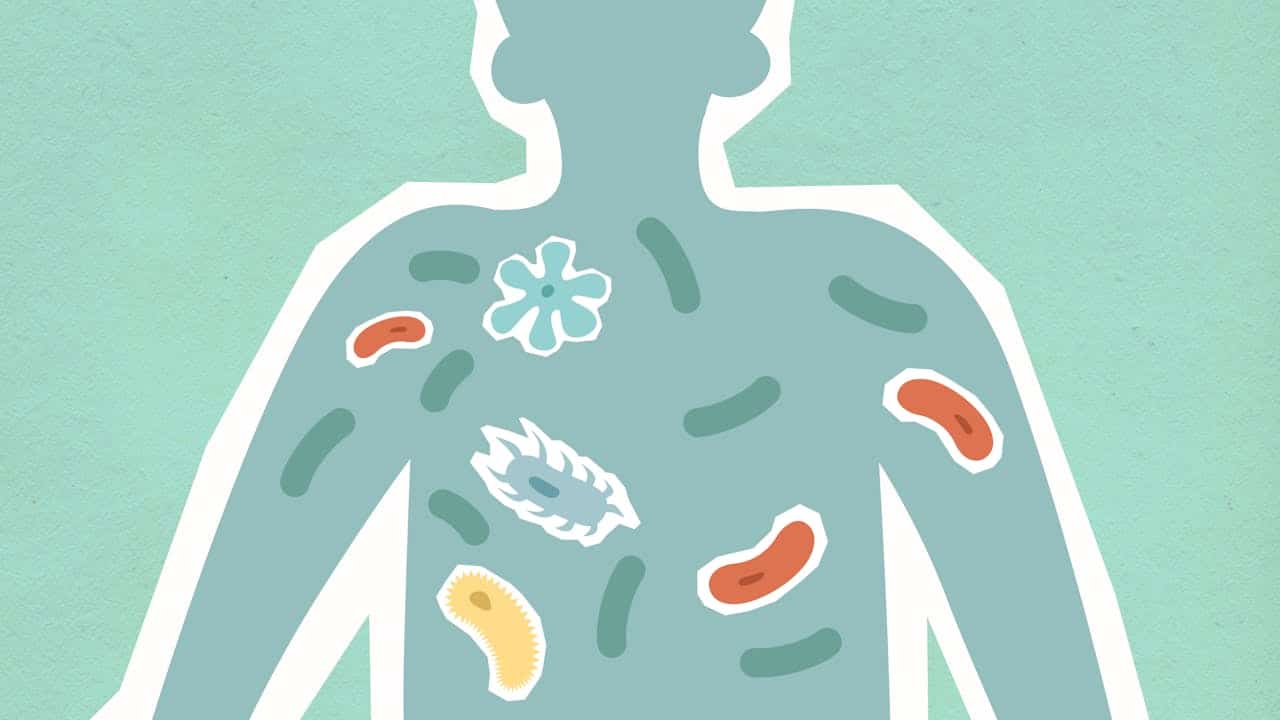
Gut microbiome interventions using specific probiotic strains demonstrate modest but consistent benefits for anxiety, depression, and stress symptoms according to recent clinical trials, with multi-strain formulations showing the strongest therapeutic effects when combined with professional mental health treatment.
Your gut produces 95% of your body's serotonin - the neurotransmitter that regulates mood - yet most people struggling with anxiety or depression never consider gut microbiome interventions. Recent clinical trials reveal what probiotics actually accomplish for mental health, and the results challenge everything you thought you knew about treating emotional symptoms.
The gut-brain axis: A quick primer on bidirectional communication
Your gut and brain are in constant conversation, exchanging information that shapes everything from your mood to your stress response. This connection, known as the gut-brain axis, operates through a sophisticated network of communication pathways that scientists are only beginning to fully understand.
The numbers alone reveal how central your gut is to mental health. Your digestive system contains roughly 500 million neurons, sometimes called the “second brain.” Even more striking, about 95% of your body’s serotonin, a neurotransmitter closely linked to mood regulation, is produced in your gut, not your brain. This means the state of your digestive system has direct implications for how you feel emotionally.
This communication flows both ways through multiple channels. The vagus nerve serves as a direct highway between your gut microbes and your brain, transmitting signals in both directions. Beyond this neural pathway, your gut and brain also communicate through immune, endocrine, and metabolic pathways that influence everything from inflammation levels to hormone production. When your gut microbiome, the trillions of bacteria living in your digestive tract, changes composition, these signals change too.
These pathways help explain why gut microbiome composition influences stress response, mood regulation, and cognitive function. They also clarify why digestive issues and mental health concerns so often appear together. If you’ve experienced stomach problems during periods of anxiety, or noticed mood changes alongside digestive symptoms, you’re witnessing the gut-brain axis in action.
How gut microbes actually influence your mental health
Your gut microbiome doesn’t just sit passively in your digestive system. It actively communicates with your brain through multiple biological pathways, each capable of shifting your mood, stress response, and emotional resilience. Understanding these pathways helps explain why gut health interventions can affect mental health in surprisingly specific ways.
The most direct route is through the vagus nerve, a superhighway of communication between your gut and brain. This nerve transmits signals from gut bacteria directly to brain regions that control mood and emotional regulation. When your microbiome composition changes, the messages traveling along this neural pathway change too, potentially influencing how you feel from moment to moment.
Your gut bacteria also act as immune system regulators, controlling the production of inflammatory molecules called cytokines. People experiencing depression and anxiety often show elevated levels of certain inflammatory cytokines. When gut interventions shift bacterial populations, they can reduce this inflammation, which may explain some of the mental health benefits researchers observe.
The endocrine pathway connects your microbiome to your stress response system. Gut bacteria influence the HPA axis stress response and cortisol regulation, the mechanism that determines how your body reacts to stressful situations. A balanced microbiome can help keep cortisol levels steady, while an imbalanced one might contribute to a hair-trigger stress response.
Gut bacteria also produce metabolic compounds that directly affect brain function. They manufacture short-chain fatty acids (SCFAs) that reduce inflammation and support the gut barrier, and they create neurotransmitter precursors, including building blocks for GABA, which promotes calm, and serotonin, which regulates mood.
What makes this complex is that different probiotic strains and gut health interventions target different pathways. A probiotic that reduces inflammation might work through the immune pathway, while dietary changes that boost SCFA production operate through the metabolic pathway. This explains why personalization matters and why a probiotic that helps one person with anxiety might not work the same way for another.
What the 2023–2025 research actually shows: Evidence by condition
The past two years have brought a wave of larger, better-designed clinical trials that help clarify what probiotics can and can’t do for mental health. While earlier studies often involved fewer than 50 participants, recent trials now routinely include 200 or more people, making the findings more reliable. The results show modest but consistent benefits for specific conditions, though with important caveats about how different strains and doses perform.
Evidence for depression
Multiple recent trials have examined probiotics as add-on support for people experiencing depression treatment. A meta-analysis of depression trials found that multi-strain probiotic formulations produce moderate effect sizes, with standardized mean differences (SMD) ranging from 0.3 to 0.5. To put that in perspective, an SMD of 0.3 is considered a small to moderate clinical effect, similar to what you might see with some lifestyle interventions.
The most promising results come from studies where probiotics are used alongside standard therapy or medication rather than as standalone treatments. Multi-strain formulations, which typically combine three to eight different bacterial species, consistently outperform single-strain products in head-to-head comparisons. The most studied combinations include Lactobacillus and Bifidobacterium species, often taken for at least eight weeks.
One major limitation is that different studies use varying bacterial strains, doses, and participant groups, making it difficult to identify exactly which formulation works best for which person.
Evidence for anxiety disorders
The research on anxiety symptoms shows a clearer pattern than depression studies. Recent trials demonstrate the strongest effects for generalized anxiety, particularly when interventions last eight weeks or longer. A standardized mean difference of 0.21 has been documented across multiple anxiety studies, representing a small but meaningful reduction in symptoms.
Interventions targeting generalized anxiety tend to show more consistent results than those studying social anxiety or panic symptoms. This may reflect differences in how these conditions relate to gut-brain signaling, though researchers are still working out the mechanisms. The effective dose range typically falls between 1 billion and 10 billion colony-forming units (CFUs) daily, with higher doses not necessarily producing better outcomes.
Most participants in these studies were already receiving standard care, suggesting probiotics work best as complementary support rather than primary treatment.
Evidence for stress and resilience
Stress response studies have produced some of the most consistent findings in probiotic research. Multiple trials show that specific probiotic strains can reduce cortisol levels, the primary stress hormone, by 15 to 25 percent compared to placebo. These changes correspond with self-reported improvements in perceived stress and better performance on cognitive tasks under pressure.
Researchers measure resilience through various markers, including heart rate variability, inflammatory markers, and psychological questionnaires. Probiotics appear to improve several of these indicators simultaneously, suggesting they influence multiple stress-related pathways. The effects typically emerge after four to six weeks of consistent use and fade within a few weeks of stopping.
Some studies show benefits in about 60 percent of participants, while others struggle to identify who will respond before starting treatment. This variability remains one of the biggest challenges in translating research into practical recommendations.
The probiotic strain selector: Evidence-based matching guide
Not all probiotics work the same way, and choosing the right strain matters more than picking the product with the highest CFU count. Think of probiotic strains like medications: just as you wouldn’t take any antibiotic for any infection, you shouldn’t expect any probiotic to address your specific mental health concern. The research shows that specific strains target specific pathways in the gut-brain axis, and understanding these connections can help you make informed choices.
Lactobacillus rhamnosus (JB-1): The anxiety specialist
This strain has shown promise for anxiety reduction through a compelling mechanism: it appears to activate the vagus nerve, which serves as a direct communication highway between your gut and brain. Studies suggest that L. rhamnosus JB-1 may influence GABA receptors, the same neurotransmitter system targeted by many anti-anxiety medications. Look for products containing 1 to 10 billion CFU of this specific strain. The strain designation matters, as L. rhamnosus without the JB-1 designation has not been studied for these effects.
Bifidobacterium longum 1714: The stress buffer
If chronic stress is your primary concern, research on B. longum 1714 demonstrates specific benefits for stress resilience and cortisol reduction. In clinical trials, participants taking this strain showed improved stress responses and better performance on memory tasks during stressful situations. The minimum effective dose appears to be 1 billion CFU, taken daily. This strain seems to work by modulating the HPA axis, your body’s central stress response system.
Lactobacillus helveticus R0052 + Bifidobacterium longum R0175: The combination approach
Some manufacturers combine strains for synergistic effects. The pairing of L. helveticus R0052 with B. longum R0175 has clinical evidence supporting its use for both depression and anxiety. This combination appears in several commercially available products specifically marketed for mood support. The research suggests these two strains work together to reduce psychological distress and improve overall mood scores on standardized assessments.
Lactobacillus plantarum PS128: The emerging mood modulator
This strain represents the frontier of psychobiotic research, with preliminary evidence suggesting it influences dopamine pathways. L. plantarum PS128 may support mood regulation through different mechanisms than the strains listed above, potentially affecting motivation and pleasure responses. The evidence quality is at a preliminary level, meaning we have promising early data but need more robust clinical trials before drawing firm conclusions.
Understanding evidence quality ratings
When evaluating probiotic research, consider the strength of evidence. Gold-level evidence comes from multiple randomized controlled trials (RCTs) showing consistent results across different populations. Silver-level evidence includes a single well-designed RCT or strong observational studies with clear mechanisms. Bronze-level evidence represents preliminary findings that need confirmation. Most psychobiotic strains currently sit at silver or bronze levels, which means the science is promising but still developing.
Duration and dosing: What the research tells us
Mental health benefits from probiotics don’t appear overnight. The minimum duration for seeing psychological effects in clinical trials is typically 8 weeks, with 12 weeks being optimal for many strains. This timeline makes sense when you consider that probiotics need time to colonize your gut, influence microbiome composition, and create measurable changes in gut-brain signaling. Starting a probiotic and stopping after two weeks won’t give you meaningful information about whether it works for you.
CFU counts matter less than you might think. A researched strain at 1 billion CFU will likely outperform a generic blend at 50 billion CFU because strain specificity determines which pathways get activated. When choosing a probiotic for mental health, prioritize products that list the exact strain designations, such as “1714” or “JB-1,” and cite the research supporting those specific strains.
The 12-week gut-brain implementation protocol
Research on gut-brain interventions typically spans 8 to 12 weeks, giving your microbiome time to shift and your mental health symptoms time to respond. This protocol breaks down the process into manageable phases with clear decision points.
Foundation phase: Weeks 1–4
Start by establishing your baseline. For the first two weeks, track three simple metrics daily: your mood on a 1–10 scale, any digestive symptoms like bloating or irregularity, and your energy levels throughout the day. At the same time, begin shifting toward a Mediterranean-style eating pattern with plenty of vegetables, whole grains, legumes, fish, and olive oil. This creates the nutritional foundation that supports beneficial gut bacteria.