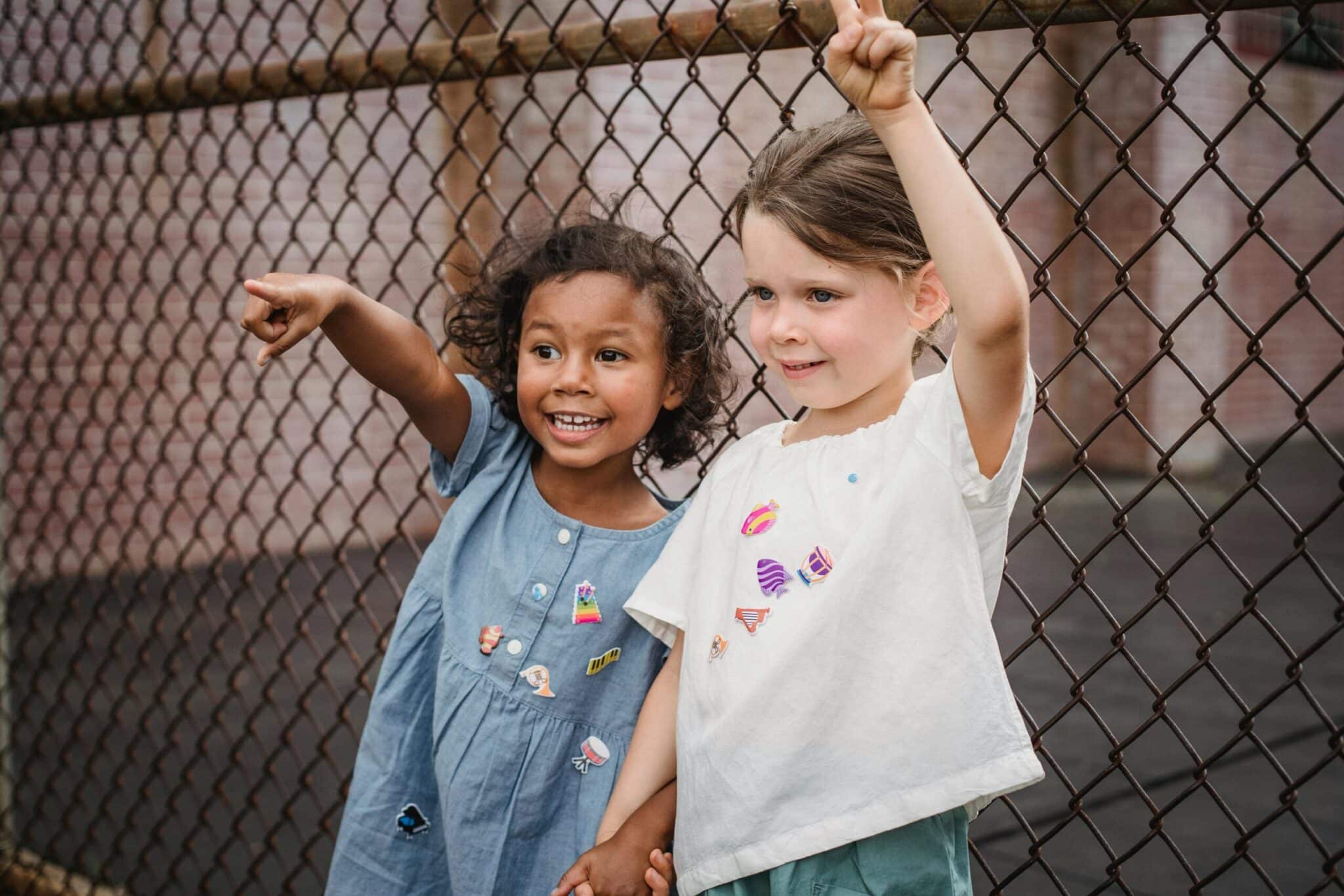
Childhood friendships shape crucial developmental outcomes through distinct stages from preschool through adolescence, with research showing that early positive peer relationships contribute to improved behavioral adjustment, stronger social skills, and lower rates of mental health challenges in adulthood.
Remember that special friend who knew all your secrets in grade school? These early childhood friendships shape who we become in profound ways, influencing everything from our social skills to our mental well-being. Discover how these precious connections impact development and learn to nurture them effectively.
The Lasting Impact of Childhood Friendships: Development, Growth, and Beyond
Childhood friendships play a vital role in healthy development. Like adult relationships, these early connections promote happiness and reduce stress, significantly influencing a child’s overall well-being.
The positive effects of friendship benefit children from toddlerhood through adolescence. Many wonder how meaningful these early relationships truly are and whether they can develop into lifelong bonds. To explore this question, let’s examine how children form friendships, why some relationships endure, and what happens when they naturally conclude.
Early Friendship Formation in Pre-K
Children may begin making “friends” as early as two or three years old. However, experts indicate that true friendships—those involving trust, understanding, giving, and consideration of others’ feelings—typically don’t form until ages four or five. In pre-K, friendships often simply mean playmates who attend the same class.
Some children experience difficulty connecting with peers at this stage, feeling nervous or hesitant about social engagement. Parents can help by avoiding labels like “shy,” which might become a self-fulfilling prophecy. Instead, caregivers can encourage socialization through simple, structured playdates.
For successful early socialization, consider these strategies:
- Arrange one-on-one playdates rather than group settings
- Keep interactions simple and age-appropriate
- Redirect to toys or games if your child becomes overwhelmed
- Create a comfortable environment where social skills can develop naturally
Friendship Evolution in Grade School
As children grow, their relationships typically become more meaningful. Research suggests that boys who form at least one close friendship in kindergarten tend to demonstrate more appropriate school behavior compared to those who develop close friendships later.
By ages six or seven, children often identify “best friends” or strengthen bonds with special friends from their preschool years. This period represents a significant developmental milestone in their social lives.
During this stage, children frequently experience their first substantive disagreements. Arguments often stem from perceived betrayals—like a friend sharing a secret with someone else. Parents should understand that these conflicts represent normal developmental processes rather than personality concerns.
Parents can support children through friendship challenges by:
- Listening attentively to their perspective
- Suggesting constructive problem-solving approaches
- Emphasizing that friendships can withstand disagreements
- Teaching forgiveness and communication skills
- Helping them recognize when a relationship may need boundaries
The Crucial Role of Teen Friendships
For many children, friendships become most important and influential during adolescence. Peer pressure intensifies during middle and high school years, often presenting teens with difficult choices between fitting in and following their values. This period may also include rebellion against parental guidance, potentially leading to questionable friendship choices.
While parents may feel concerned about certain friends’ influence, approach matters significantly. Building trust requires asking questions with genuine curiosity rather than judgment and avoiding hasty conclusions during conversations.
When assessing a teenager’s friendships, parents should:
- Gather information thoughtfully before forming opinions
- Discuss how peers’ choices might affect their own well-being
- Recognize that despite appearances of independence, teens still need secure attachments
- Support positive friendships while providing guidance about concerning relationships
- Consider allowing friends to visit home, creating opportunities for supervision in a comfortable environment
Can Childhood Friendships Endure?
Like any meaningful relationship, childhood friendships can last a lifetime. Maintaining connections with childhood friends into adulthood can provide unique comfort and perspective. These individuals often understand aspects of your history and background in ways newer friends cannot.