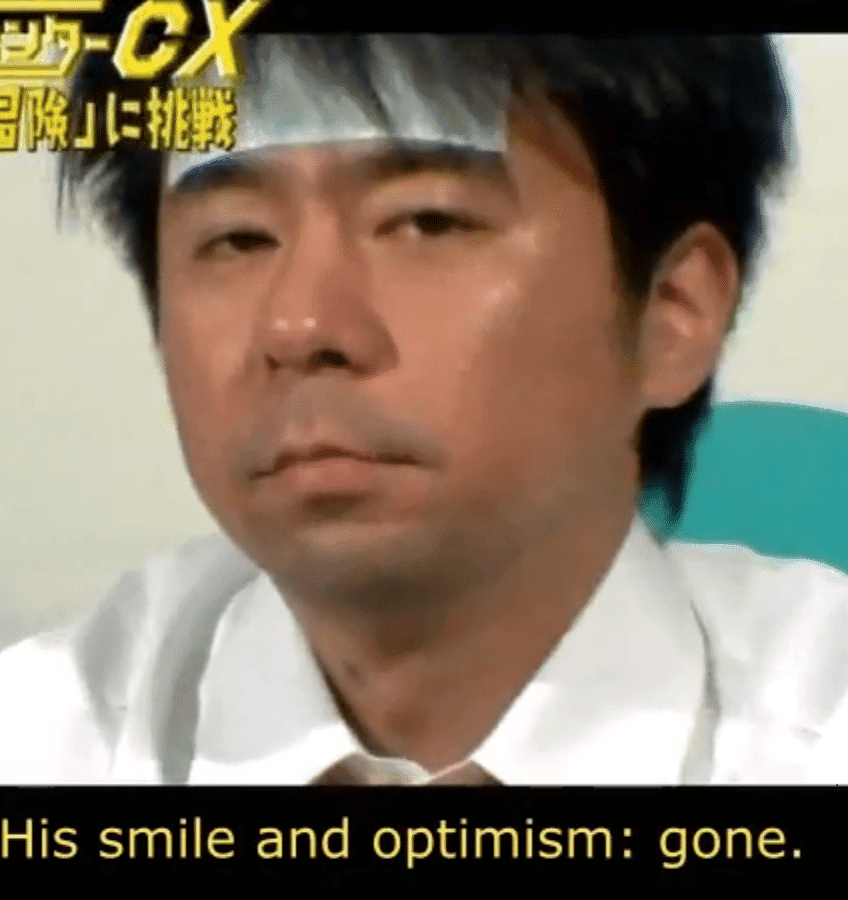
Sudden mood shifts and loss of optimism, as depicted in the "His Smile and Optimism: Gone" meme, can signal underlying mental health challenges like apathy or depression, requiring professional therapeutic support to develop effective coping strategies and restore emotional resilience.
Ever had that moment when your hopes suddenly deflate like a punctured balloon? The "His Smile and Optimism: Gone" meme captures this universal experience perfectly, and its viral spread reveals a deeper truth about how we process disappointment and emotional setbacks. Let's explore the psychology behind these mood shifts and discover healthy ways to bounce back.
What Does “His Smile And Optimism: Gone” Mean?
In today’s digital age, internet memes have become powerful vehicles for expressing complex emotions and shared experiences. The meme “His Smile and Optimism: Gone” perfectly captures that jarring shift from positive expectations to sudden disappointment – a universal human experience that resonates across digital communities worldwide.
Evolutionary biologist Richard Dawkins originally coined the term “meme” to describe culturally shared information that unites people – including history, myths, customs, and art. In our modern context, internet memes like “His Smile and Optimism: Gone” have evolved to become digital shorthand for complex emotional states.
While these memes might appear as simple inside jokes, they often contain deeper meaning and provide fascinating insights into human psychology. Let’s explore this particular meme’s origins, usage, and the psychological experiences it represents.
Origins of the “His Smile and Optimism: Gone” Meme
This meme originated from Season 8, Episode 1 of the Japanese gaming show GameCenter CX, featuring comedian Shinya Arino playing retro video games. During a particularly challenging segment of “The Quest of Ki,” Arino looked at the camera with an expression of pure defeat.
In 2012, an internet user captured this moment with the now-iconic caption: “His smile and optimism: gone.” The format quickly spread, with people applying the caption to various images depicting sudden mood shifts, disappointment, and emotional letdowns.
How the Meme Is Used Today
“His Smile And Optimism: Gone” typically appears as a reaction image or response to content that depicts sudden mood shifts. The format often includes two contrasting images: the first showing someone feeling hopeful or positive, followed by another showing their dramatic shift to disappointment, frustration, or defeat.
The meme’s versatility allows it to be adapted to countless situations – from minor inconveniences to major life disappointments – making it relatable across diverse experiences.
The Psychology Behind the Meme
What makes this meme so universally relatable are the core emotional experiences it captures – states that many of us encounter throughout our lives:
Apathy
Apathy represents a lack of interest, concern, or enthusiasm – that feeling when you simply stop caring about activities, people, or situations that normally matter to you. This emotional state often emerges when efforts go unrewarded, whether in professional settings, relationships, or personal goals.
When experiencing apathy, you might notice a general indifference toward things you once found engaging or meaningful. This state frequently appears during periods of prolonged stress, burnout, or after experiencing repeated disappointments.
Despondence
While apathy involves emotional flatness, despondence brings active feelings of defeat and hopelessness. When despondent, you may lack the courage or motivation to continue trying, feeling overwhelmed by a sense that your efforts are futile.
Despondence often appears situational – perhaps triggered by a specific failure or setback – but can also signal deeper issues like depression or anxiety disorders. The feeling of “giving up” captured in the meme resonates with anyone who has faced seemingly insurmountable challenges.
Detachment
Detachment describes the experience of emotional distance or disconnection from your surroundings. This state can feel like watching your life unfold from an outside perspective – as if you’re observing rather than participating in your own experiences.
Sometimes detachment functions as a protective mechanism, helping us cope with overwhelming situations. However, persistent detachment might indicate underlying mental health concerns that deserve attention and care.
Overcoming These Challenging Emotional States
If you recognize these feelings in your own life, consider these strategies for moving forward:
Identify Root Causes
Before addressing these feelings, take time to understand their origins. Are they responses to specific circumstances, like a demanding job or relationship challenges? Or might they indicate an underlying mental health condition? Recognizing the source is the first step toward effective action.
Reconnect With Purpose
When motivation wanes, reconnecting with your core values and passions can reignite your sense of direction. Ask yourself: What truly matters to me? What gives my life meaning? Consider whether changes to your current circumstances might better align with these values.
Prioritize Self-Care Fundamentals
Basic self-care practices can significantly impact your mental outlook. Regular exercise, adequate sleep, and nutritious eating habits help create the physiological foundation for improved mental health, as research demonstrates.