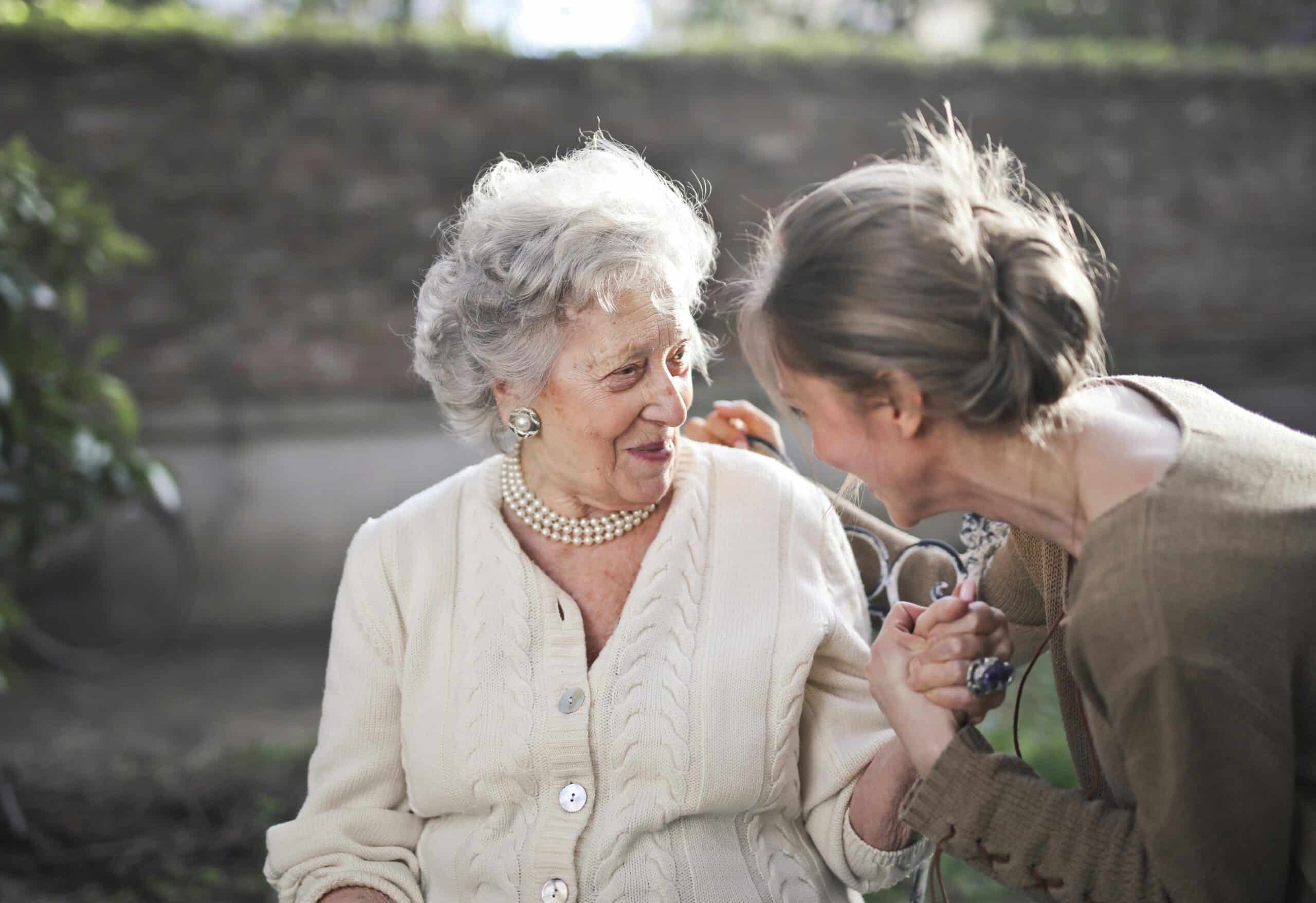
Therapeutic support for dementia includes evidence-based interventions like cognitive behavioral therapy, reminiscence therapy, and cognitive stimulation therapy that help manage symptoms, improve quality of life, and provide essential coping strategies for both patients and their caregivers through professional therapeutic guidance.
Watching a loved one navigate dementia can feel overwhelming, but you're not powerless. Therapeutic support for dementia offers proven strategies to improve quality of life for both patients and caregivers - here's your complete guide to evidence-based interventions that really work.
Therapeutic Support for Dementia Symptoms
Living with dementia or supporting someone who has been diagnosed presents profound challenges that extend far beyond memory loss. While medical science has yet to discover a cure for dementia, significant advances in therapeutic support have emerged over the past decade. These interventions focus on improving quality of life, managing emotional challenges, and helping both patients and their caregivers navigate the complex journey that dementia presents.
Understanding the available therapeutic options can empower families to make informed decisions about care. This comprehensive guide examines various forms of counseling and therapeutic support that may benefit individuals experiencing dementia-related conditions, as well as the family members and caregivers who support them.
Understanding Dementia: Beyond Normal Aging
Dementia serves as an umbrella term encompassing various conditions characterized by progressive cognitive decline that exceeds what’s considered a normal part of aging. The distinction between typical age-related forgetfulness and dementia-related impairment is significant. Occasionally misplacing your car keys represents normal aging; becoming disoriented while driving to a familiar grocery store you’ve visited countless times may signal something more concerning.
The hallmark of dementia is a gradual, progressive decrease in cognitive abilities and memory over time. However, symptoms vary considerably depending on the specific type of dementia and the individual experiencing it. Several distinct forms of dementia exist, each with unique characteristics and progression patterns.
Why Early Recognition Matters
Early recognition of dementia carries tremendous importance for everyone involved. When families and healthcare providers identify dementia symptoms early, patients gain valuable time to understand their condition, access appropriate therapeutic support, and implement lifestyle modifications that may improve their quality of life and potentially slow symptom progression.
Early recognition also provides caregivers with crucial time to educate themselves about what lies ahead, develop coping strategies, and establish support systems before the demands of caregiving intensify. This preparation can significantly impact the well-being of everyone affected by the diagnosis.
Common Types of Dementia
Alzheimer’s Disease
Alzheimer’s disease represents the most prevalent form of dementia among older adults. This progressive, degenerative disorder appears to result from the formation of amyloid plaques in the brain, which interfere with normal cellular function. In the early to moderate stages, individuals typically experience:
- Memory loss and forgetfulness, including misplacing items or forgetting significant events
- Communication and language difficulties
- Impaired judgment and decision-making
- Confusion and disorientation
- Mood and behavioral changes
As Alzheimer’s progresses, individuals gradually lose the ability to perform basic activities of daily living—eating, bathing, dressing—independently. In advanced stages, they typically require round-the-clock care and supervision to ensure their safety and well-being.
Currently, no cure exists for Alzheimer’s disease. Medical professionals may recommend medications designed to reduce amyloid plaques or alleviate certain symptoms, alongside therapeutic interventions. Some research suggests that certain supplements, including higher doses of vitamin E, may help slow cognitive decline. Treatment approaches vary based on individual circumstances and disease progression.
Vascular Dementia
According to the Cleveland Clinic, vascular dementia ranks as the second most common cause of dementia in older adults. This condition results from damage to brain tissue caused by reduced blood flow, which may occur gradually or suddenly due to blood clots following surgery or stroke. Common symptoms across various stages include:
- Mood and personality changes
- Behavioral difficulties
- Confusion and disorientation
- Changes in walking patterns and balance problems
- Concentration difficulties
- Trouble remembering events, names, places, and details
Treatment for vascular dementia depends on the underlying cause. Medical interventions may address the source of reduced blood flow, while medications and lifestyle modifications can help manage symptoms.
Parkinson’s Disease Dementia
Parkinson’s disease is a progressive neurological disorder resulting from the death of specific nerve cells in the brain, gradually diminishing the individual’s ability to control movement. Characteristic symptoms include tremors and rigidity in the limbs and trunk that impair mobility and physical activity. Some individuals with Parkinson’s may also develop dementia due to amyloid plaque buildup, leading to changes in thinking, behavior, and movement.
Treatment typically includes medications to improve movement symptoms. Physical therapy and occupational therapy may enhance mobility, while speech therapy can address communication challenges and support cognitive health. A coordinated team approach often yields the best results for individuals experiencing overlapping symptoms.
Frontotemporal Dementia
Frontotemporal dementia (FTD) is a degenerative neurological disorder affecting the frontal and temporal lobes of the brain. This progressive condition significantly impacts language, behavior, emotion, movement, problem-solving, decision-making, and personality.
Individuals with frontotemporal dementia may experience:
- Changes in social behavior and interpersonal interactions
- Difficulty speaking or understanding language
- Loss of executive functioning abilities
- Inability to recognize familiar faces and objects
- Emotional instability and mood fluctuations
- Problems with balance and coordination
Treatment approaches for frontotemporal dementia focus on managing emotional challenges and promoting quality of life for both individuals and their families as the condition progresses.
Mixed Dementia
Mixed dementia describes situations where symptoms of multiple dementia types occur simultaneously—for example, features of both vascular dementia and Alzheimer’s disease. This overlap can complicate diagnosis, leading healthcare providers to use the term “mixed dementia” when clear categorization proves difficult. Treatment requires personalized strategies based on the unique symptom profile and needs of each individual.
The Current State of Dementia Treatment
Dementia remains a progressive condition without a cure. However, this reality doesn’t mean that nothing can be done. Various supportive interventions exist to help manage symptoms, improve daily functioning, and enhance quality of life for those living with dementia and their caregivers.
Research has suggested that combining mentally stimulating activities with focused therapeutic interventions may help improve cognitive function in some individuals experiencing dementia. While more research is needed to fully understand the potential for future curative treatments, current therapeutic options offer meaningful support.
Therapeutic Approaches for Dementia
Therapeutic interventions for dementia aim to slow progression where possible, manage emotional and behavioral symptoms, and improve overall quality of life. These approaches often work by stimulating cognitive activity, providing emotional support, and helping individuals and families develop adaptive strategies for managing progressive changes. Therapeutic support is typically most effective when combined with lifestyle modifications such as regular physical activity, nutritious eating, and social engagement.
Cognitive Behavioral Therapy
Cognitive behavioral therapy (CBT) represents one of the most widely used therapeutic approaches in mental healthcare, and it offers significant benefits for both dementia patients and their caregivers. Individuals with dementia and those who care for them face elevated risk for depression and anxiety, conditions that CBT specifically addresses.
This therapeutic approach focuses on identifying and shifting patterns of negative thinking that contribute to emotional distress. While CBT won’t prevent dementia progression, it may help reduce symptoms of depression or anxiety that accompany the challenges of living with or caring for someone with dementia.
For caregivers especially, CBT can provide essential tools for managing the emotional burden of caregiving, preventing burnout, and maintaining their own mental health while supporting a loved one through cognitive decline.
Problem-Adaptation Therapy (PATH)
Problem-adaptation therapy represents a specialized approach that helps individuals develop strategies for adapting to the progressive changes dementia brings. Rather than focusing solely on preserving existing abilities, PATH emphasizes developing new coping mechanisms and adaptive strategies as cognitive abilities change.
A therapist using this approach works with patients to accept and adapt to evolving cognitive symptoms, lifestyle changes, and emotional challenges in healthy, constructive ways. Research suggests that these psychosocial interventions may help prevent emotional crises and improve life satisfaction, potentially slowing the progression of cognitive deterioration.
This therapeutic approach acknowledges the reality of progressive decline while empowering individuals to maintain the highest possible quality of life throughout their journey with dementia.
Reminiscence Therapy
Reminiscence therapy uses guided conversations about personal history to help individuals with dementia reconnect with preserved memories. Through discussions of childhood experiences, past relationships, and significant life events, individuals may develop deeper self-understanding and cultivate more positive emotional states.
This approach capitalizes on the fact that long-term memories often remain accessible longer than recent memories in many forms of dementia. By creating meaningful connections between past experiences and present circumstances, reminiscence therapy helps individuals maintain their sense of identity and personal history.
Research from 2020 indicates that reminiscence therapy may decrease depression symptoms and improve engagement in and quality of daily life for people with dementia. Family members often participate in reminiscence therapy sessions, which can strengthen relationships and provide meaningful shared experiences even as cognitive abilities decline.
Cognitive Stimulation Therapy
Cognitive stimulation therapy (CST) involves structured activities designed to improve cognitive abilities and reduce the severity of dementia symptoms. This approach focuses on problem-solving, memory recall, reasoning, and language skills through engaging, purposeful activities.
CST also encourages social interaction, creating opportunities for meaningful communication between people with dementia and their caregivers, family members, and peers. During sessions, individuals engage in activities such as puzzles, board games, art projects, music appreciation, storytelling, and other mentally stimulating exercises tailored to their interests and abilities.