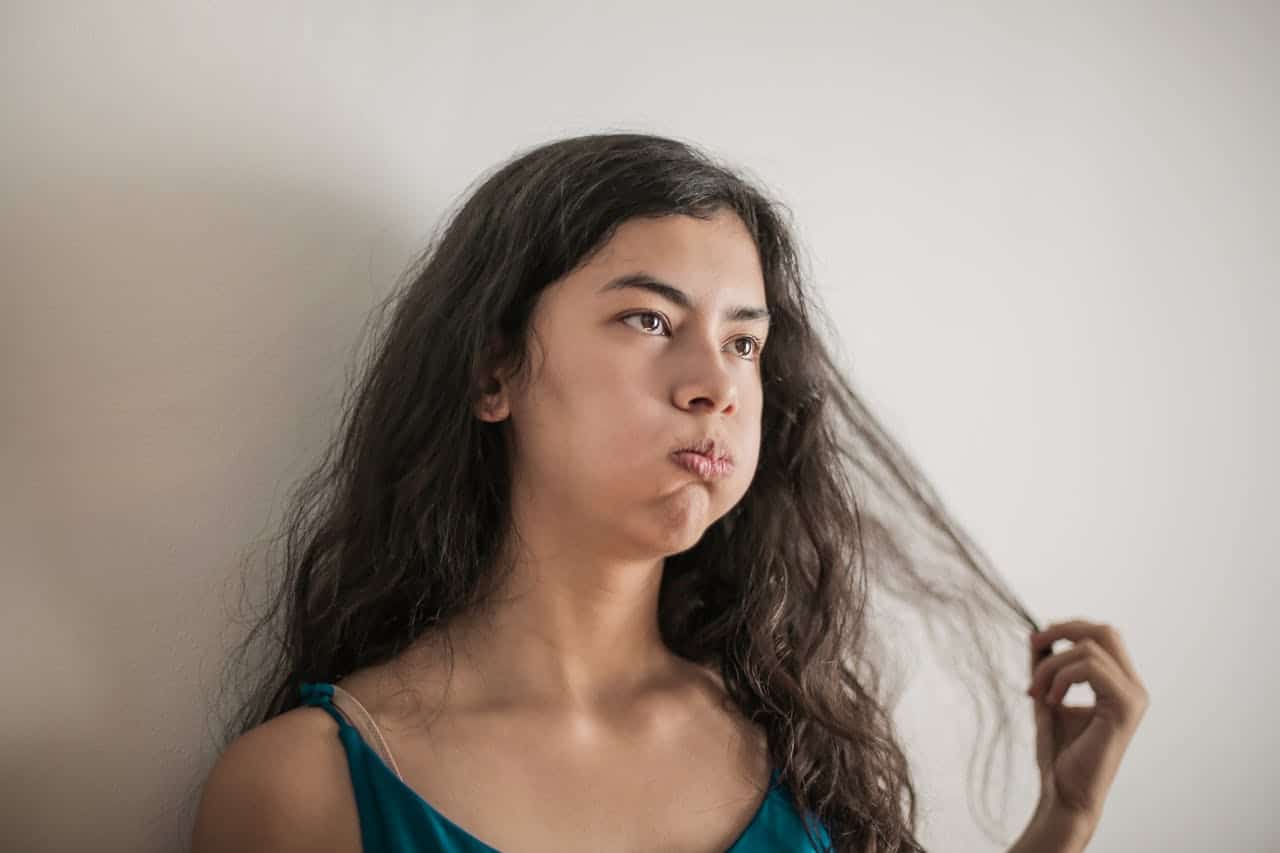
Trichotillomania involves complex anxiety-driven patterns that create automatic and focused hair-pulling behaviors, but evidence-based therapies like Habit Reversal Training, CBT, and Acceptance and Commitment Therapy provide effective relief when implemented with professional therapeutic guidance.
Everything you've been told about trichotillomania is wrong - it's not about willpower, weakness, or simply stopping yourself from pulling hair. It's about understanding the complex anxiety patterns and brain mechanisms driving the urge, and how real relief actually begins.
Trichotillomania: Beyond the Basic Definition
You’ve probably heard trichotillomania described as “hair-pulling disorder.” While technically accurate, this label barely scratches the surface of what’s actually happening. The clinical definition tells us it’s a body-focused repetitive behavior, or BFRB, classified in the DSM-5 as an obsessive-compulsive spectrum disorder. It shares a category with obsessive compulsive disorder and other conditions characterized by repetitive, difficult-to-control behaviors.
But here’s what the textbook definition doesn’t capture: the relief that comes with pulling, the shame that follows, or the complex emotional patterns driving the behavior in the first place.
Trichotillomania affects 0.6–2.2% of the population, which means millions of people worldwide experience it. That’s far more common than most people realize. Yet many individuals with trichotillomania spend years believing they’re alone in their struggle, hiding bald patches under hats or explaining away missing eyebrows.
The gap between clinical language and lived experience is vast. A diagnostic manual might describe “recurrent pulling out of one’s hair, resulting in hair loss,” but it won’t tell you about the trance-like states, the hours lost without realizing it, or the complicated relationship between stress and the urge to pull. It won’t explain why some people pull when they’re anxious while others pull when they’re bored, or why stopping feels nearly impossible even when you desperately want to.
Understanding trichotillomania requires looking beneath the surface behavior. The hair pulling itself is just the visible part. What’s happening underneath, the anxiety patterns, emotional triggers, and neurological factors, tells a much more complete story.
The Two Types of Hair Pulling: Automatic vs. Focused
If you’ve ever found yourself with a small pile of pulled hair without remembering how it got there, you’re not alone. One of the most eye-opening discoveries for many people with trichotillomania is learning that hair pulling isn’t just one behavior. It actually falls into two distinct patterns: automatic and focused pulling. Understanding which type you experience can fundamentally shift how you approach managing it.
What Automatic Pulling Looks Like
Automatic pulling happens outside your conscious awareness. Your hand moves to your hair, and you pull without realizing you’re doing it. You might be watching TV, reading, scrolling through your phone, or sitting in a meeting when it happens. The first clue is often physical: you notice hair on your desk, feel a tender spot on your scalp, or see strands between your fingers.
This type of pulling tends to occur during sedentary activities when your mind is occupied with something else. Many people describe feeling shocked or frustrated when they “wake up” to what they’ve been doing, sometimes after several minutes of pulling. Automatic pulling often increases during states of boredom, fatigue, or passive concentration, as the brain seeks stimulation and the pulling provides subtle sensory feedback without requiring conscious effort.
What Focused Pulling Looks Like
Focused pulling is a different experience entirely. It’s deliberate and intentional. You know you’re doing it, and there’s often a specific purpose behind each pull.
With focused pulling, you might search for hairs that feel “wrong” in some way: too coarse, too wiry, a different texture, or growing at an odd angle. There’s frequently a ritualistic quality to it. Some people examine each hair after pulling, looking at the root or running it between their fingers. Others pull until they find a hair that feels “right” or satisfying.
This type of pulling often serves as an active coping mechanism. When anxiety, tension, or overwhelming emotions build up, the act of pulling provides intentional relief. It becomes a way to regulate difficult feelings, even though the relief is temporary and often followed by guilt or shame.
Why This Distinction Changes Everything
Automatic and focused pulling involve different anxiety mechanisms and respond to different interventions.
Automatic pulling often benefits from awareness-building strategies. Since you can’t change what you don’t notice, techniques that increase your consciousness of hand movements and triggers become essential. Physical barriers like bandages on fingertips or fidget tools can interrupt the unconscious pattern.
Focused pulling, on the other hand, requires addressing the underlying emotional needs the behavior is meeting. If pulling helps you manage anxiety or difficult feelings, you’ll need alternative coping strategies that provide similar relief.
Many people experience both types, sometimes shifting between them depending on the situation or time of day. You might pull automatically while working, then engage in focused pulling when stressed in the evening. Reflecting on when you most often notice yourself pulling, whether you catch yourself mid-pull or find evidence afterward, can help you identify your primary pattern and guide you toward the most effective strategies.
The Anxiety-Pulling Connection: How Your Brain Creates the Urge
When you reach for your hair, it rarely feels like a choice. The urge seems to come from somewhere deeper than conscious thought, bypassing your best intentions entirely. That’s because hair pulling in trichotillomania isn’t a willpower problem. It’s a brain pattern that has been reinforced over time through a powerful cycle of tension and relief.
Understanding how this cycle works can shift how you see yourself. Instead of asking “why can’t I just stop?” you can start asking “what is my brain trying to accomplish?” The answer lies in how your nervous system processes stress and seeks regulation.
The Tension-Relief Cycle
Anxiety doesn’t just live in your thoughts. It creates real physical sensations throughout your body, including tingling, tightness, or an uncomfortable urge to move. For people with trichotillomania, these sensations often concentrate around the scalp, eyebrows, or other areas where pulling occurs.
When you pull a hair, something shifts. The physical tension releases, even if only for a moment. Your nervous system registers this as relief, and your brain takes note. Over time, this creates a learned association: tension means pull, pulling means relief. The pattern becomes automatic, happening before you’re even fully aware of what you’re doing. This is why anxiety symptoms and hair pulling are so closely linked. The pulling behavior becomes your nervous system’s go-to strategy for managing uncomfortable internal states.
Why Your Brain Keeps Choosing This Pattern
When you experience relief from pulling, your brain releases dopamine, the same neurotransmitter involved in other reward-based behaviors. This isn’t about pleasure exactly. It’s about your brain marking the behavior as “effective” and worth repeating.
Each time the cycle completes, the neural pathway strengthens. Your brain essentially builds a faster highway to this particular coping response. Future urges become quicker, more automatic, and harder to interrupt. This is the self-reinforcing nature of compulsive behaviors: temporary relief today makes the pattern more likely tomorrow.
When Stress Takes the Wheel
Your prefrontal cortex, the part of your brain responsible for impulse control and decision-making, is supposed to help you pause before acting. Stress hormones like cortisol interfere with its function. When you’re anxious, tired, or overwhelmed, your prefrontal cortex loses ground to the more primitive parts of your brain that operate on automatic patterns.
This explains why willpower alone so often fails. You’re not weak or lacking discipline. You’re working against a neurological system that has been shaped by repetition and reinforced by your brain’s own chemistry.
This Is Neurobiology, Not Weakness
Hair pulling isn’t a character flaw or a sign that you’re broken. It’s a pattern your brain developed, often starting as a way to cope with overwhelming feelings. Brains are remarkably good at finding solutions to distress, even when those solutions create new problems. The same neuroplasticity that created this pattern can help reshape it. Recognizing that you’re working with biology, not against some personal failing, is often the first step toward approaching treatment with self-compassion rather than shame.
Beyond Anxiety: The Complete Emotional Trigger Map
Anxiety often takes center stage in conversations about trichotillomania, and for good reason. It’s a powerful driver for many people. Focusing only on anxiety, though, misses the fuller picture of what actually prompts hair pulling behaviors. The emotional landscape behind trichotillomania is far more varied than a single trigger.
When Anxiety Drives the Urge
For many people with trichotillomania, anxiety acts as the primary fuel. Generalized tension creates a constant undercurrent of restlessness in the body. Your muscles tighten, your mind races, and your hands seek something to do with all that nervous energy. Hair pulling becomes an outlet, a way to channel that diffuse tension into a focused action.
Anticipatory stress before exams, job interviews, or difficult conversations can intensify urges significantly. The waiting period, when stress builds without release, often proves more triggering than the event itself. Social anxiety adds another layer, with some people noticing increased pulling before, during, or after social interactions.
Boredom, Perfectionism, and Sensory Seeking
Not all pulling happens during high-stress moments. Boredom and understimulation can trigger pulling just as powerfully as anxiety. When your brain isn’t getting enough input, whether you’re sitting through a long meeting, watching TV, or lying in bed before sleep, it starts seeking stimulation. Hair pulling provides that missing sensory engagement.
Perfectionism drives a different kind of pulling altogether. This involves targeting specific hairs that feel “wrong” in some way: too coarse, too curly, out of place, or different in texture from surrounding hairs. The goal becomes achieving smoothness, symmetry, or eliminating perceived flaws. One hair leads to another as the search for the “perfect” result continues.
Sensory seeking focuses on the physical experience itself. Certain hair textures feel more satisfying to pull. The sensation of a hair sliding out, the tactile examination of the root, or the visual inspection of the bulb can all provide a specific type of sensory feedback the brain craves. This isn’t about anxiety relief at all. It’s about the sensory experience.
Dissociation and Emotional Numbing
Sometimes hair pulling serves the opposite purpose of stress relief. It becomes a way to feel something when emotions are blocked or inaccessible.
Dissociation, that floaty, disconnected feeling where you’re not quite present in your body, can trigger pulling as a grounding mechanism. The physical sensation brings you back, anchoring you to the present moment. Emotional numbing works similarly. When feelings become too overwhelming to process, some people shut down emotionally as protection. In that numb state, hair pulling provides proof that you can still feel.
These triggers rarely exist in isolation. Most people experience a shifting combination that changes based on context, life circumstances, and even time of day. Recognizing this complexity matters because a technique that works for anxiety-driven pulling might do nothing for boredom-based episodes, and vice versa.
Recognizing the Signs: Symptoms and Behavioral Patterns
Trichotillomania shows up differently for each person, but certain patterns tend to emerge across the spectrum. Understanding these signs can help you recognize what’s happening, whether you’re noticing them in yourself or someone you care about.
Physical Signs You Might Notice
The most visible indicator is hair loss that doesn’t follow typical patterns of medical hair loss. You might see patches of missing hair on the scalp, eyebrows, eyelashes, or other body areas. Within these areas, you’ll often find hairs of varying lengths, a telltale sign of repeated pulling over time rather than hair falling out naturally. Skin irritation is common too. The repeated pulling can cause redness, soreness, or even small wounds at the pulling sites.
Behavioral Patterns Worth Noting
Many people with trichotillomania develop rituals around pulling. This might include searching for hairs with a specific texture, examining pulled hairs closely, or playing with hair between the fingers before or after pulling. These behaviors can become almost automatic, happening while reading, watching TV, or lying in bed.
Hiding behaviors often develop alongside the pulling itself. You might find yourself wearing hats, scarves, or heavy makeup, or avoiding swimming, windy days, or bright lighting. Research shows these patterns can cause significant functional impairment, affecting work, relationships, and daily activities.
The Emotional Experience
Shame runs deep for many people who pull their hair. There’s often intense anxiety about others noticing the hair loss, which can lead to social withdrawal or elaborate routines to conceal affected areas. The relationship between self-image concerns and repetitive behaviors sometimes overlaps with conditions like body dysmorphic disorder.
A common emotional cycle emerges: tension builds, pulling provides temporary relief, then guilt and frustration follow. This cycle can consume significant mental energy beyond the time spent actually pulling.
How Severity Fluctuates
Trichotillomania exists on a spectrum. Some people pull occasionally during high-stress periods, while others spend hours each day engaged in pulling behaviors. Stress, boredom, fatigue, and hormonal changes can all intensify symptoms. What starts as occasional pulling during a difficult life period can become more frequent and harder to resist over time.
How Trichotillomania Is Diagnosed
Getting an accurate diagnosis is the first step toward effective treatment. Because hair loss can have many causes, a thorough evaluation helps ensure you receive the right support.