Helping others drains you when brain chemistry designed to reward prosocial behavior becomes a compulsive trauma response, leading to compassion fatigue, burnout, or vicarious trauma that therapy can address through boundary-setting skills and sustainable caregiving strategies.
Why does helping others sometimes leave you feeling completely drained instead of fulfilled? The answer lies in understanding when supportive behavior crosses into self-sacrifice, and recognizing the warning signs that your generosity has become a threat to your own mental health.
The science of why helping feels good
Your brain is wired to reward you when you help someone else. When you offer support, volunteer your time, or simply listen to a friend in need, your brain releases a cocktail of feel-good chemicals: oxytocin (the bonding hormone), dopamine (your motivation and reward chemical), and endorphins (natural painkillers that create a sense of euphoria). This response is so reliable that researchers have dubbed it the “helper’s high,” a measurable mood boost that can feel similar to a runner’s high.
The science backs this up. fMRI studies consistently show that when people engage in giving or helping behaviors, the reward centers of their brains light up with activity. The same neural pathways that respond to food, sex, and other survival-related pleasures activate when you do something kind for another person. Research shows that helping behaviors create measurable reductions in depression and genuine improvements in mood.
This isn’t just modern psychology. There’s an evolutionary reason your brain works this way. Early humans who cooperated and helped each other survived better than those who didn’t. Groups that looked out for one another could hunt larger prey, defend against threats, and care for vulnerable members. Over thousands of generations, our brains evolved to reward prosocial behavior because social connection impacts health through measurable biological pathways that improved survival odds.
These neurochemical rewards are real and powerful. But here’s what most articles about helping others won’t tell you: the same brain chemistry that makes helping feel so good can also become a trap.
Benefits of helping others for mental health
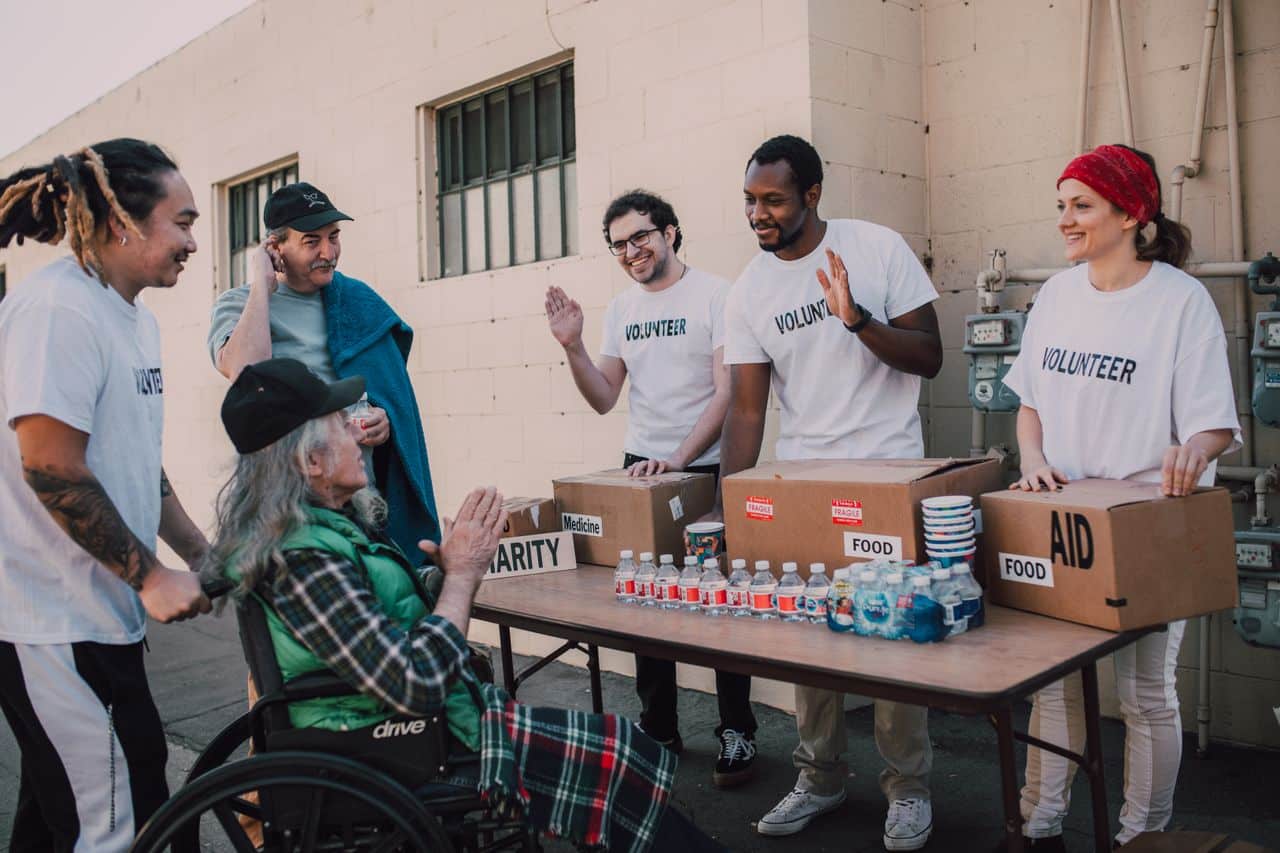
The research on helping behavior is clear: when done in healthy ways, it genuinely improves mental health. Volunteering improves mental and physical health across multiple domains, with studies showing lower rates of depression and anxiety among people who volunteer moderately. You might notice this in your own life. Helping a friend move, volunteering at a food bank, or mentoring someone at work can leave you feeling more connected and purposeful.
The benefits extend beyond mood. Older adults who help others show correlations with better health and longevity, suggesting that prosocial behavior may protect both mental and physical wellbeing over time. Social connectedness increases. Sense of purpose deepens. For many people, helping others becomes a meaningful part of how they relate to the world.
But these benefits come with a critical condition: the helping needs to be voluntary, boundaried, and sustainable. When you choose to help because you want to, not because you feel you have to, your brain responds differently. When you can say no without guilt, the positive effects remain intact. When helping fits into your life rather than consuming it, the research holds true.
For millions of people, though, helping has crossed a line. When it stops being a choice and starts being a compulsion, when boundaries disappear and exhaustion sets in, the same behavior that once protected mental health begins to erode it.
When helping is a trauma response: The fawn pattern
Not all helping comes from a place of choice. For some people, saying yes to others is less about generosity and more about survival. Psychotherapist Pete Walker identified four trauma responses that people develop to cope with threat: fight, flight, freeze, and fawn. The fawn response is automatic people-pleasing, a way to stay safe by making yourself useful, agreeable, and non-threatening. If you grew up in an environment where your emotional or physical safety depended on keeping others happy, your nervous system may have learned that helping equals survival.
This pattern often begins with parentification, a dynamic where children become emotional or practical caretakers for adults. Maybe you managed a parent’s moods, mediated conflicts, or took care of younger siblings when you should have been cared for yourself. These experiences teach a damaging equation: your value equals your usefulness. When helping becomes the only way you know how to secure connection, it stops being a choice. It becomes a reflex tied to childhood trauma that shaped how you relate to others.
What fawn-driven helping feels like in your body
For people with fawn patterns, saying no doesn’t just feel uncomfortable. It can trigger a genuine threat response. Your heart races. A wave of dread washes over you. You might dissociate or feel physically ill at the thought of disappointing someone. This isn’t weakness or overthinking. Your nervous system genuinely perceives boundary-setting as dangerous because, at some point in your past, it was.
Fawn-driven helping differs from genuine generosity in predictable ways. It feels obligatory rather than optional. You say yes while silently resenting the request. You collapse without external validation, constantly scanning for signs that you’ve done enough. You rehearse how to say no, scripting the words perfectly in your head, but when the moment comes, you fold.
Recognizing the pattern in yourself
Ask yourself these questions. Do you feel panicky when someone is upset with you, even over minor things? Do you lose track of your own preferences, genuinely unsure what you want because you’re so focused on what others need? Do you over-explain your decisions, apologizing for having limits at all?
If these patterns sound familiar, naming them is the first step. Fawn responses are deeply wired, but they’re not permanent. Therapy can help you understand where these patterns started and slowly rewire your nervous system to recognize that safety doesn’t require constant self-sacrifice. You can learn that your worth exists independent of what you do for others.
Compassion fatigue vs. burnout vs. vicarious trauma: Know what you’re facing
These three terms get used interchangeably, but they’re distinct conditions with different causes, timelines, and recovery paths. Knowing which one you’re experiencing gives you the language to seek the right support.
Compassion fatigue: When empathy depletes you
Compassion fatigue is the emotional exhaustion that comes from absorbing others’ suffering. It hits people who provide emotional support, whether professionally or personally. Family caregivers often experience this when they’re constantly attuned to someone else’s pain or needs.
The onset can be sudden. One day you feel capable and caring; the next you feel numb, irritable, or unable to muster concern. You might notice yourself avoiding the person you usually help, feeling resentful when they reach out, or experiencing physical symptoms like headaches or digestive issues. Your capacity for empathy feels temporarily drained, like a battery that’s run out of charge.
Burnout: The slow erosion of energy
Burnout builds gradually from sustained overwork and lack of recovery time. Unlike compassion fatigue, it’s not specific to helping roles. You can burn out from any job, volunteer commitment, or life situation that demands more than you can sustainably give.
The hallmark symptoms include chronic exhaustion that sleep doesn’t fix, cynicism about your responsibilities, and a sense of ineffectiveness. You feel depleted physically and emotionally. Tasks that once felt manageable now feel insurmountable. Burnout signals that the structure of your life needs to change, not just that you need a weekend off.
Vicarious trauma: When others’ trauma changes your worldview
Vicarious trauma goes deeper than exhaustion. It’s what happens when repeated exposure to others’ traumatic experiences actually shifts how you see the world and regulate your nervous system. Your beliefs about safety, trust, and human nature can change.
Symptoms resemble PTSD: intrusive thoughts about others’ trauma stories, hypervigilance, difficulty sleeping, or feeling unsafe in situations you once found normal. You might notice yourself becoming more cynical, suspicious, or emotionally distant. This isn’t about being tired; it’s about your brain adapting to protect you from ongoing trauma exposure.
The key differences that matter
Timeline separates these conditions: compassion fatigue can hit suddenly, burnout accumulates slowly, and vicarious trauma develops through repeated exposure. The cause differs too: empathic absorption versus workload versus trauma exposure.
Recovery looks different for each. Compassion fatigue often responds to rest and boundary-setting. Burnout requires structural changes to your workload or responsibilities. Vicarious trauma typically needs trauma-informed therapy to process what you’ve absorbed and rebuild your sense of safety. All three can occur simultaneously, especially if you’re in a sustained helping role without adequate support. None of them mean you’re weak or unsuited for caring work. They’re predictable responses to specific conditions.
Warning signs your helping has crossed the line
The difference between healthy support and self-sacrifice isn’t always obvious in the moment. You might notice you’re tired but tell yourself everyone gets tired. You might feel irritated with someone you’re helping, then feel guilty for feeling irritated. These mental gymnastics are exhausting, and they’re also a sign you need a clearer way to assess what’s happening.
The 5-Point Helper’s Line Test gives you concrete criteria to evaluate whether your helping patterns are sustainable or whether they’ve started eroding your own well-being.
The 5-point helper’s line test
1. Sleep impact: Is helping disrupting your sleep?
Healthy helping: You occasionally think about someone’s situation before bed, but you can still fall asleep and stay asleep.
Crossed the line: You regularly lie awake worrying about others’ problems, wake up in the middle of the night thinking about what you need to do for them, or feel exhausted even after a full night’s sleep because the mental load never stops.
2. Resentment presence: Do you feel bitter toward the people you help?
Healthy helping: You feel good about supporting others, even when it’s inconvenient. Any frustration is situational and passes quickly.
Crossed the line: You notice thoughts like “I do everything for them and they don’t even appreciate it” or “Why am I always the one who has to fix this?” You might feel angry when they don’t follow your advice or when they ask for help again.
3. Own needs neglected: When did you last do something purely for yourself?
Healthy helping: You maintain your own routines, hobbies, and self-care practices alongside helping others. You can name something you did for yourself this week.
Crossed the line: You can’t remember the last time you did something just because you wanted to. Your own appointments get canceled, your hobbies have disappeared, and you feel guilty even thinking about taking time for yourself.
4. Energy balance: Does helping leave you depleted more often than fulfilled?
Healthy helping: Supporting others sometimes tires you out, but you also feel energized, purposeful, or satisfied. The balance tips toward positive more often than negative.
Crossed the line: You feel drained after every interaction. Helping feels like pouring from an empty cup. You might notice physical symptoms like headaches, muscle tension, or digestive issues that flare up around your helping activities.
5. Choice vs. obligation: Would you still help if no one knew or noticed?
Healthy helping: You’d probably still do it because it aligns with your values, even if no one acknowledged it.
Crossed the line: You’re helping because you’re afraid of disappointing people, worried about what they’ll think if you say no, or concerned you’ll be seen as selfish. The motivation comes from fear or obligation rather than genuine desire.
How to interpret your results
If two or more of these criteria land in the “crossed the line” column, your helping pattern is costing you. This doesn’t mean you need to stop helping entirely. It means the current pattern isn’t sustainable and needs adjustment.
You might also notice warning signs beyond this test. Chronic illness flare-ups that coincide with periods of intense helping are your body’s way of saying it can’t maintain this pace. Isolation from your own support system happens when you’re so busy being everyone’s person that you don’t have anyone being yours. Identity loss shows up in thoughts like “I don’t know who I am if I’m not helping” or realizing you’ve built your entire sense of self around being needed.
People who help compulsively often experience symptoms of anxiety when they try to pull back, or signs of depression when the depletion becomes chronic. These aren’t character flaws. They’re signals that the helping pattern has exceeded your capacity.
If two or more of these signs feel familiar, talking it through with a therapist can help you understand the pattern. You can start with a free assessment at ReachLink, with no commitment and completely at your own pace.
The enablement question: when your help actually hurts the other person
You want to help someone you care about. That impulse feels generous, even noble. But what if your constant intervention is actually preventing them from developing the skills they need to manage their own life?
This is where the Karpman Drama Triangle comes in. It’s a psychological model that describes three roles people cycle through in dysfunctional helping relationships: the Rescuer, the Victim, and the Persecutor. You might start as the Rescuer, swooping in to solve someone’s problems. When they don’t change or show gratitude, you might flip to the Persecutor, feeling resentful and critical. Eventually, you might even become the Victim yourself, exhausted and wondering why you always end up in these situations.