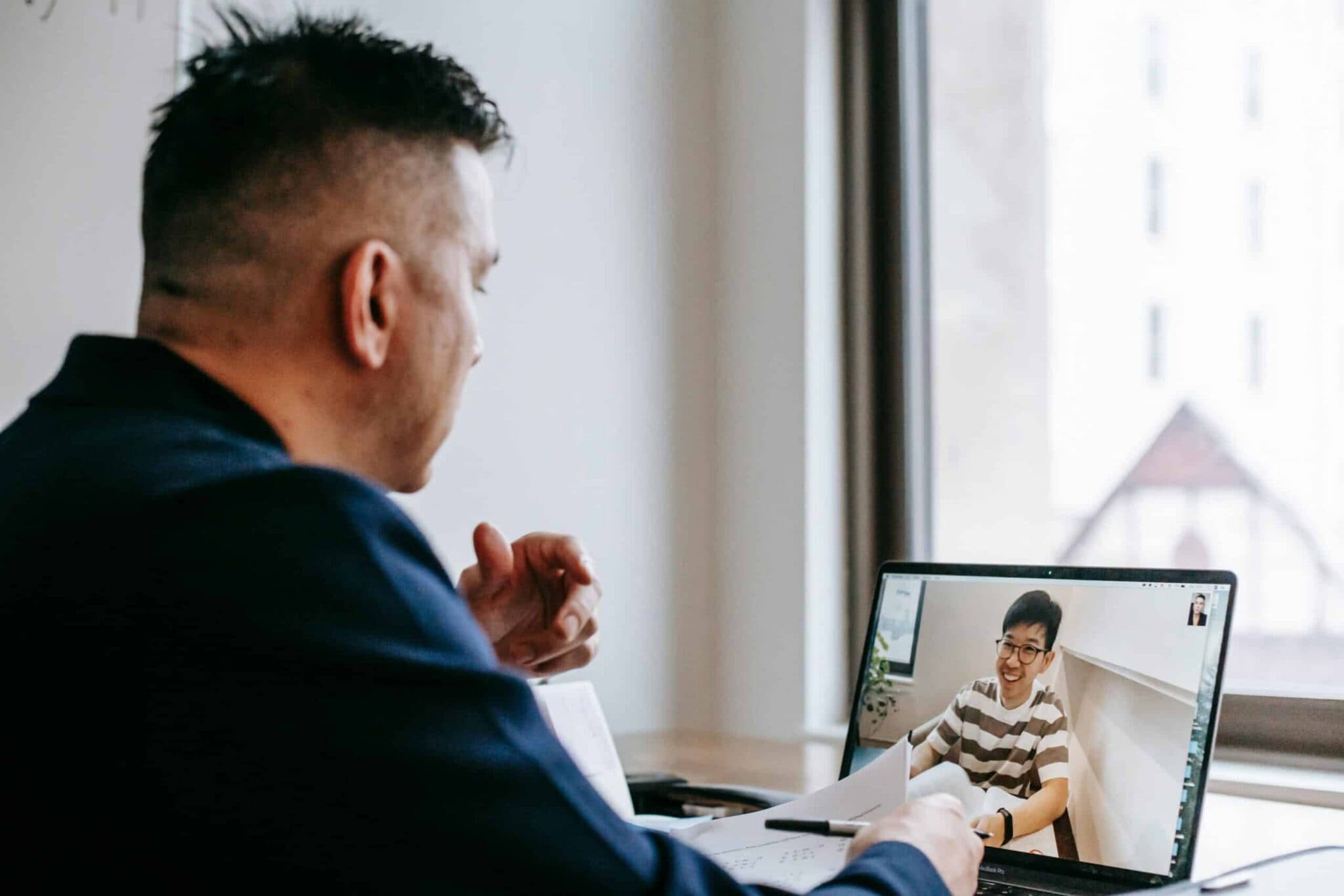
Holistic therapy through telehealth combines evidence-based psychotherapy with complementary mind-body techniques, delivered by licensed clinical social workers via secure video sessions to provide comprehensive mental health treatment addressing emotional, physical, and spiritual well-being.
Ever felt that traditional therapy was missing something crucial in your healing journey? Holistic therapy through telehealth could be the comprehensive approach you've been seeking - combining evidence-based mental health care with mind-body-spirit techniques, all from the comfort of your home.
How Holistic Therapy Works Through Telehealth: A Comprehensive Approach to Mental Wellbeing
Content warning: Please be advised, the below article might mention trauma-related topics that could be triggering to the reader.
In recent years, holistic therapy approaches have gained significant traction in the mental health field. More licensed clinical social workers are integrating complementary techniques with traditional talk therapy to help clients heal emotionally, physically, and spiritually. When delivered through telehealth platforms like ReachLink, holistic therapy can make a meaningful difference for individuals facing various mental health conditions or life challenges. Let’s explore how holistic therapy works in a telehealth environment and how it might benefit you.
What is holistic therapy in telehealth?
Holistic therapy delivered through telehealth platforms aims to treat the whole person using a client-centered approach. The fundamental principle behind holistic therapy is that mind, body, and spirit function as an interconnected system. ReachLink’s licensed clinical social workers work to strengthen this mind-body-spirit connection to promote comprehensive healing. They integrate traditional therapy modalities with complementary approaches to enhance overall wellbeing and support recovery from trauma and other mental health challenges.
Holistic behavioral therapy via secure video sessions
Licensed clinical social workers at ReachLink often combine complementary approaches with evidence-based therapy techniques, such as cognitive-behavioral therapy (CBT). CBT has proven effective for treating numerous mental health conditions, including anxiety and depression. During secure video sessions, therapists guide clients to identify and replace negative thought patterns with more accurate perceptions about themselves and their situations. This therapeutic process typically leads to healthier behaviors and improved emotional states. With practice, clients can learn to recognize unhelpful thought patterns when they occur in daily life.
How does telehealth holistic therapy work? Integrative approaches
ReachLink’s licensed clinical social workers may incorporate various complementary techniques to enhance traditional mental health approaches during video sessions. Here are several examples:
Breathwork in virtual therapy sessions
During telehealth sessions, clinical social workers may guide clients through different breathwork techniques to alleviate anxiety and improve self-awareness. These might include:
- Diaphragmatic breathing
- Box breathing
- Alternative nostril breathing
- Various mindful breathing exercises
The specific breathing techniques recommended will depend on each client’s unique needs and conditions. If a particular technique doesn’t resonate with a client, ReachLink therapists can suggest alternatives. The telehealth format allows for real-time feedback and adjustments to ensure the approach meets the evolving needs of each individual.
Somatic therapy through video counseling
Somatic therapy addresses the mind-body connection to help with psychological and physical symptoms of various mental health challenges, including anxiety, depression, grief, and trauma. Through secure video sessions, ReachLink’s clinical social workers may utilize somatic experiencing techniques to help clients process trauma.
Developed by Dr. Peter Levine, somatic experiencing can help individuals address physical manifestations of trauma. During traumatic events, some people experience a freeze response rather than the typical fight-or-flight reaction. This freeze response can cause stress to remain in the body long after the event has passed. Even through telehealth, skilled therapists can guide clients to recognize and address these physical symptoms, potentially alleviating emotional distress as well. Clinical social workers might combine somatic experiencing with cognitive-behavioral therapy to promote comprehensive healing.
Meditation guidance in telehealth sessions
ReachLink therapists often incorporate meditation techniques into their telehealth sessions to support client healing. For example, they may provide instruction in mindfulness meditation, which involves observing thoughts without judgment and maintaining present-moment awareness. Clients can learn to practice these techniques between sessions to manage acute stress and prevent stress accumulation. Mindfulness doesn’t require lengthy silent meditation; even brief five-minute practices can be effective. During video sessions, therapists can demonstrate these techniques and provide real-time feedback on client practice.