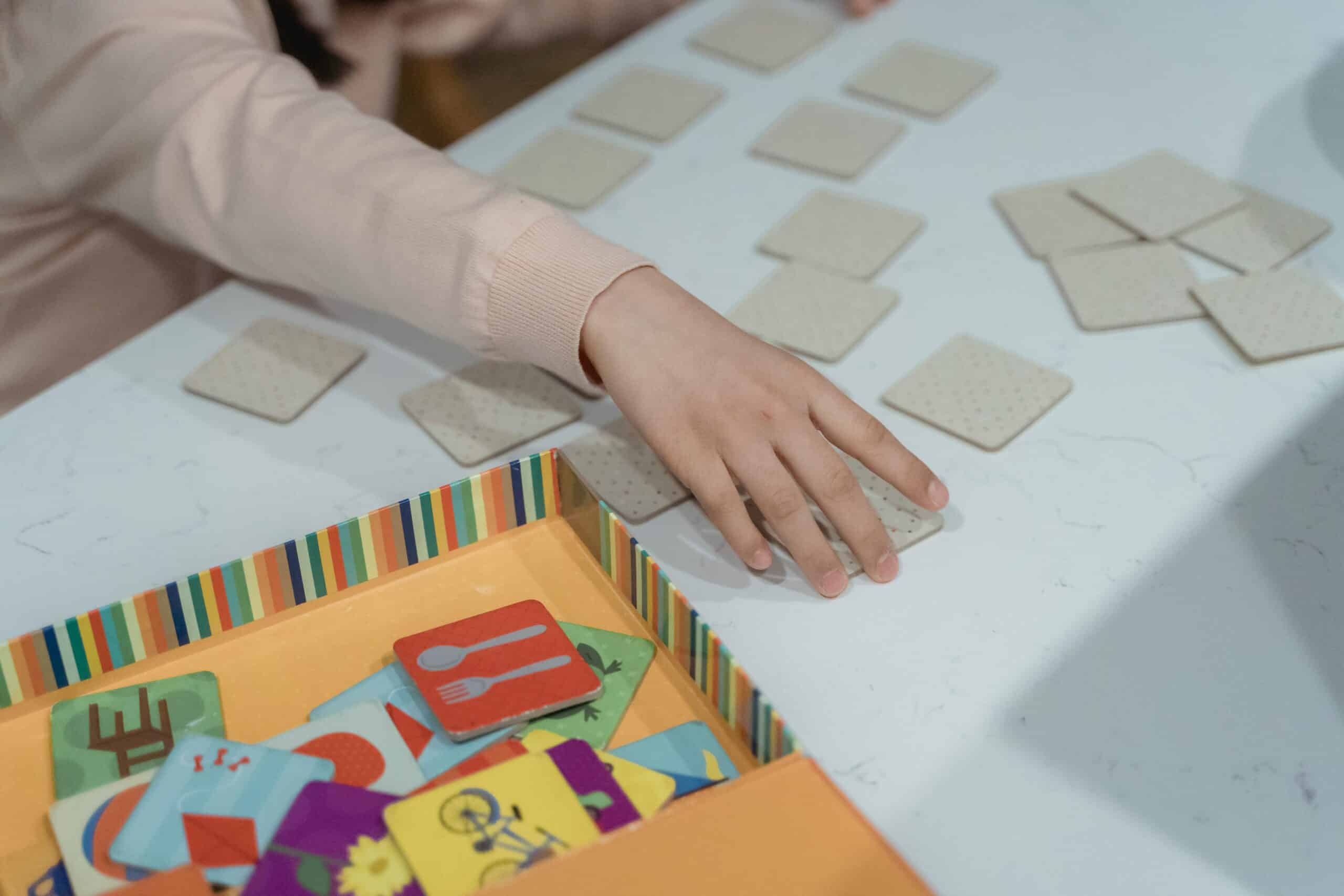
Visual memory capabilities can be significantly enhanced through evidence-based techniques like cognitive exercises, memory games, and professional therapeutic support, which help improve information retention, learning ability, and daily cognitive functioning for both children and adults.
Ever struggled to remember a face, phone number, or where you parked your car? Your visual memory shapes how you navigate daily life, and just like any cognitive skill, it can be strengthened with the right techniques. Discover science-backed strategies to enhance this crucial mental ability and boost your confidence in remembering what you see.
Visual Memory And How It May Be Improved
Visual memory—the ability to retain and retrieve information gathered through our visual system—plays a fundamental role in how we interpret and navigate the world around us.
Both short-term and long-term visual memory are essential components of our daily functioning and significantly impact our learning capabilities. When visual memory is impaired, individuals may face various challenges; however, there are numerous ways to enhance and strengthen this cognitive function. In this article, we’ll explore visual memory, its mechanisms, and effective strategies for improvement.
What is visual memory?
Visual memory refers to our ability to recall visual information such as patterns, words, symbols, numbers, and other visual stimuli. This cognitive function serves as a crucial mechanism through which we learn and remember information. Visual memory can be categorized into two main types:
Visual working memory
This short-term form of memory processing allows us to briefly store and utilize information from various visual stimuli. We rely on visual working memory countless times throughout our day. For instance, a graphic designer might observe a client’s logo and quickly sketch it, a student may briefly remember information from a slide to take notes, or you might temporarily remember a phone number until you can enter it into your contacts.
Most visual information we encounter daily is processed through short-term memory and quickly fades unless we make conscious efforts to retain it. However, certain factors—such as repeated exposure or emotional significance—can facilitate the transfer of this information from short-term to long-term memory.
Visual long-term memory
Visual long-term memory is a system with vast capacity that helps us recall information our brains have transferred from short-term to permanent storage. For example, you might vividly remember the layout of your childhood home, or after repeatedly traveling to a particular location, you may eventually learn the route without needing navigation assistance. These recollections are typically facilitated by visual long-term memory.
Examples of visual memory in action include:
- Remembering the appearance of someone you’ve met only once
- Recalling specific details about objects, buildings, or places
- Remembering sequences of numbers after seeing them briefly
- Recalling specific words, images, or letters after limited exposure
Visual memory and language
Visual memory is essential to our communication abilities. When children learn to read and write, they process images of words through their visual memory. By attaching meaning to these images, they enhance retention and are more likely to recognize these words in context when encountered again. Many of us remember learning sight words—commonly used words that children are taught to recognize on sight—to facilitate reading development.
As children develop writing and spelling skills, they begin recalling the appearance of letters within words. Similarly, when learning to type, we initially look at the keyboard to locate each key. With practice, we remember the keyboard layout and no longer need visual guidance. When trying to recall how to spell a challenging word, many people visualize the word or imagine themselves writing it—another demonstration of visual memory at work.
Recognizing deficits in visual memory
Identifying impairments in visual memory is important as they may indicate learning disorders or similar challenges, particularly in children.
Signs of visual memory deficits
Someone experiencing visual memory deficits may display:
- Difficulties with reading comprehension, including needing to sound out familiar words repeatedly
- Challenges with spelling from memory
- Struggles with mathematics
- Difficulty copying words and images accurately
- Writing challenges, such as letter reversals or inconsistent letter formation
Individuals with visual memory deficits often compensate by relying on other memory systems, such as auditory memory. For example, when attempting to spell, someone with visual memory impairment might hear the letters mentally rather than visualizing them. While this adaptation is resourceful, auditory memory may not always be as effective for certain tasks, creating challenges in processing and retrieving important information.
Common reasons for visual memory challenges
Damage to specific brain regions—particularly the visual cortex—can impair one’s ability to process visual information. Visual memory processing difficulties have also been linked to conditions such as ADHD, autism, and dyslexia, which impact learning processes. Other factors that can negatively affect visual memory include poor sleep quality, substance use, and natural aging processes.
If you are struggling with substance use, contact the SAMHSA National Helpline at 1-800-662-HELP (4357) to receive support and resources. Support is available 24/7.