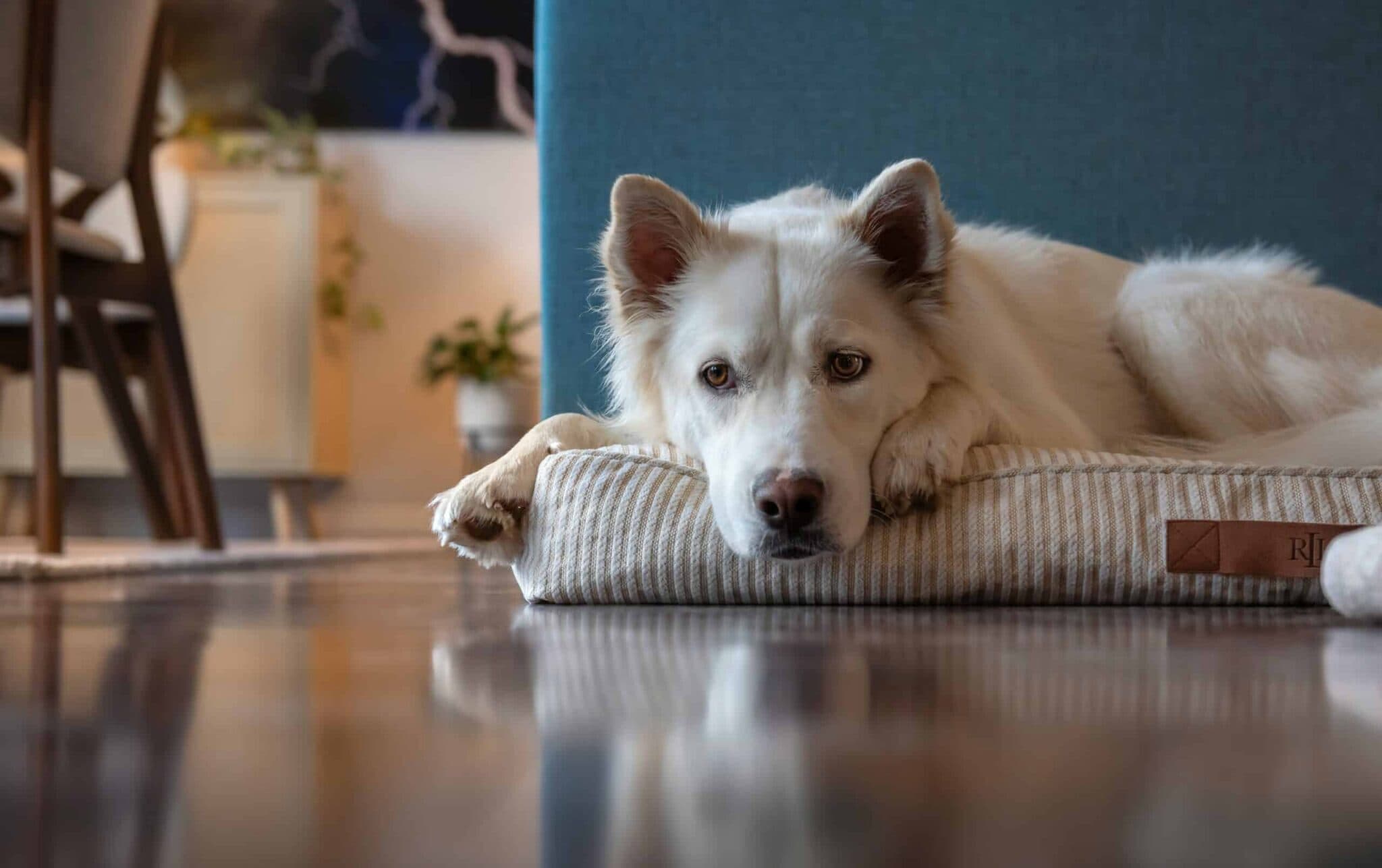
Pet depression manifests through observable symptoms including lethargy, altered eating habits, and reduced playfulness, often interconnecting with their owner's mental health status, requiring both veterinary assessment for physical causes and professional therapeutic support when human depression may be contributing to the pet's condition.
Have you noticed your furry friend seeming unusually distant or withdrawn? Just like humans, our beloved companions can experience pet depression — a real condition that affects our four-legged family members in surprisingly similar ways to us. Understanding the signs and solutions can help both you and your pet find a path back to joy.
Can pets experience depression like humans? Understanding animal mental health
Like their owners, pets are susceptible to mental health challenges such as anxiety and depression. Animals can display similar signs of depression that humans experience, including low energy, changes in mood, sleep, and eating habits, unusual elimination behaviors, and reduced playfulness. Physical ailments, weather changes, loss, loneliness, aging, and improper care can contribute to these symptoms. It’s also possible that if a pet has an owner with depression, they may mirror their owner’s symptoms. Offering your pet attention, patience, and socialization opportunities can be helpful. A visit to the veterinarian may also be warranted. If your pet seems to be responding to your own depression symptoms, you may benefit from working with a licensed therapist through ReachLink’s telehealth services.
The connection between human and pet mental health
Our emotional bond with pets goes both ways. While we are often attuned to their needs and moods, our emotional states can also deeply influence their well-being. Pets, especially dogs, are highly sensitive to the energy and emotions of their owners. When humans experience depression or stress, their pets can pick up on these cues, potentially mirroring those feelings. Conversely, offering affection, care, and comfort to a depressed pet can create a positive feedback loop. As we care for our animals, we may find that their companionship and affection help improve our own emotional state, fostering a healthier, more balanced environment for both of us. This mutual support strengthens the bond between humans and their pets, highlighting how intertwined our mental health can be.
Signs and symptoms of depression in pets
When it comes to pets, there are several signs you can look out for that may indicate your companion isn’t feeling as good as it should. Such signs of pet depression may include:
- Low energy or lethargy
- Changes in eating habits (decreased or increased appetite)
- Mood differences (irritability or withdrawal)
- Too much or insufficient sleep
- Reduced playfulness or interest in toys
- Changes in grooming habits
- Unusual elimination behaviors
Causes of depression in pets
The following can contribute to the development of depression in pets:
- Physical ailments: If a pet experiences pain or is living with an illness, this can contribute to depression.
- Depressed owners: Pets can be very perceptive. Many animal behaviorists believe that pets may become depressed if their owners are experiencing depression.
- Environmental changes: Moving to a new home, rearranging furniture, or even seasonal changes can affect a pet’s mental state.
- Loss: Much like humans grieving a death or loss, pets may do the same. If you have recently lost another pet or a family member, or if someone in the household has moved away, it may affect your companion.
- Loneliness: Many pets are social creatures and need interaction with either humans or other animals. Insufficient socialization can lead to depression.
- Age: A pet may become depressed as it ages, as it may not be able to do all the things it used to do, like playing or exploring.
- Improper care: When a pet’s needs aren’t being met, this can contribute to depression.
How can I support my pet’s mental health if it is depressed?
The following are potential solutions that may be considered if you believe your pet may be living with depression.
Pay attention to symptoms of depression in pets
Regardless of what may be causing depression in a pet, a good rule of thumb can be to pay more attention to them. Signs of depression may include changes in appetite, lethargy, withdrawal, or a lack of interest in activities they once enjoyed. It can help to remember that, as humans, we tend to have larger, more complex social circles, but your pet’s main source of social interaction is likely only you and your household.
New friends for better pet health
If you suspect that your pet is depressed because of the loss of a loved one or another pet, you may want to consider getting a new companion. However, it’s vital to ensure that your household is ready for a new pet before making such a significant decision, as it may further harm your current pet if the introduction doesn’t work out.
Socialization opportunities for animal mental health
Another great bonding experience can be taking your pet to play with other animals. For dogs, a dog park can be beneficial. For cats, supervised playdates with compatible felines might help. This can also be a good form of exercise for depressed pets.
Patience
It may also be necessary to give your pet some space so they can start to feel better. Try not to force interaction or become frustrated with behavioral changes. If they are nearing the end of their life or they have lost a friend, it may take quite a while for them to feel better. Try to be kind to them and show them you love them, but don’t get upset if they don’t act the same as they used to.