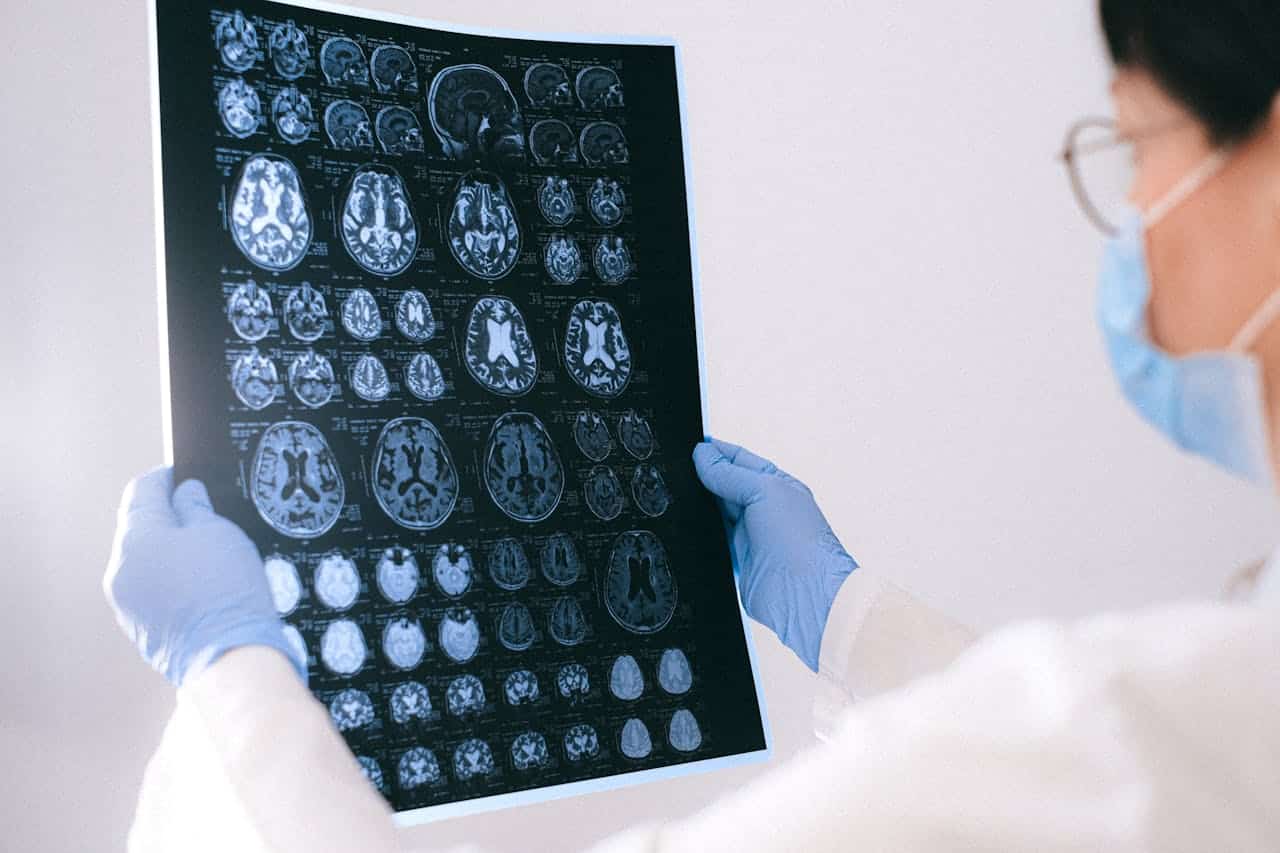
Inflammation and depression research explains why 30% of people don't respond to standard antidepressants, as chronic immune activation alters brain chemistry and requires comprehensive treatment combining anti-inflammatory strategies with evidence-based therapy for optimal recovery outcomes.
Most depression treatments fail because they're targeting the wrong problem entirely. While doctors focus on brain chemistry, groundbreaking research reveals the hidden connection between inflammation and depression - explaining why 30% of people never find relief with traditional antidepressants.
The inflammation-depression connection: what the research actually shows
For decades, depression was understood primarily as a chemical imbalance in the brain, a problem of too little serotonin or dopamine. Treatments followed this logic: boost those neurotransmitters and symptoms should improve. But for millions of people, that approach simply hasn’t worked. Now, a growing body of research points to a surprising culprit that may explain why: inflammation.
This shift represents one of the most significant developments in mental health research in recent years. The inflammatory model of depression doesn’t replace what we knew before. It adds a crucial piece to a complex puzzle, one that could change how we understand and treat depression moving forward.
What is the connection between inflammation and depression?
To understand this connection, it helps to know what inflammation actually is. When you cut your finger or catch a cold, your immune system springs into action. It sends specialized cells and proteins called cytokines to the affected area, creating redness, swelling, and heat. This acute inflammation is protective. It fights off invaders and helps your body heal.
But sometimes this system doesn’t shut off properly. Chronic stress, poor sleep, certain diets, and other factors can keep your immune system in a constant state of low-level activation. This chronic inflammation doesn’t cause obvious symptoms like a swollen ankle would. Instead, it quietly affects multiple body systems, including your brain.
Researchers first noticed something interesting in the 1980s and 1990s. Patients receiving a treatment called interferon-alpha for hepatitis C or certain cancers frequently developed depression as a side effect. Interferon-alpha is a cytokine, one of those immune signaling proteins. This observation sparked what became known as the cytokine hypothesis of depression: the idea that inflammatory molecules could directly influence mood and behavior.
Since then, hundreds of studies have found that people experiencing depression often have elevated levels of inflammatory markers in their blood. These include C-reactive protein and cytokines like interleukin-6 and tumor necrosis factor-alpha. The relationship works both ways. Depression can increase inflammation, and inflammation can trigger or worsen depressive symptoms.
This research matters urgently because approximately 30% of people with depression don’t respond adequately to traditional antidepressants. This treatment-resistant depression has long puzzled clinicians and frustrated patients who try medication after medication without relief. Emerging evidence suggests that many of these individuals may have higher levels of inflammation, which standard antidepressants weren’t designed to address.
Understanding the inflammation connection opens doors to more personalized approaches. Rather than treating all depression the same way, clinicians may eventually be able to identify who has inflammation-driven symptoms and tailor treatments accordingly. For people who have struggled to find relief, this research offers a new explanation and new possibilities.
The science: how inflammation rewires brain chemistry and mood
Understanding what happens inside your brain when inflammation takes hold helps explain why traditional antidepressants don’t work for everyone. The connection between your immune system and your mood involves multiple biological pathways, each capable of disrupting the delicate chemistry that keeps you feeling like yourself.
Cytokines and the blood-brain barrier
Your brain has a protective shield called the blood-brain barrier, designed to keep harmful substances out. For years, scientists assumed this barrier also blocked immune signals. They were wrong.
Pro-inflammatory cytokines, the messenger molecules your immune system releases during inflammation, have several ways to reach your brain. Some cytokines like IL-6 and TNF-alpha can cross directly through vulnerable spots in the barrier. Others bind to receptors on blood vessel walls and trigger secondary signals inside the brain. Still others travel along the vagus nerve, creating a direct communication highway between your body and brain.
Once these inflammatory signals reach the brain, they activate microglia, the brain’s resident immune cells. Normally, microglia help maintain healthy neural connections. In an inflammatory state, they become overactive and start pruning synapses aggressively. This impairs neuroplasticity, your brain’s ability to form new connections and adapt to experiences. The result is difficulty concentrating, slower thinking, and the cognitive fog many people with depression describe.
The tryptophan steal: why serotonin production falls
Here’s where inflammation directly hijacks your mood chemistry. Tryptophan is an amino acid your body uses to make serotonin, the neurotransmitter most associated with feelings of wellbeing. But tryptophan has another use: your immune system needs it to fight infections.
When inflammation is high, your body activates an enzyme called IDO (indoleamine 2,3-dioxygenase) that diverts tryptophan away from serotonin production. Instead, tryptophan gets converted into kynurenine, a compound that can become neurotoxic in the brain. So inflammation doesn’t just reduce serotonin; it actively creates substances that damage neurons.
This “tryptophan steal” explains why simply boosting serotonin with medication doesn’t help everyone. If inflammation keeps diverting the raw materials, the brain can’t build more serotonin regardless of the effort.
The gut-brain-inflammation axis
Your digestive system plays a surprising role in brain inflammation. The gut lining, when healthy, acts as a selective barrier. Chronic stress, poor diet, or illness can damage this lining, creating what researchers call intestinal permeability, sometimes known as “leaky gut.”
When the gut barrier weakens, bacterial components slip into the bloodstream and trigger body-wide inflammatory responses. These signals eventually reach the brain, contributing to mood disorders through the pathways described above.
The relationship works both ways. Depression itself increases inflammatory markers, which then worsen depressive symptoms. Depressive states activate microglia and increase neuroinflammation, which further disrupts mood regulation. This bidirectional relationship creates a self-perpetuating loop: inflammation triggers depression, depression amplifies inflammation, and breaking free requires addressing both sides of the equation.
Is your depression inflammatory? A clinical assessment framework
Not everyone with depression has elevated inflammation, and not everyone with inflammation develops depression. Understanding your personal risk profile can help you have more productive conversations with healthcare providers and explore whether this angle deserves attention in your treatment plan.
Risk factor checklist
Certain life circumstances and health conditions increase the likelihood that inflammation plays a role in depression. Consider whether any of these apply to you:
- Autoimmune conditions like rheumatoid arthritis, lupus, multiple sclerosis, or psoriasis
- Chronic illnesses including diabetes, heart disease, or chronic obstructive pulmonary disease
- Obesity with a BMI over 30, which creates ongoing low-grade inflammation
- Metabolic syndrome, a cluster of conditions involving high blood pressure, elevated blood sugar, and abnormal cholesterol levels
- History of severe infections that required hospitalization or extended recovery
- Childhood trauma or adverse childhood experiences, which can program the immune system toward heightened inflammatory responses
- Treatment-resistant depression, meaning you’ve tried multiple antidepressants without adequate relief
- Comorbid conditions like fibromyalgia, irritable bowel syndrome, or chronic fatigue syndrome
The more items on this list that resonate with your experience, the more reasonable it becomes to consider inflammation as a contributing factor. A history of traumatic stress deserves particular attention, as research increasingly shows trauma creates lasting changes in immune function.
Symptom pattern recognition
Inflammatory depression often looks different from other forms of depression. The symptom profile tends to emphasize physical and cognitive complaints over emotional ones. Watch for these patterns:
- Profound fatigue that seems out of proportion to your mood state, where you feel physically depleted even on days when your emotional outlook improves
- Psychomotor slowing, meaning your movements, speech, and reaction times feel sluggish
- Increased sleep need rather than insomnia, sometimes sleeping ten or more hours and still waking unrefreshed
- Anhedonia more prominent than sadness, where you lose interest in activities without necessarily feeling tearful or hopeless
- Cognitive fog involving concentration problems, memory lapses, and difficulty finding words
This pattern differs from depression dominated by rumination, guilt, or anxiety. If your depression feels more like your body is shutting down than your mind spiraling into dark thoughts, inflammatory factors may be worth investigating.
When inflammatory testing makes sense
Blood tests measuring inflammatory markers like C-reactive protein or certain cytokines aren’t routine in depression treatment, and for good reason. These tests have limitations and don’t directly change most treatment decisions.
Testing makes the most sense when you have multiple risk factors from the checklist above, your symptom pattern matches the inflammatory profile, and you haven’t responded well to standard antidepressant treatments. In these cases, elevated inflammatory markers might guide your provider toward specific treatment approaches. This framework isn’t meant for self-diagnosis. Use it to organize your observations before appointments. Telling your doctor “I have three autoimmune conditions, my fatigue is worse than my sadness, and I’ve tried four antidepressants without success” gives them valuable information to consider.
How to get your inflammation levels tested
If you’re curious whether inflammation might be playing a role in your symptoms, here’s what you need to know about requesting, interpreting, and paying for these tests.
Which markers to request and why
The most accessible starting point is high-sensitivity C-reactive protein, commonly called hs-CRP. This blood test measures a protein your liver produces in response to inflammation throughout your body. Unlike the standard CRP test used for detecting infections, the high-sensitivity version can detect the subtle, chronic inflammation that depression research focuses on.
If you’re working with a specialist who’s open to deeper investigation, you might also ask about interleukin-6 (IL-6) and tumor necrosis factor-alpha (TNF-alpha). These are pro-inflammatory cytokines, signaling molecules that directly influence brain function. They’re harder to access through routine care but provide a more complete picture of your inflammatory status.
When talking to your doctor, frame your request around wanting to understand potential contributors to your mental health symptoms. Many physicians are becoming more familiar with this research and may be willing to order these tests as part of a comprehensive evaluation.
Understanding your results
Standard lab reports flag hs-CRP results based on cardiovascular risk, where anything above 3 mg/L is considered high risk for heart disease. Depression research uses different thresholds. Studies examining inflammation and depression typically find associations when hs-CRP levels exceed 3 mg/L, sometimes even at levels above 1 mg/L. Your lab report might say your results are “normal” while still falling into ranges that research connects to depressive symptoms. This is why understanding the context matters.
A single test also tells you less than you might hope. Inflammation fluctuates based on recent illness, sleep quality, stress, and dozens of other factors. Tracking your levels over time reveals patterns that isolated snapshots miss.
Cost and insurance realities
Basic hs-CRP testing is relatively affordable. Without insurance, expect to pay between $15 and $50 at most labs. Many insurance plans cover it when ordered with appropriate diagnostic codes related to cardiovascular screening or inflammatory conditions.
Cytokine panels measuring IL-6 and TNF-alpha are a different story. These specialized tests can run $200 to $500 and often aren’t covered by insurance for mental health purposes. If your doctor believes these tests are warranted, ask about pre-authorization and which diagnostic codes might support coverage. Sometimes framing the request around ruling out autoimmune conditions or chronic inflammatory states improves your chances of approval. Keep records of your results regardless of what you test, as this information becomes valuable if you later work with providers exploring inflammation-targeted approaches.
Evidence-based treatment approaches for inflammatory depression
Understanding the role of inflammation in depression has opened new doors for treatment, especially for people who haven’t found relief with standard approaches. While researchers are still learning how to treat inflammation-driven depression most effectively, several evidence-based options show promise. All medication decisions should be made with a qualified healthcare provider. The information here is educational and not a recommendation for any specific treatment.
Antidepressants with anti-inflammatory properties
Not all antidepressants work the same way, and some appear to have anti-inflammatory effects beyond their impact on brain chemistry. Among SSRIs (selective serotonin reuptake inhibitors), fluoxetine and sertraline have shown modest anti-inflammatory properties in research studies. These medications may help reduce certain inflammatory markers while also addressing neurotransmitter imbalances.